Skip the brochure. Bolobo, DRC, is raw river life. Pack for humidity, eat moambe chicken, and let the Congo River set your pace.
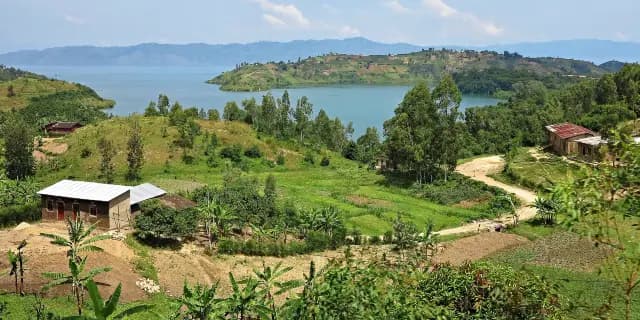
The humidity in Bolobo doesn’t ask for permission. It presses against your skin the moment you step off the riverboat, thick with the scent of wet earth and diesel fumes. This isn’t a destination you find on a glossy magazine spread. It is a town of roughly 31,000 people perched on the banks of the Congo River in the Mai-Ndombe Province of the Democratic Republic of the Congo. If you are here for air conditioning and concierge service, you are in the wrong hemisphere. If you are here because you are tired of curated experiences and want to see how life moves when the infrastructure thins out, you have arrived.
Summer in the Northern Hemisphere means winter in the Southern Congo. The calendar lies to you. The temperature remains high. This is the dry season. The rains have retreated, leaving the red dust to settle and the river levels to drop. This is the window where the mud hardens enough for movement, and the mosquitoes—while still present—are slightly less aggressive. You are not escaping the heat. You are trading the suffocating wetness of the rainy months for a dusty, intense dry heat.
The River Is The Road
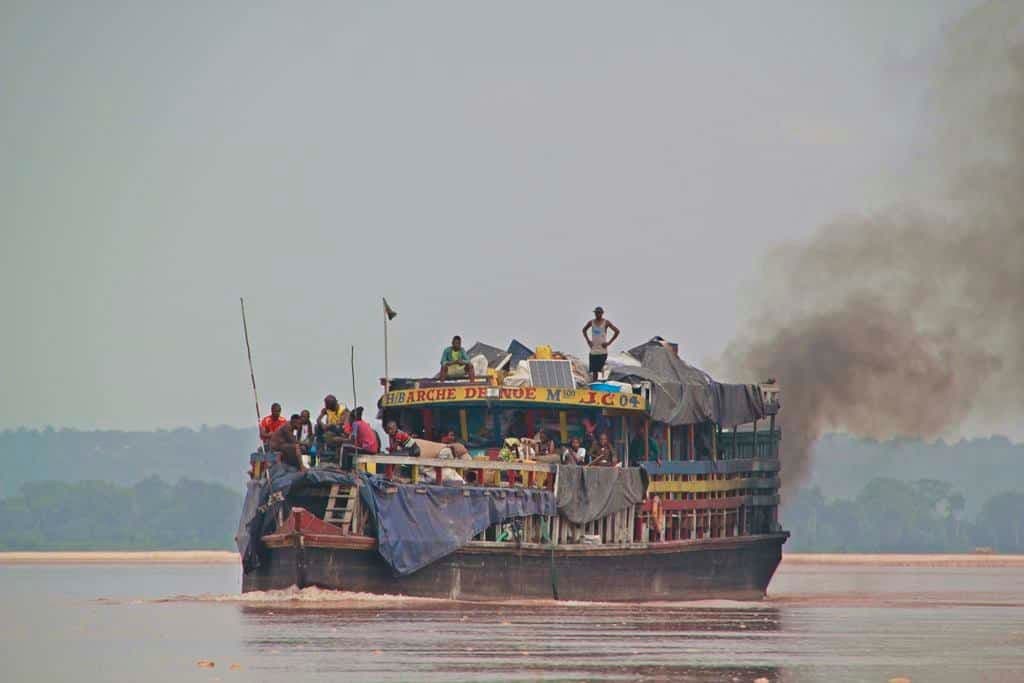
Forget highways. In Bolobo, the Congo River is the artery. It is wide, brown, and indifferent to your schedule. The town exists because of this waterway, and your arrival and departure will likely be dictated by it. There are no named railway lines serving Bolobo in any confirmed database. There is no scheduled commercial rail service. The transport reality is riverine.
You arrive by boat. The vessels are functional, often crowded, carrying sacks of cassava, livestock, and families returning from Kinshasa or Kisangani. The ride is a sensory assault of engine noise, shouting in Lingala, and the slap of water against the hull. When you dock, you are greeted by the administrative center of the Bolobo Territory. It is a modest hub, not a tourist gateway. The streets are unpaved, turning to powder underfoot. You walk. You ride in the back of a pickup truck if you are lucky. The absence of paved roads defines the experience. It forces a slow pace. You cannot rush through Bolobo. The geography forbids it.
Eat Like A Local
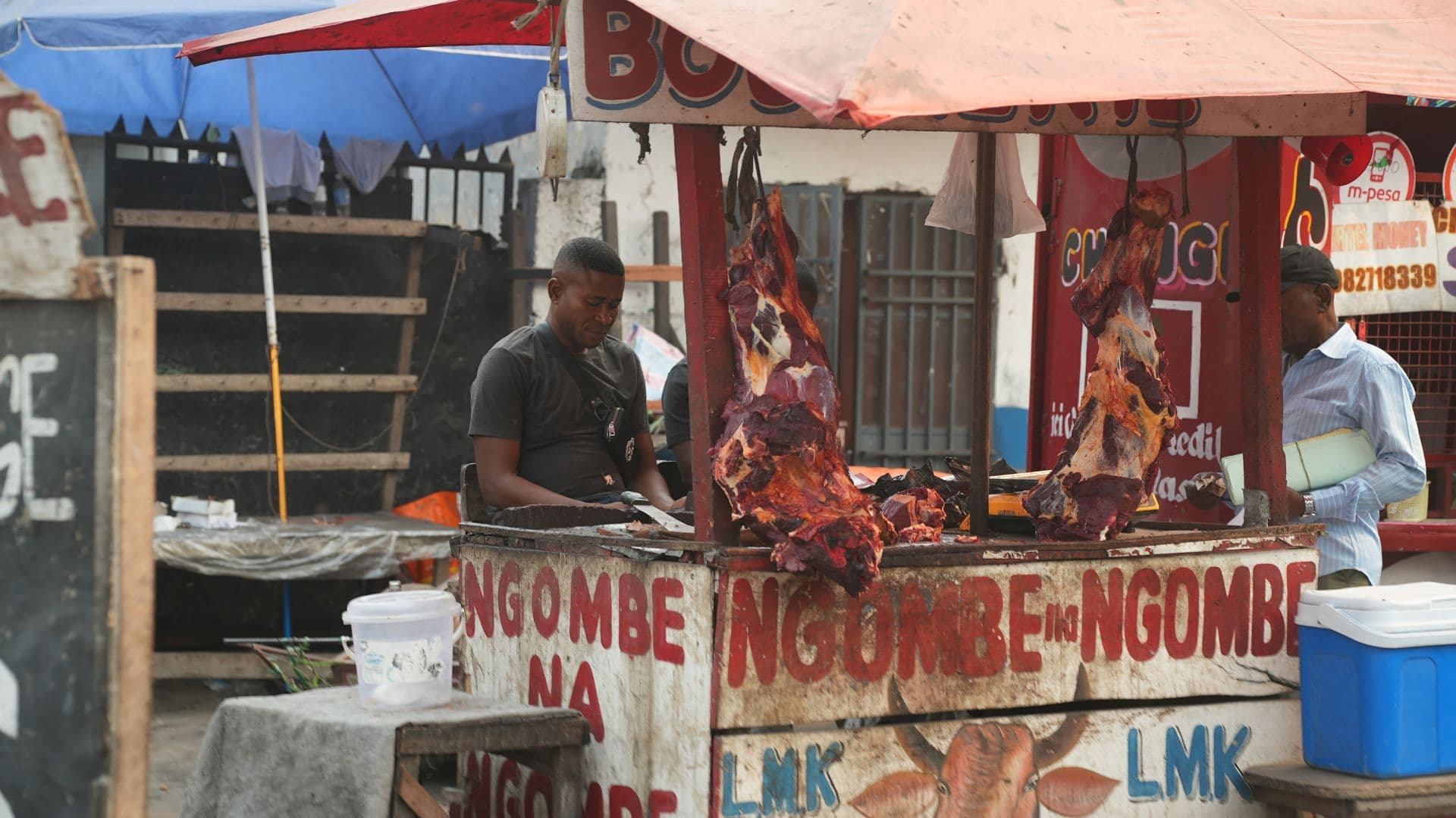
There are no Michelin stars here. There are no fusion restaurants. There is food that sustains you, cooked over open fires or in communal pots, and it is some of the most honest eating you will experience. The cuisine is Congolese, rooted in staples that have fed this region for centuries.
Moambe chicken is the king. It is chicken slow-cooked in palm nut sauce, rich and yellow, served over rice or fufu. The flavor is deep, fatty, and complex. The taste is bold. It is designed to fuel labor. You will find it in local eateries, often in plastic bowls, eaten with your hands or a spoon. Do not expect tablecloths. Expect flavor.
Fufu is the staple side. It is a dough-like ball made from boiled and pounded starchy plants, usually cassava or plantains. It is bland on its own, designed to scoop up the sauces. Then there is chikwangue, a fermented cassava cake wrapped in banana leaves. It is chewy, slightly sour, and portable. It is the perfect snack for a long boat ride. You buy it from women in the market area, wrapped in leaves, for a few dollars. It is cheap, filling, and authentic. Do not look for Western options. They do not exist. Adapt your palate or go hungry.
Where To Stay
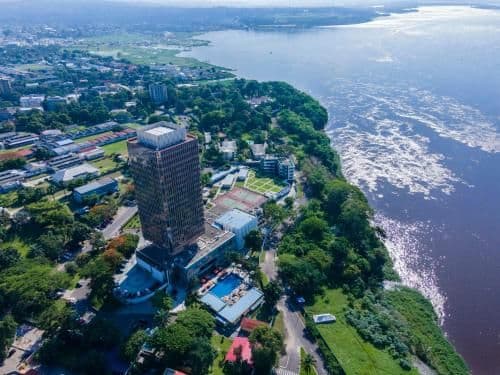
Luxury is a foreign concept in Bolobo. You are not booking a resort. You are finding a room. The options are limited to local guesthouses and small lodgings near the town center or the riverbank. Prices are low, but standards are basic. Expect a fan instead of AC. Expect a bucket instead of a shower if the water pressure fails. Security is your primary concern. Choose a place with a lockable door and a reputation for safety.
Since no specific hotel names are confirmed in public directories, look for the "pensions" or guesthouses clustered near the main market or the dock. Ask locals where they stay. Negotiate the price. You might pay anywhere from $10 to $30 USD per night, depending on the season and your bargaining skills. Bring your own mosquito net. The bed linen may be clean, but it is thin. Sleep with the window open if the mosquitoes are tolerable, or close it and suffer the heat. There is no perfect option. There is only the one that keeps you safe and dry.
The Grind And The Gaze
Bolobo is not a museum. It is a living, breathing territory. The population is young. The streets are filled with the sound of conversation, music from radio stations, and the occasional roar of a generator. You are an outsider. You will be stared at. This is not hostility; it is curiosity. You are a novelty. Smile. Learn a few words of Lingala. "Mbote" (hello) goes a long way. Respect the elders. Do not photograph people without asking. They are not props for your Instagram feed. They are people trying to survive in a place where resources are scarce.
The cultural backdrop is defined by the river and the land. Fishing is a primary livelihood. You will see nets drying on the banks, fish being cleaned on the sand. The connection to the Congo River is spiritual and economic. It provides food, transport, and life. Treat it with respect. Do not litter. Do not pollute. This is not a playground. It is someone’s home.
When To Go And Who This Is For
The best time to visit Bolobo is during the dry seasons: June to September and December to February. June to September is the peak dry period, making river travel and overland movement easier. The rains from March to May and October to November can make roads impassable and river levels unpredictable. Since there are no major holidays in the next six months, you will not face crowds. You will face solitude.
This trip is not for families with young children. It is not for luxury seekers. It is for solo travelers, slow travelers, and those who want to strip away the comfort of modern tourism. It is for people who want to see the Democratic Republic of the Congo beyond its headlines. Stay for a few days. Long enough to adjust to the rhythm, to eat the food, to talk to the people. Short enough to leave before the novelty wears off and the discomfort sets in.
FAQ
How do I get to Bolobo? There are no commercial flights directly to Bolobo. You typically fly to a larger hub like Matadi or Kisangani, then take a riverboat or arrange a charter. Road travel from Kinshasa is possible but slow and difficult due to poor infrastructure. River transport is the most reliable method.
What money should I bring? The local currency is the Congolese Franc (CDF). US Dollars are widely accepted for larger transactions, but you need small bills for daily purchases. ATMs are unreliable or non-existent in Bolobo. Bring enough cash for your entire stay.
Is it safe? Safety in the DRC requires caution. Bolobo is relatively quiet compared to the eastern conflict zones, but crime can occur. Avoid walking alone at night. Keep a low profile. Do not flash expensive electronics. Stay aware of your surroundings. Health risks include malaria; take prophylaxis and use repellent.