Skip the Carthage crowds. Ben Arous offers authentic Roman ruins, a living saint’s shrine, and direct metro access from Tunis.
The Uthina Advantage
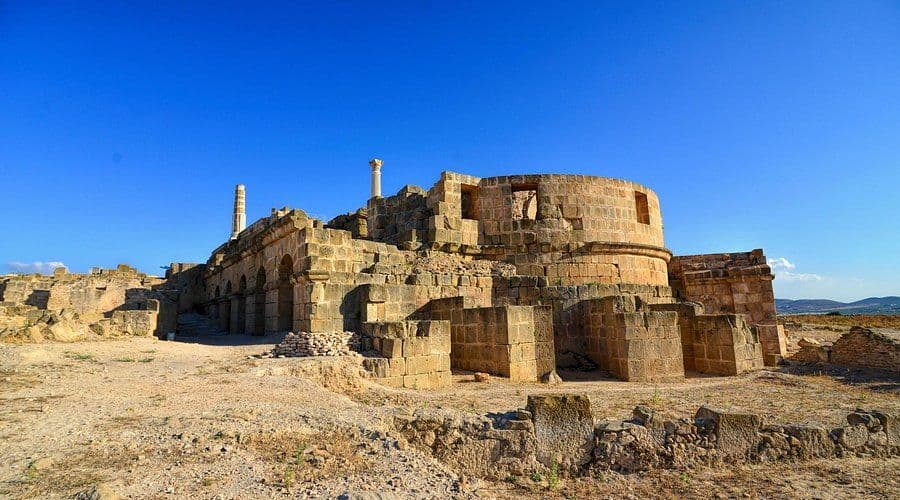
You can see the Roman world without the tourist crush of Carthage. In the Mornag area of Ben Arous, the Site Archeologique Uthina (also known as Oudhna) sits in the quiet, offering a stark, sun-bleached look at imperial engineering. It is a lesser-known site, which means you are often alone with the crumbling stone. The architecture here is raw. You are looking at the bones of a provincial town, not a curated museum. The ruins stand against the modern sprawl of the suburb, a reminder that this is the Grand Tunis agglomeration, a place where 2,000 years of history layer directly under the asphalt. If you are into architecture, this is the honest version. No velvet ropes. No audio guides shouting over the wind. Just the geometry of the past, weathered by the North African sun.
Sidi Ben Arous: The Living Shrine
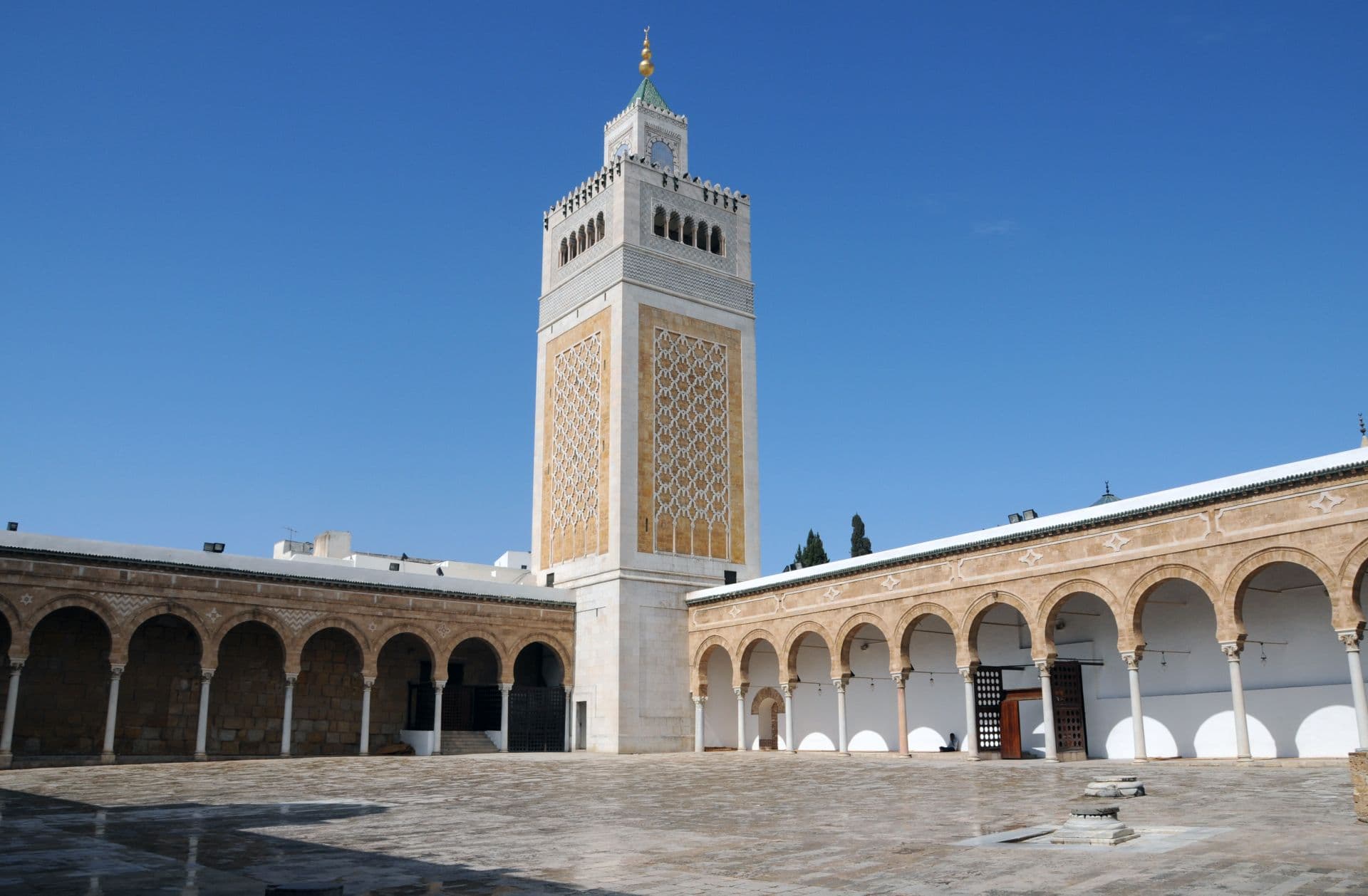
East Ben Arous takes its name from Sidi Ben Arous, a Muslim saint who died in 1444. His shrine functions as a bustling hub of activity, legendary for its association with curing female infertility. The architecture of the shrine reflects this function: a focal point for community and faith. You will see the intricate tile work and the structural elements typical of Sufi shrines in the region. The past here is actively used rather than preserved in glass. The energy is palpable, a mix of prayer, commerce, and daily life. For an architecture tour, it is essential. It shows you how sacred spaces in Tunisia are integrated into the urban fabric, serving as community centers as much as places of worship. The contrast between the ornate shrine and the surrounding residential blocks is striking. It is a snapshot of how faith shapes the built environment in a modern Tunisian suburb.
Getting There: The Metro Line
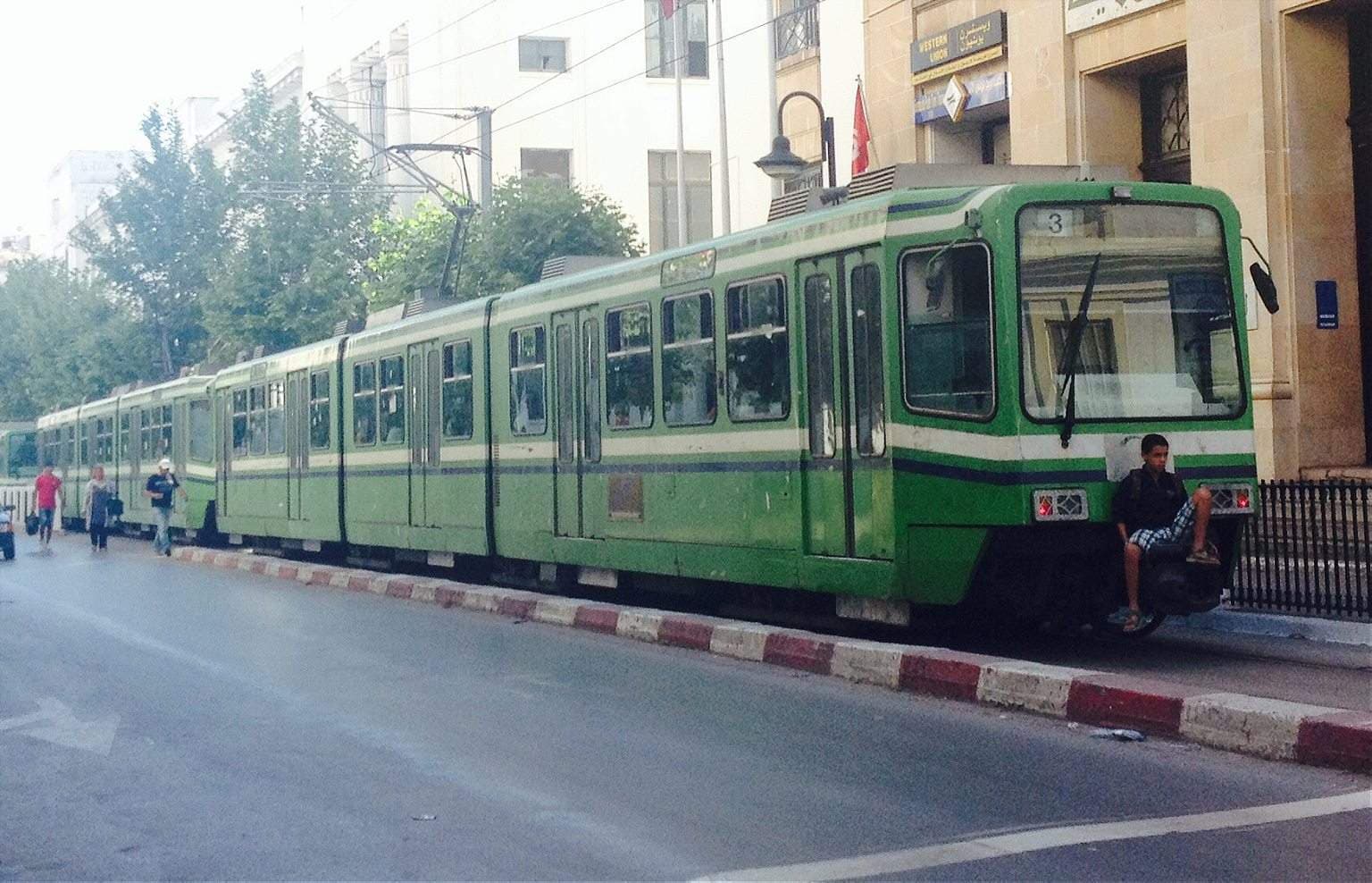
You do not need a car to explore Ben Arous. The Ligne 1 du métro léger de Tunis (Tunis light metro Line 1) serves the city, with the Ben Arous station acting as the terminus of the line. This is a critical detail for planning. The metro is efficient, cheap, and connects you directly to the heart of the suburb. You can hop off, explore the Uthina ruins or the Sidi Ben Arous shrine, and catch the train back to Tunis without haggling with taxi drivers or worrying about parking. The city also has a bus station, offering further connections to other parts of the governorate. The proximity to Tunis–Carthage International Airport makes this an easy add-on to a trip. Ben Arous is about 10 km south of Tunis, a short distance that is easily covered by public transit. The infrastructure here is modern and functional, a stark contrast to the ancient ruins you will be visiting. It is the perfect blend of old and new, accessible and authentic.
Practical Planning & Costs
Tunisian Dinar (TND) is the local currency. While specific fares for the metro were not confirmed in my research, public transport in the Grand Tunis agglomeration is generally very affordable, often costing less than a dollar for a ride. Budget for a few dinars for entry to archaeological sites, though prices can vary. Bring cash, as small vendors and some smaller sites may not accept cards. The best time to visit is during the day, when the light is good for photography and the heat is manageable. In autumn, the weather is pleasant, making it ideal for walking the ruins. Wear comfortable shoes; the ground at Uthina can be uneven. There is no need to book ahead for the ruins or the shrine, as they are open to the public. The metro runs frequently, so you can plan a spontaneous half-day trip. This is a destination that you can navigate independently, using the metro and your own curiosity. The key is to arrive with an open mind and a camera.
When to Go & Who It’s For
Ben Arous is best visited in the shoulder seasons, spring and autumn, when the temperatures are mild. Summer can be hot, making the ruins less comfortable to explore. Winter is cool but dry, offering good light for photography. The next major holidays include New Year’s Day (2027-01-01) and Revolution and Youth Day (2027-01-14), which may see increased local activity. Eid al-Fitr (estimated 2027-03-09) and Independence Day (2027-03-20) are also significant, with potential for crowds and closed shops. For architecture enthusiasts, this is a niche destination. It appeals to travelers who want to see the real Tunisia, the suburbs, the daily life, and the history that exists outside of glass cases. It is perfect for a day trip from Tunis, or for a slow traveler who wants to explore the Grand Tunis agglomeration at their own pace. Solo travelers will find it easy to navigate, with the metro providing a safe and efficient way to move around. Families can enjoy the open spaces of the ruins, but should be mindful of the uneven terrain.
FAQ
Is Ben Arous safe for solo travelers? Yes, Ben Arous is part of the Grand Tunis agglomeration and is generally safe for solo travelers. Stick to well-lit areas at night and use public transport or reputable taxis. The metro is a safe and efficient way to move around.
Do I need a visa to visit Tunisia? Visa requirements depend on your nationality. Many travelers from Europe, North America, and Asia do not need a visa for short stays. Check the latest requirements with your local Tunisian embassy or consulate before you travel.
How far is Ben Arous from Tunis–Carthage International Airport? Ben Arous is about 10 km south of Tunis, and the airport is located in the nearby Carthage area. The distance is short, and you can reach Ben Arous easily by taxi or public transport from the airport.