Skip the resorts. Barrouallie, Saint Vincent’s first European settlement, offers raw history, boatyard smells, and honest meals.
The First Colony
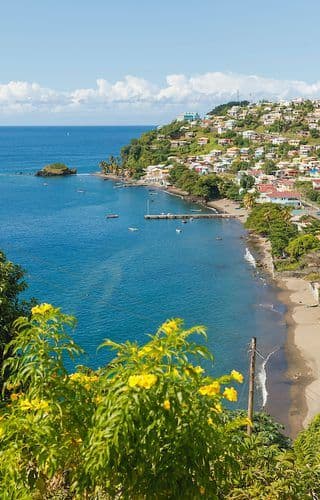
Stop pretending you want a view of the ocean from a glass-walled penthouse. You don’t. You want to stand where the dirt is still wet from the 1719 French arrival. Barrouallie isn’t a resort town; it’s a town that was the capital before Kingstown took over. It sits on the leeward coast, in Saint Patrick Parish, an administrative slice of land covering 37 square kilometers with barely five thousand souls. The population here hovers around a thousand people. That’s it. You aren’t going to bump into a crowd trying to photograph their brunch. You’re going to hear the wind in the palms and the creak of wood against water. This is the quietest corner of the main island, and that silence is the point.
The town was established by French settlers who carved out the first European colony on the island. It has since faded into a small fishing village, which is exactly why it works. The maritime culture here isn’t a performance for tourists; it’s the daily grind. Traditional boatbuilding still happens in the yards. You can walk past the docks and see the hulls being shaped, the resin smell thick enough to taste. There’s no "hidden gem" marketing here. There’s just the work. If you’re looking for a romantic getaway that feels like you’ve stumbled into a documentary rather than a brochure, this is the place.
Where to Stay
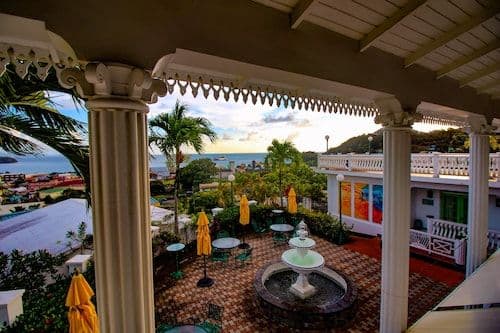
You won’t find a five-star chain in Barrouallie. You’re not coming here for a concierge service; you’re coming for the proximity to the water and the absence of noise. Accommodations in this part of Saint Patrick Parish tend to be smaller, family-run, or boutique guesthouses that prioritize space over amenities. Prices typically range from $80 to $150 USD per night for a clean, private room with a balcony overlooking the bay or the tree line. The differentiator isn’t the pool size; it’s the view of the fishing boats coming in at dusk.
Stay in the immediate town center if you want to walk to dinner without a car. The settlements nearby, like Westwood to the north or Spring Village just south of Rose Hall, offer slightly more seclusion if you need to disappear completely. These areas are sparse, so book ahead if you want a specific date, but don’t expect a rigid check-in time. The pace here is slower than the mainland. If you need Wi-Fi that doesn’t buffer, you might want to check the signal strength at the property before booking. But if you’re here to disconnect, the lack of infrastructure is the feature, not the bug.
Eat Like a Local
Forget the tasting menus. Go to the Totetoe Food Court. It’s the anchor of local dining in Barrouallie, serving up the culinary heritage of Saint Vincent and the Grenadines without the pretension. The menu leans heavily on freshly caught seafood. You’ll find jerk chicken, spicy and smoky, reflecting the island’s diverse influences. The portions are generous, and the prices are reasonable for the quality. It’s not a place for delicate palates. It’s where the locals eat.
The food scene in Barrouallie is compact. A few restaurants dot the area, many listed on standard travel platforms, but the food court remains the most consistent bet for authentic flavors. Expect to spend around $15 to $25 USD for a solid meal. The seafood is usually day-boat catch, meaning it’s as fresh as it gets in the Caribbean. Don’t ask for the chef to come out. Just eat. The spice level is adjustable, but don’t shy away from the heat if you want to feel something.
Getting Around
There is no train. There is no subway. There are no stations. Saint Vincent and the Grenadines does not have a passenger rail network. You will get around by road. The primary connection is to Kingstown, the capital, which is a drive eastward along the coastal road. Exact journey times vary depending on traffic and the condition of the roads, but assume it takes a significant chunk of your afternoon if you’re doing a day trip.
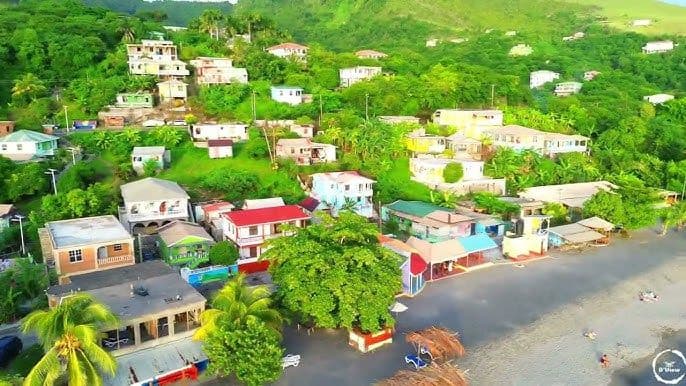
If you’re staying in Barrouallie, you likely need a rental car. Public bus connections to the leeward coast are infrequent and indirect. Renting a vehicle gives you the freedom to explore the parish without waiting for a schedule that might not align with your hunger. The roads are winding, especially as you head inland toward Spring Village, which sits 2.5 miles northeast of the town center. Drive slowly. The curves are tight, and the scenery is better if you’re not gripping the steering wheel in panic.
When to Go
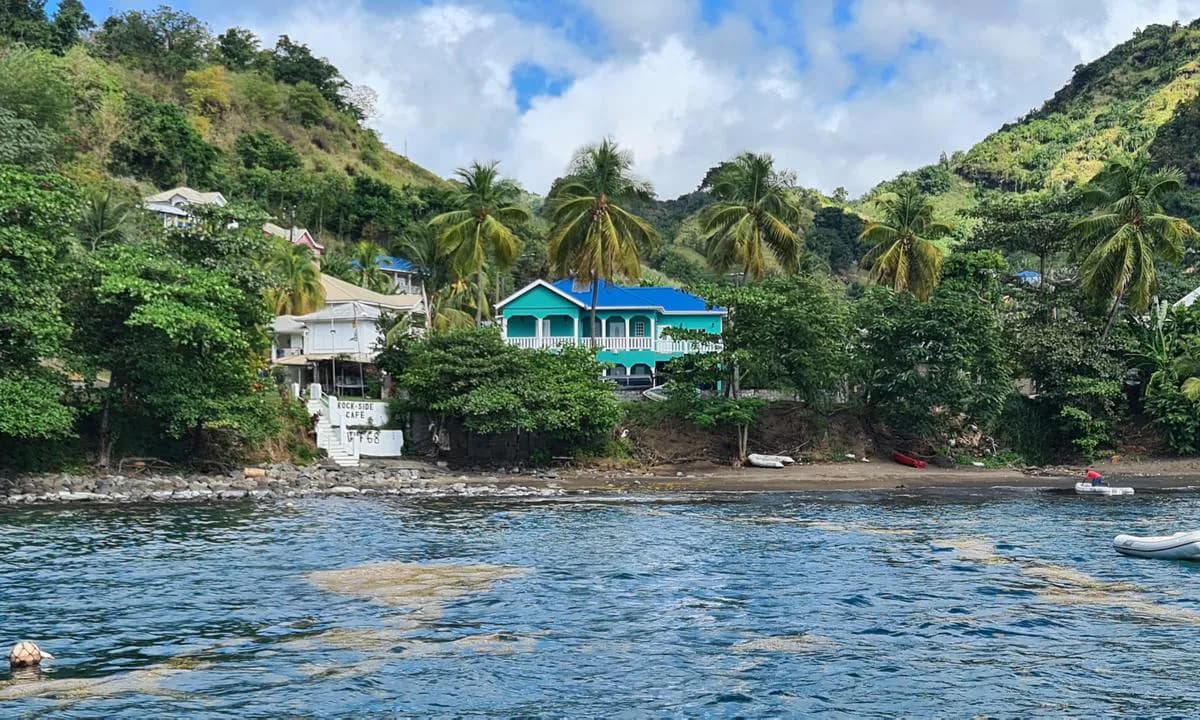
The best time to visit Barrouallie is during the dry season, typically from January to April. This window avoids the peak of the hurricane season and ensures the roads are passable without mudslides. There are no major holidays recorded in the next six months that would spike prices or crowd the town, which keeps the atmosphere consistent. Summer months can be hotter and more humid, but the trade winds keep it bearable.
This isn’t a destination for families with toddlers who need playgrounds. It’s for couples, or solo travelers who enjoy reading a book by the water. Two to three days is plenty. You’ll run out of things to "do" quickly because the activity is the presence. Spend a morning walking the docks, an afternoon eating at the food court, and an evening watching the sky change color over the bay. Leave before you start feeling bored. The boredom is the test. If you can sit with it, you’ve understood the place.
FAQ
Do I need a visa to enter Saint Vincent and the Grenadines? Most Western travelers, including US, UK, and EU citizens, do not need a visa for short stays up to 90 days. You’ll need a valid passport and proof of onward travel. Always check the latest entry requirements before you fly, as policies can shift.
Is Barrouallie safe for tourists? Yes. It’s a small community with a low crime rate. Standard precautions apply: don’t leave valuables unattended on the beach, and lock your rental car. The biggest risk is getting lost on unmarked rural roads, so stick to the main routes if you’re unfamiliar with the terrain.
What currency is used? The Eastern Caribbean Dollar (XCD) is the local currency, pegged to the US dollar. Most places, including the food court, accept US dollars, but you may get change in XCD. ATMs are scarce outside Kingstown, so carry cash if you’re planning to stay several days.