Skip the crowds in Kutaisi. Baghdati offers river views, riverbank walks, and a slower pace in western Georgia’s Imereti region.
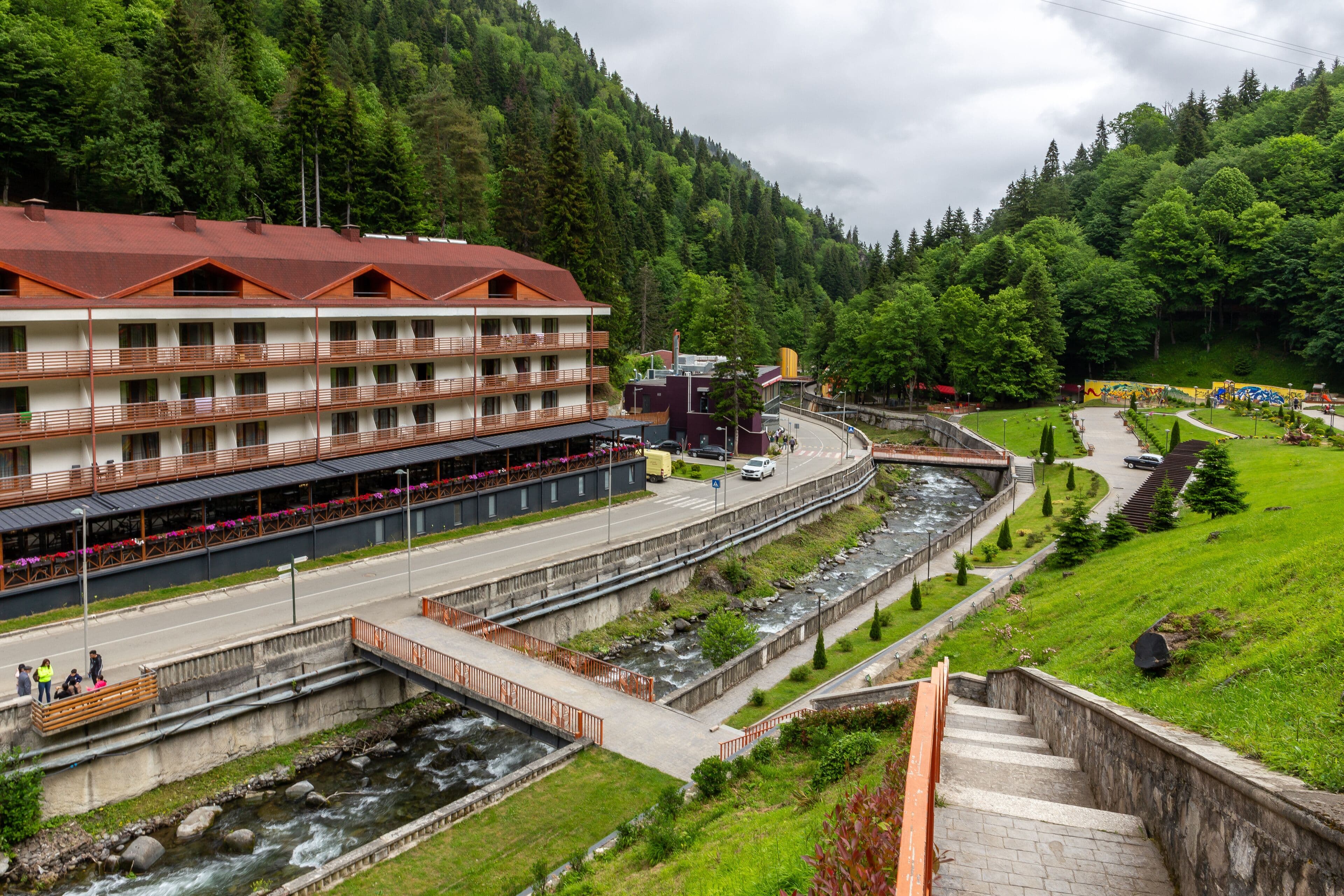
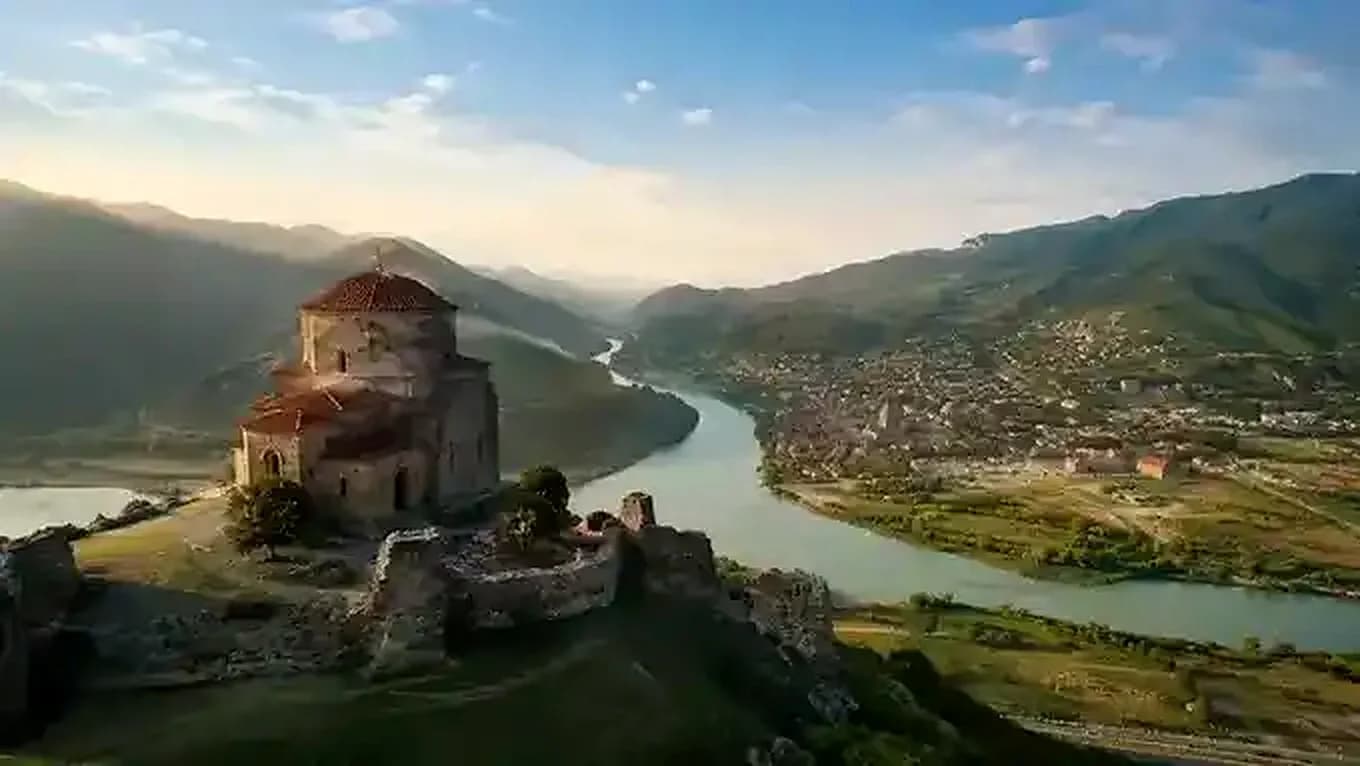
The Khanistskali River does not rush. It meanders through the Imereti region with the kind of leisurely indifference that makes you question your own schedule. Baghdati, the administrative center of its namesake municipality, sits on these banks at a modest 200 meters elevation. There are no towering skyscrapers here, no frantic metro lines, and certainly no "must-see" checklists that will ruin your morning. Instead, there is a town that exists primarily to be a place where people live, work, and occasionally look at the water.
If you are looking for the polished, Instagram-ready facade of Tbilisi or the bustling port energy of Batumi, you have driven in the wrong direction. You are in western Georgia, specifically in the Baghdati Municipality, about 25 kilometers south-southeast of Kutaisi. This is a place for travelers who have decided that the vacation should be about breathing, not checking boxes. The air here is thinner on tourists and thicker on the scent of damp earth and river moss. It is the kind of place where the main event is realizing you have nowhere to be.
The Town and the River
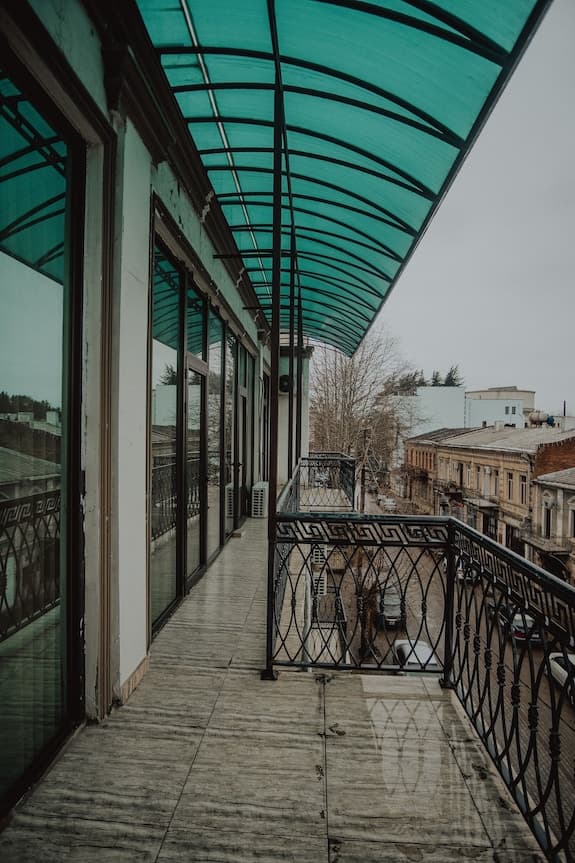
Baghdati Town is a place you choose to stop. The town’s identity revolves around the Khanistskali River, which serves as the central spine dividing residential areas from the open, green spaces that define the municipality’s character. At 200 meters above sea level, the elevation is low enough to avoid the chill of the high Caucasus peaks but high enough to keep the summer heat from becoming oppressive.
The town center is functional rather than ornamental. You will find the Baghdati Municipal Assembly, a building that houses the 27-member representative body responsible for local governance. Its presence anchors the town as a living administrative hub, distinct from a ghost town or a purely seasonal resort. The streets are paved, the signage is clear, and the pace is dictated by local routines rather than tourist flows.
Walking along the riverbank is the primary activity. There are no grand promenades lined with expensive cafes, but there are paths. The light here is soft, filtered through the trees that line the Khanistskali. It is a place for long, aimless walks where the only goal is to see where the river bends next. If you are the type of traveler who needs a guided tour to appreciate a view, Baghdati might feel sparse. If you prefer to watch the water move and listen to the distant hum of daily life, you will find it sufficient.
Getting Around: The Kutaisi Connection
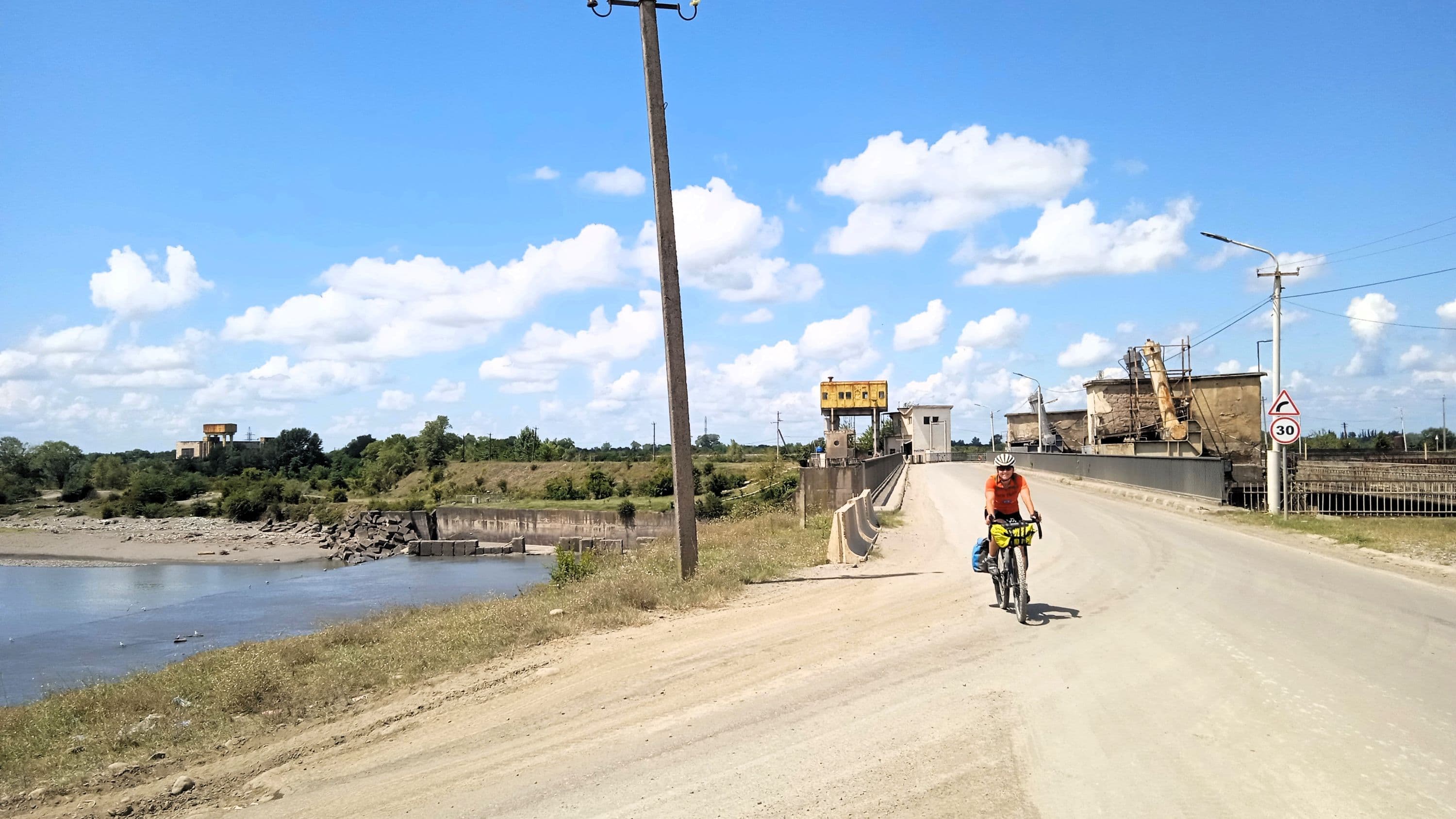
Baghdati’s greatest asset is its proximity to Kutaisi, the regional capital of Imereti. The 25-kilometer distance is short enough to make day trips feasible but far enough to ensure that Baghdati retains its quiet character. There are no confirmed rail lines or stations serving Baghdati directly, which means your mobility depends on road transport.
The road connection to Kutaisi is the lifeline for both locals and visitors. Most travelers reach Baghdati by car or taxi from Kutaisi. The drive takes roughly 30 to 40 minutes, depending on traffic and road conditions. This short transit time allows you to use Kutaisi as a base for shopping, dining, or cultural sites, while retreating to Baghdati for accommodation and relaxation.
Public transport options are limited. You may find marshrutkas (minibuses) that run between Kutaisi and Baghdati, but schedules are often irregular and driven by demand rather than a fixed timetable. If you rely on public transport, arrive early in the day. Taxis are more reliable but more expensive. Negotiate the fare before you get in, as meters are not always used for inter-town trips. The absence of a railway station limits spontaneity to the road network.
Food and Local Flavor
There are no confirmed dishes unique to Baghdati Municipality. You will not find a "Baghdati special" on the menu. Instead, you eat Georgian food. This presents an opportunity. The Imereti region is known for its distinct culinary traditions, including the famous Imeretian khachapuri, which is round and filled with sulguni cheese, and Imeretian tkemali sauce, made from tart plum.
Restaurants in Baghdati are likely to be small, family-run establishments. The menus will feature staples like khinkali (dumplings), mchadi (cornbread), and various grilled meats. The quality is generally high because the ingredients are local and fresh. Do not expect elaborate presentations or fusion cuisine. Expect hearty portions and simple flavors.
If you are looking for a specific dietary requirement, such as vegan or gluten-free options, you may need to communicate clearly with the staff. Georgian cuisine is meat and dairy-heavy, but vegetables and bread are always present. The lack of specialized local dishes means that you are eating what Georgians eat every day. It is authentic, unpretentious, and satisfying.
When to Go and Who It’s For
Baghdati is accessible year-round, but the best time to visit depends on your tolerance for weather and crowds. Summer (June to August) is warm and dry, making it ideal for river walks. However, this is also when domestic tourism peaks. The next major holiday is the Dormition of the Mother of God on August 28, 2026. Expect increased local traffic and higher accommodation prices around this date.
October brings the Holiday of Svetitskhovloba (Robe of Jesus) on October 14, 2026. The weather is cooler, and the autumn colors along the Khanistskali are striking. November 23, 2026, marks Saint George's Day, another period of local celebration. If you prefer solitude, aim for late spring (May) or late autumn (November), avoiding the holiday weekends.
Baghdati is best suited for solo travelers, couples, or small families who value quiet over activity. It is not a destination for nightlife or shopping enthusiasts. Stay for two to three days. One day is too short to appreciate the pace; a week is too long unless you are working remotely. Use Kutaisi for day trips to the Colchis Forest or the ancient city of Vani, and return to Baghdati for the evening.
Practical FAQ
Do I need a visa for Georgia? Most Western nationals do not need a visa for stays up to one year. Check the official Georgian government website for your specific country.
Is it safe to walk alone in Baghdati? Yes. Georgia is generally safe for tourists. Baghdati is a small town with low crime rates. Standard precautions apply.
What currency should I use? The Georgian Lari (GEL) is the official currency. Credit cards are accepted in Kutaisi but may not be widely used in Baghdati. Carry cash for small purchases.