Boshchorbogh functions as a logistical checkpoint in Khatlon Province. Heat dictates survival here, and shared taxis rule the road.
The thermometer in Boshchorbogh does not lie. In July, the air temperature hovers near 39°C (103°F). It is a dry, oppressive heat that radiates off the pavement of Khatlon Province. There is no shade to be found in the main transit areas. The humidity is low enough to dehydrate you before you realize you have stopped drinking. Unprepared travelers will fail here. This environment demands endurance over leisure.
I do not recommend visiting Boshchorbogh for its sights. There are none. The landmarks listed in guidebooks are generic. The reality is a collection of administrative buildings, dusty roads, and the relentless sun. You come here because it is on the map. You stay here because your marshrutka is delayed. You leave because the heat becomes unbearable. This guide prioritizes efficiency. It focuses on packing light, moving fast, and surviving the infrastructure gaps that define this region.
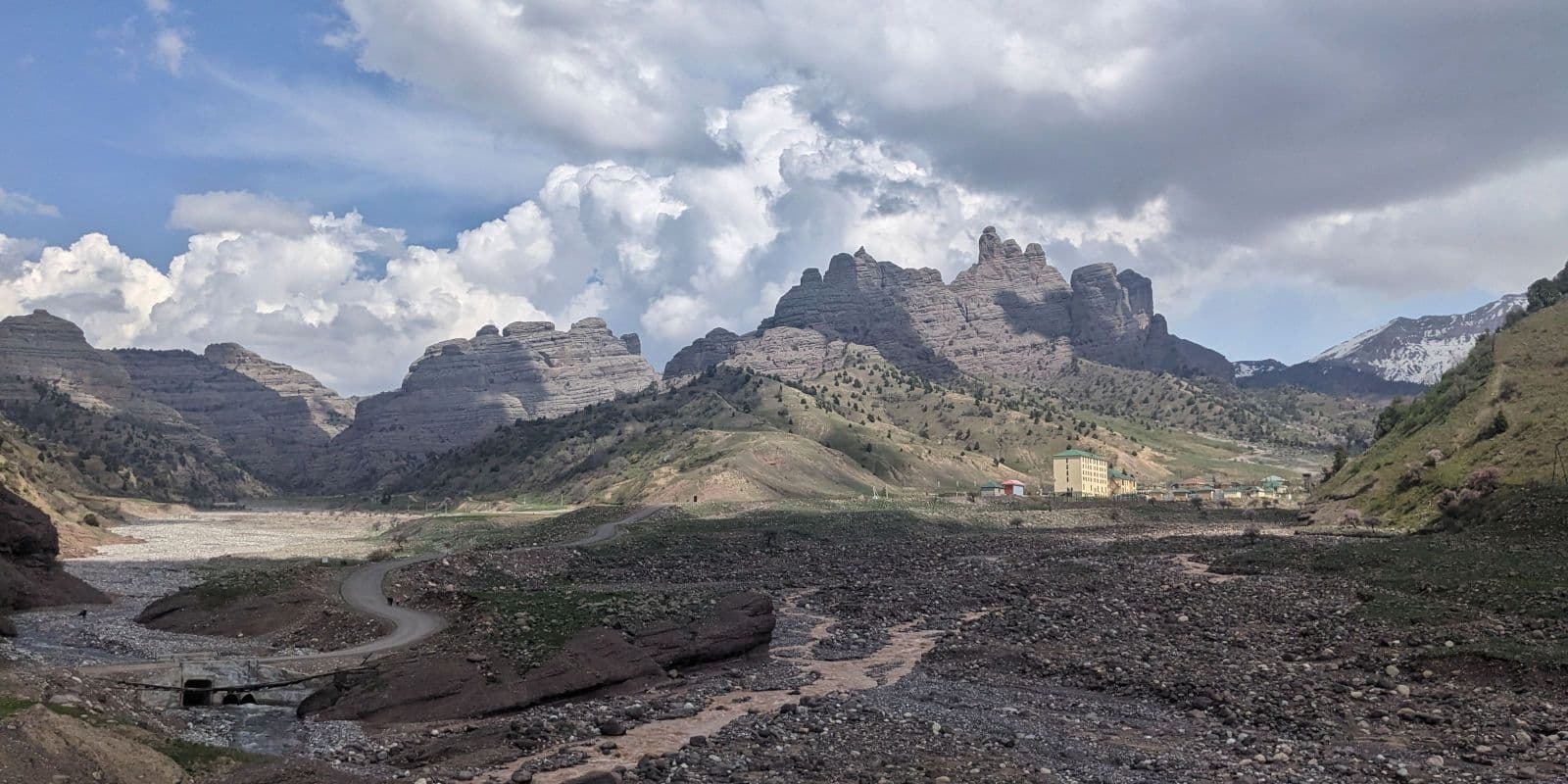
The Heat Factor
Your primary adversary in Boshchorbogh is the climate. The data is clear: July highs average 39°C. This is a physical constraint. The air is dry, with annual rainfall sitting at a negligible 183 mm. You will not find relief in the rain. You will find it in the timing of your movements.
Travel between mid-May and late May, or mid-August and early October. The peak weather window is the third week of September. This is when the temperature drops to a manageable level. If you arrive in July, you are working against the environment. Your gear must reflect this. Cotton is useless. It holds sweat and becomes heavy. Linen or synthetic moisture-wicking fabrics are mandatory. You need a hat that covers your neck. Sunglasses are protection against the glare off the white dust that coats the roads.
The heat affects your schedule. Travel during the day is inefficient. The sun peaks at noon, rendering outdoor activity pointless. Plan your movements for the early morning or late afternoon. If you are waiting for transport, find the shadow of a building. Do not stand in the open. The concrete retains heat long after the sun sets.
Gear Audit
Backpacking in Boshchorbogh requires a minimalist approach. You do not need a tent. You do not need a stove. You need a bag that is easy to lift into the back of a shared taxi. The roads are unpaved in sections, and the vehicles are old. Your luggage will be shaken. It will be dusty. It will be handled by people who do not care about its condition.
Pack a 40-liter backpack. Nothing larger. You are passing through. Include a high-quality water filtration system. Tap water is not safe. Bottled water is expensive and creates waste. A filter allows you to drink from local sources without risk. Include a power bank. Electricity can be unreliable in rural Khatlon Province. You need your phone charged for navigation and communication.
Clothing should be neutral. Avoid bright colors that attract dust or draw attention. Wear sturdy shoes. The ground is uneven. Sandals are for the evening only. Bring a small first-aid kit. Include antiseptic wipes and bandages. Blisters are common. Infection is a risk. Do not rely on local pharmacies for specific brands. Bring what you trust.
Transit Realities
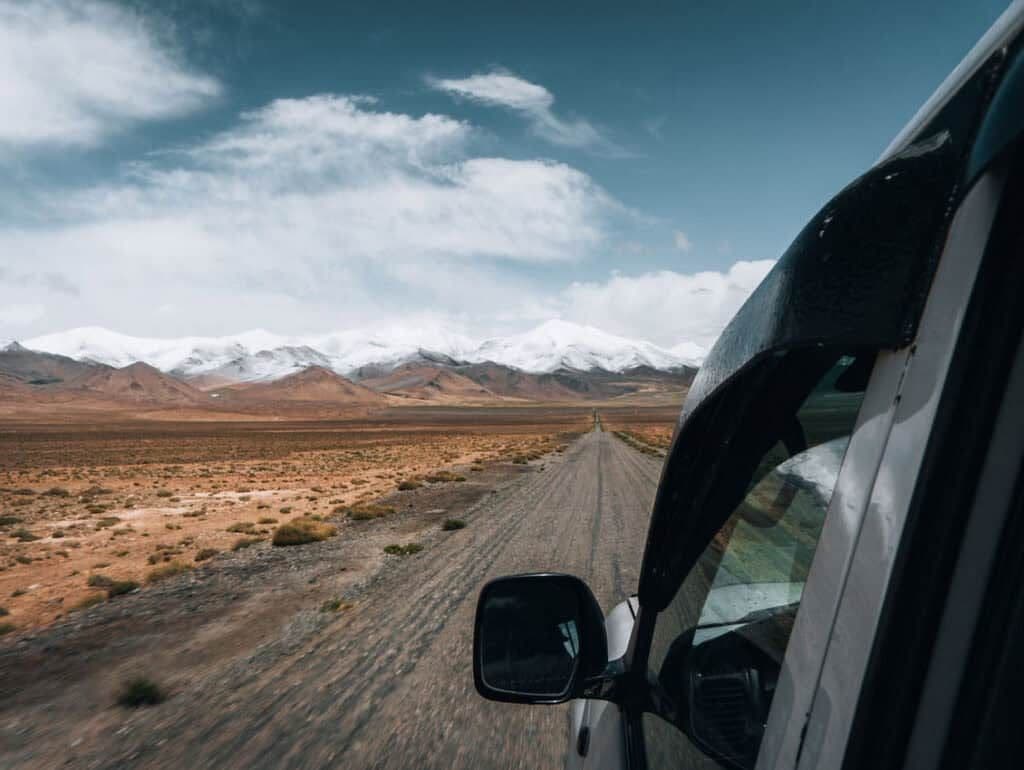
There is no railway station in Boshchorbogh. There is no airport. You arrive by road. The primary mode of transport is the shared taxi or marshrutka. These vehicles depart from nearby hubs like Bokhtar or Dushanbe. There is no fixed schedule. You wait until the vehicle is full. This can take minutes. It can take hours. Patience is a requirement.
The roads are mountainous. In winter, from January to April, they are dangerous. Snow and ice make travel by car discouraged. If you are traveling in summer, the roads are dry but rough. Dust is constant. Cover your gear. Keep your camera lenses clean. The vibration from the vehicle will shake your equipment. Use a padded case.
Fares are not standardized. Negotiate before you board. Do not expect a receipt. Do not expect comfort. The seats are hard. The air conditioning, if it exists, is broken. You will sweat. You will arrive tired. This is the price of travel in this region. Plan for delays. Build buffer time into your itinerary. If you miss a connection, you will wait. There is no alternative.
Sustenance and Hygiene
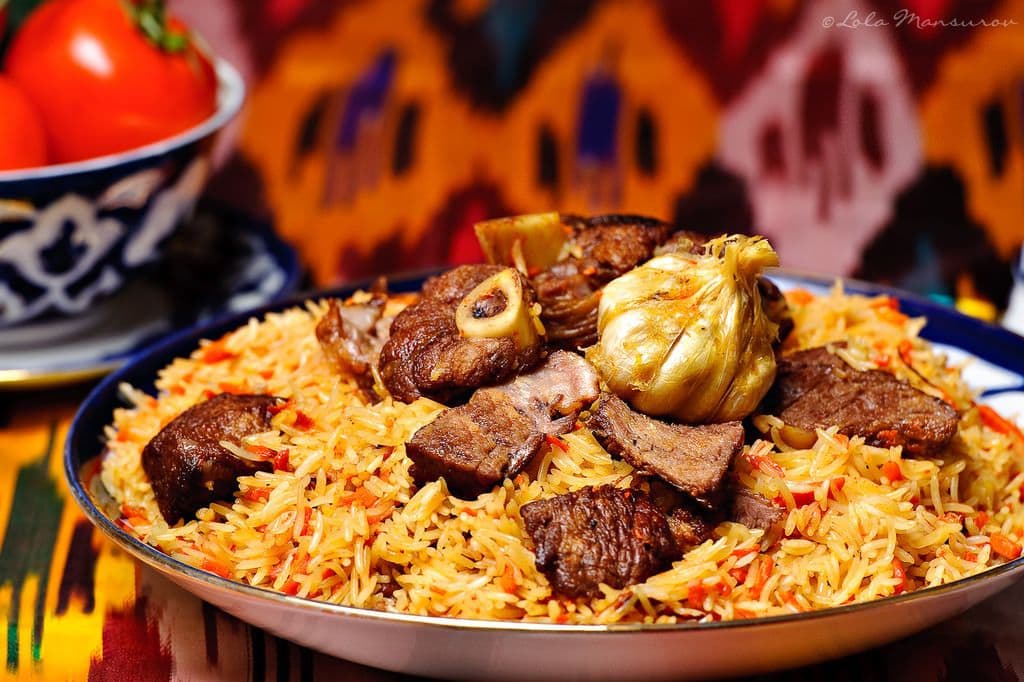
Food in Boshchorbogh is functional. There are no famous local dishes. You will eat what is available. Plov, shurbo, and sambusa are standard across Tajikistan. They are filling. They are safe if cooked fresh. Avoid raw vegetables. The water is not clean. Stick to boiled or fried items.
Hygiene is a concern. Restrooms are often basic. Carry your own toilet paper. Carry hand sanitizer. Wash your hands frequently. The dust in the air carries bacteria. Your food is exposed. Your water is the biggest risk. Do not drink from open containers. Use your filter. Drink alcohol only if you are certain of its source. Dehydration is a silent killer in this heat. Drink more than you think you need.
When to Go
The best time to visit is the third week of September. The temperature is moderate. The dust is settled. The roads are clear. Avoid July and August. The heat is extreme. Avoid January to April. The roads are closed or dangerous.
There are no major holidays in the next six months. This means no crowds. It also means no services. Shops may be closed. Transport may be irregular. Plan accordingly.
This place suits solo travelers who are self-reliant. It suits those who do not need luxury. It is unsuitable for families with young children. It is unsuitable for the elderly. It is for the disciplined. Stay for one night. It is enough to rest. It is not enough to suffer.
FAQ
Is Boshchorbogh safe? Yes, but the roads are dangerous in winter. Summer travel is safe from crime but hazardous due to heat.
Do I need a visa? Yes. Tajikistan requires a visa for most nationalities. Check current regulations before travel.
Can I use credit cards? No. Cash is king. Bring small denominations of Tajikistani Somoni. ATMs are scarce.