Pack light for Great Abaco’s quiet hub. No rails, just roads and sea breezes in this small Bahamian settlement.
The morning sun hits the asphalt of the main road in Cooper’s Town with a heat that feels immediate, not gradual. There are no train schedules to check here, no railway stations to navigate, and no crowded tourist traps demanding your attention. Instead, you find yourself in a small settlement on Great Abaco Island, a place where the rhythm of life is dictated by the tides and the slow turn of the day. For the backpacker, Cooper’s Town offers a different kind of reward: silence, space, and the authentic texture of local Bahamian life, far removed from the high-energy resorts of Nassau.
The Reality of Arrival
Getting to Cooper’s Town requires a shift in mindset. You are not arriving at a transit hub; you are arriving at a destination that demands intentionality. Your journey here is likely to involve a flight to Marsh Harbor on Abaco Island, followed by a road transfer.
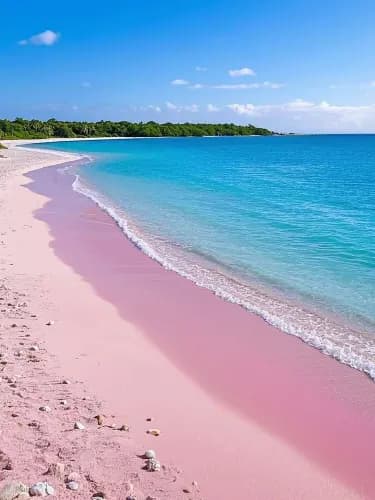
Once you land, the transition to Cooper’s Town is a drive along the island’s coastal roads. The landscape is flat, open, and dotted with the distinctive pink-sand beaches that Abaco is famous for, though Cooper’s Town itself is inland enough to offer a respite from the direct ocean glare. The roads are paved but narrow, winding through residential areas where life moves at a deliberate pace. If you are renting a car, drive slowly. The streets are not designed for speed, and the scenery is best appreciated when you are not rushing to the next checkpoint. For those without a vehicle, local taxis or pre-arranged transfers from Marsh Harbor are the standard method of reaching this community hub. It is a short trip, but it sets the tone for the rest of your stay: relaxed, unhurried, and connected to the land.
Packing for the Caribbean Heat
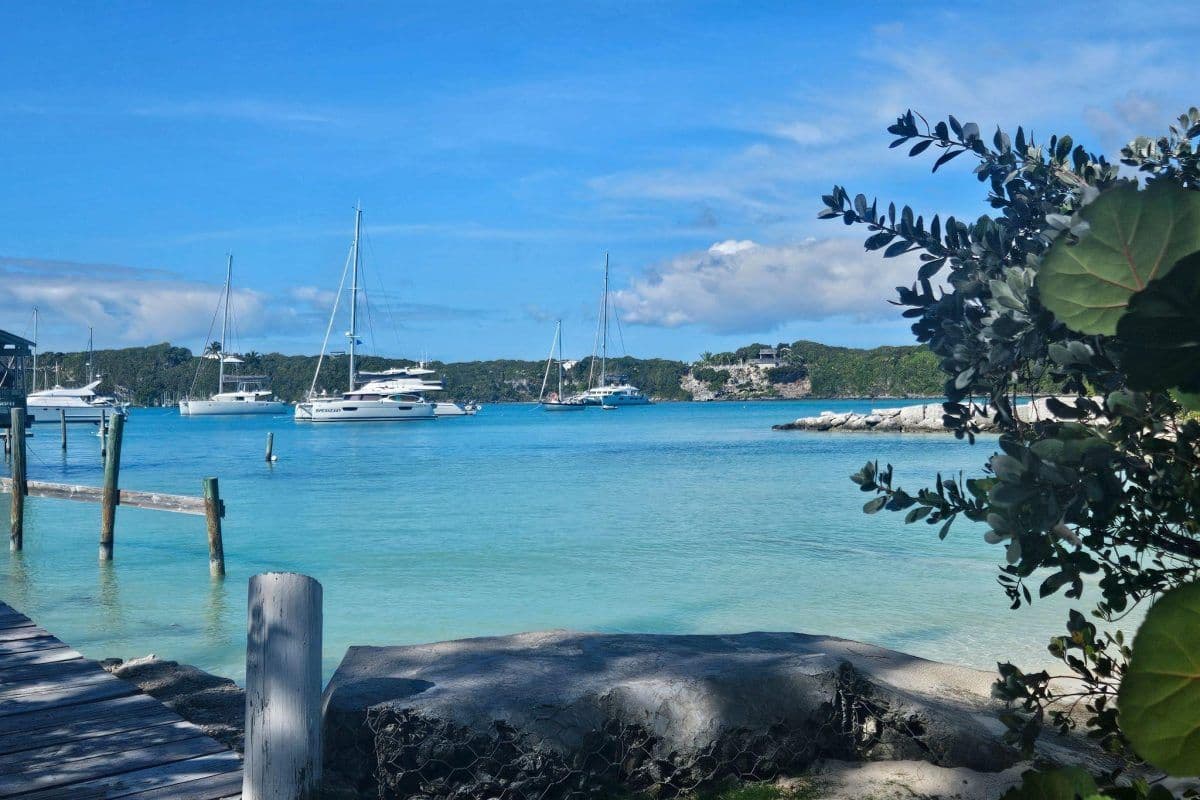
Backpacking in Cooper’s Town is less about heavy gear and more about smart layering. The climate is tropical, meaning humidity is a constant companion. Your bag should be light, breathable, and easy to carry. A sturdy daypack is sufficient for daily exploration, as the settlement is small enough to be explored on foot within a single day.
Clothing should be made of natural fibers like cotton or linen, which allow your skin to breathe in the humid air. Pack light-colored shirts to reflect the sun, and include a pair of comfortable walking shoes suitable for paved roads and occasional gravel paths. While the town is small, the sun is strong. A wide-brimmed hat and high-SPF sunscreen are non-negotiable items. Rain is possible, especially during the summer months, so a lightweight, packable rain jacket is a wise addition. Avoid heavy denim or synthetic materials that trap heat. Your goal is to move through the day with ease, not to struggle with overheating gear.

Living Light in a Small Settlement
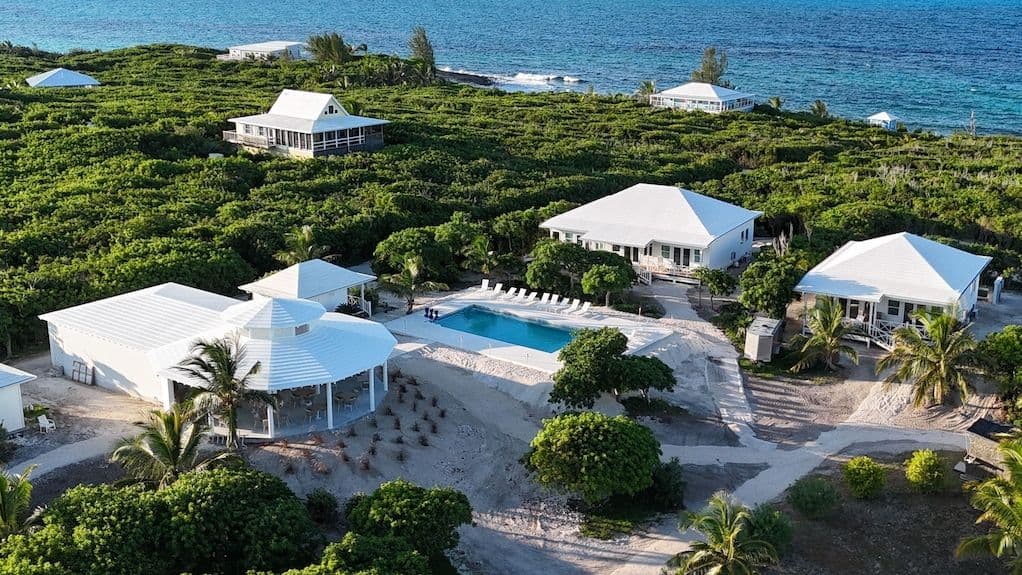
Accommodation options in Cooper’s Town are limited. This is not a place with a wide variety of hotels or hostels. Visitors often use the town as a stopover or base while exploring the wider Abaco Island. If you are staying here, expect simple, local lodging rather than luxury amenities. This scarcity is part of the charm. You are staying in a community, not a resort complex.
The lack of large-scale tourism infrastructure means that resources are shared. Water and electricity are reliable, but it is wise to carry a reusable water bottle and refill it regularly. There are no major shopping malls or big-box stores. Your supplies should be planned ahead. The local market area offers fresh produce and basic necessities, but for specialized items, you may need to return to Marsh Harbor. Embrace the simplicity. Eat where the locals eat, sleep in modest conditions, and appreciate the authenticity of the experience. This is travel in its rawest form, where the focus is on connection rather than convenience.
The Local Rhythm
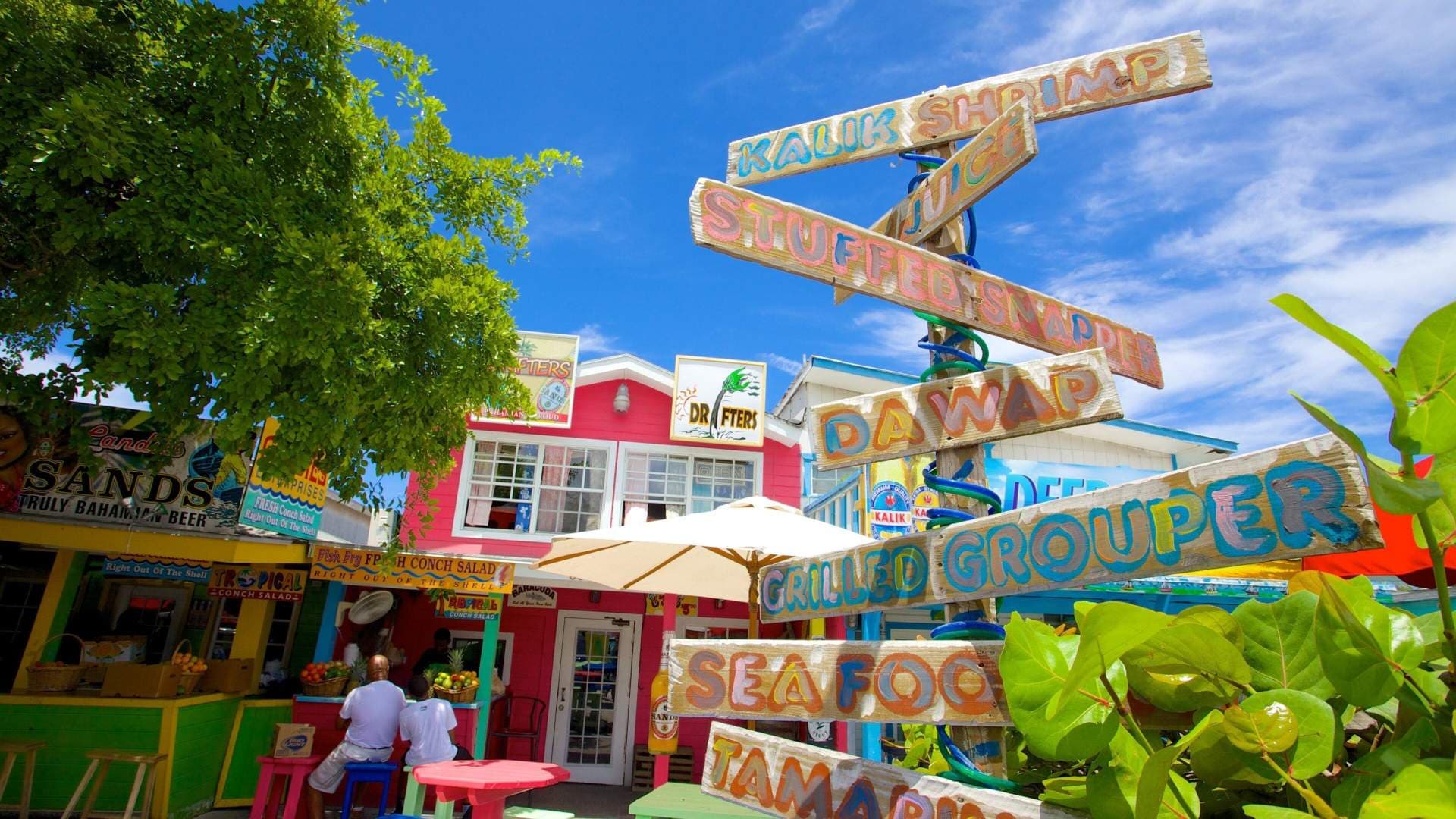
Food in Cooper’s Town is simple and hearty. While specific restaurant names are not widely documented in international guides, the culinary landscape reflects the broader Bahamian tradition. Expect meals centered around fresh fish, conch, and root vegetables. Rice and beans are a staple, often served with stewed chicken or fried fish. The flavors are subtle, relying on the quality of the ingredients rather than heavy spices.
Etiquette here is rooted in respect and patience. People move slowly, and conversations are valued over schedules. If you are invited into a home or a local eatery, accept with gratitude. Tipping is appreciated but not as rigidly structured as in larger tourist centers. A small tip for service is a kind gesture that acknowledges the effort of the host. Language is English, but the local dialect has its own cadence and charm. Listen more than you speak. The best insights come from observing the daily routines of the residents, from the morning greetings to the evening gatherings.
When to Go and Who It’s For
The best time to visit Cooper’s Town is during the drier months, typically from December to April. However, the summer months offer a different kind of beauty, with lush greenery and fewer tourists. Be aware of the hurricane season, which runs from June to November. Storms are a possibility during this window. Check weather forecasts before you travel.
Upcoming holidays in the Bahamas can affect your trip. Emancipation Day in August is a significant national holiday. Expect higher demand for accommodation and transportation during this period. Prices may surge, and crowds may increase, even in a small town like Cooper’s Town. National Heroes Day in October and the Christmas/New Year period in December and January are also busy times. If you prefer a quieter experience, plan your visit outside these windows.
Cooper’s Town is ideal for solo travelers, couples, and small groups seeking a slow-travel experience. It is not suitable for those who require constant entertainment or luxury amenities. A stay of one to two days is sufficient to explore the town and its immediate surroundings. Use this time to relax, reflect, and connect with the local culture. It is a place that rewards patience and presence, offering a glimpse into the heart of Bahamian life.
Practical Questions
Is it safe to walk around Cooper’s Town?
Yes, Cooper’s Town is generally safe for visitors. It is a small, tight-knit community. Standard precautions apply: lock your belongings, avoid walking alone at night in unfamiliar areas, and respect local customs.
Do I need a visa?
Visa requirements depend on your nationality. Many travelers from the US, UK, and EU countries do not need a visa for short stays in the Bahamas. Check with your local Bahamian embassy or consulate for specific entry requirements before you travel.
What currency should I use?
The official currency is the Bahamian Dollar (BSD), which is pegged 1:1 with the US Dollar. US Dollars are widely accepted, but having some local currency for small purchases is helpful. ATMs may be limited in Cooper’s Town, so carry enough cash for your stay.