Skip the resorts. San Pedro’s autumn offers raw reef access and island grit. Here is how to navigate Ambergris Caye without the tourist trap tax.
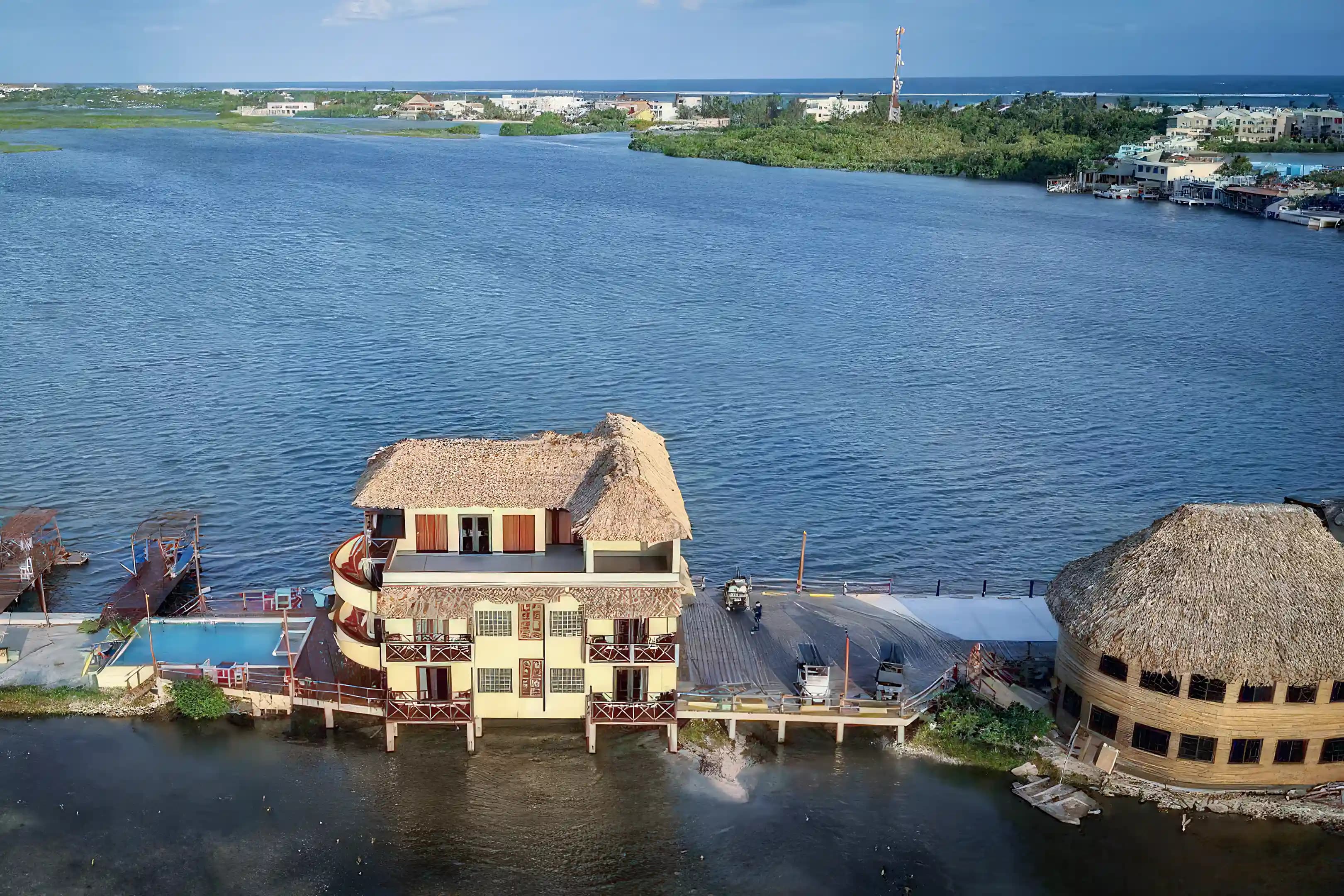
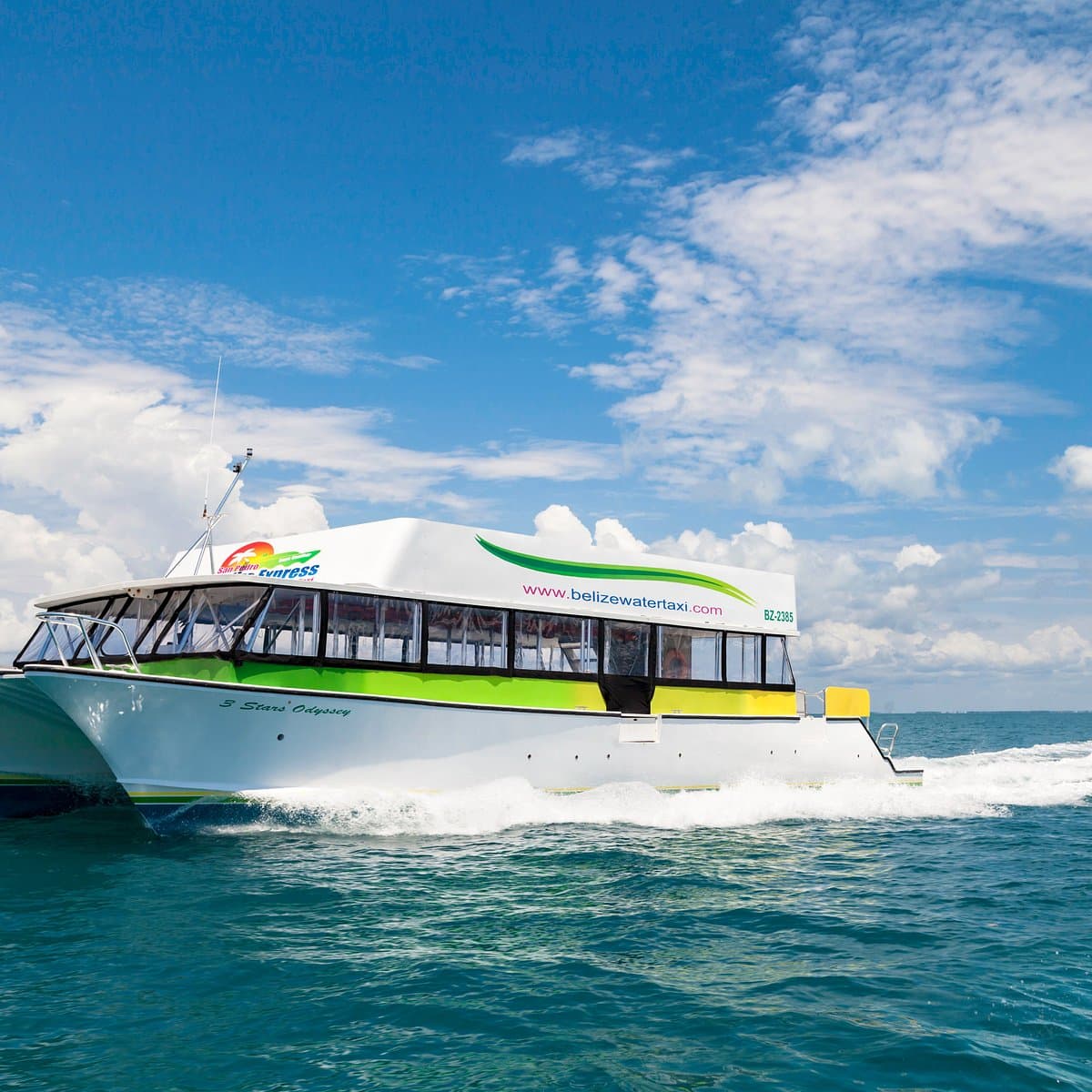
The plastic water taxi from Belize City doesn’t care about your itinerary. It cuts through the chop, salt spray stinging your eyes, depositing you on the causeway of Ambergris Caye. You are in San Pedro. There are no railways here. No high-speed trains to whisk you away from the reality of a small island town. Just the rumble of trucks, the smell of diesel and frying plantains, and the immediate, pressing heat.
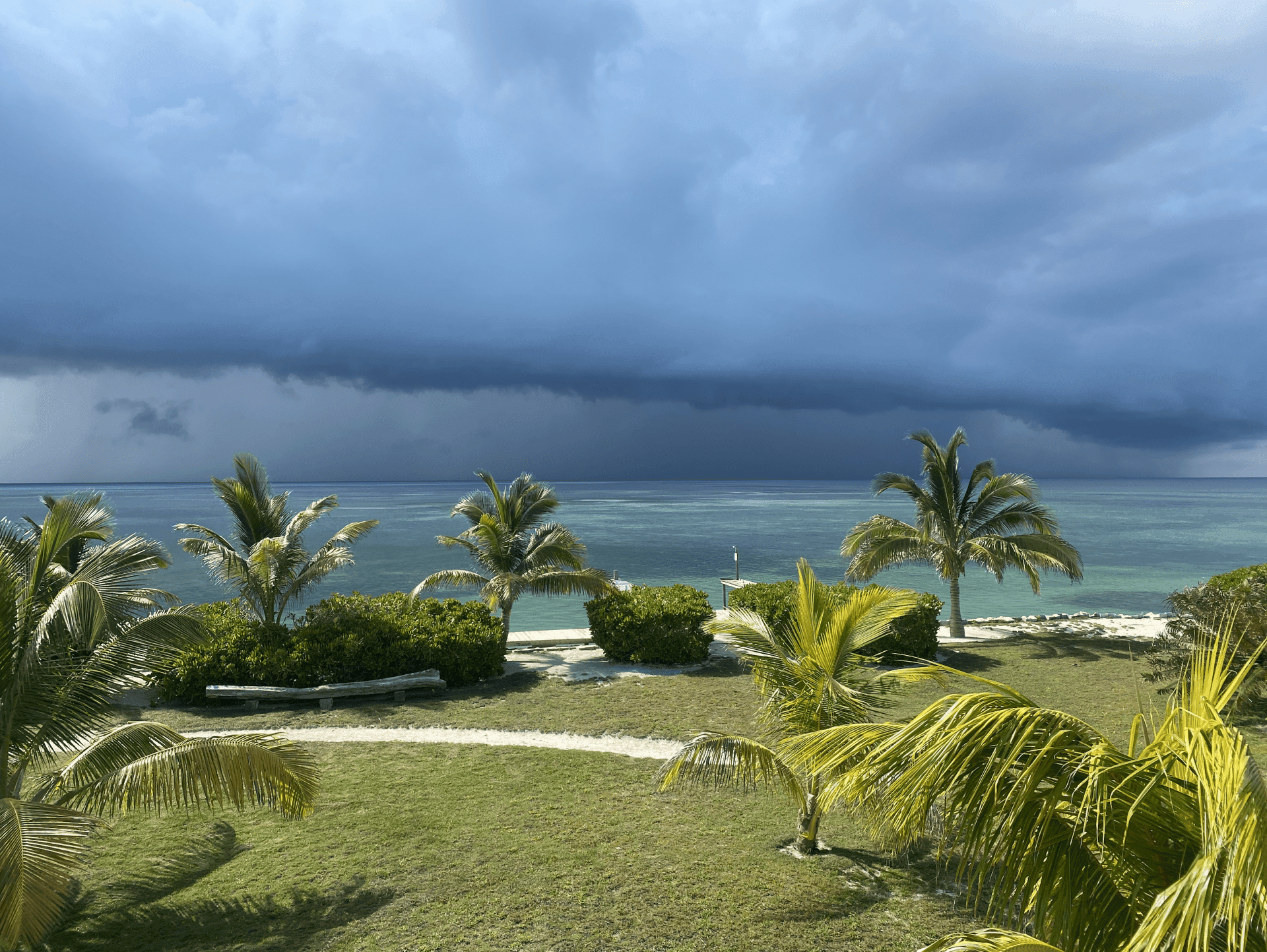
Autumn in Belize is not a polite season. October and November sit at the tail end of the hurricane season. The sky is often bruised purple, heavy with clouds that promise rain but sometimes deliver nothing but humidity. This is the time for travelers who want the island before the winter crowds inflate the prices and sanitize the vibe. You are here to see the reef, not to pose for it.
The Reef: Hol Chan and Shark Ray Alley
The ocean is the only reason San Pedro exists. The town is a gateway, a concrete throat swallowing visitors and spitting them out onto the water. If you are going to do one thing, it is snorkeling. But do not book the cheapest generic tour. You want proximity. You want clarity.
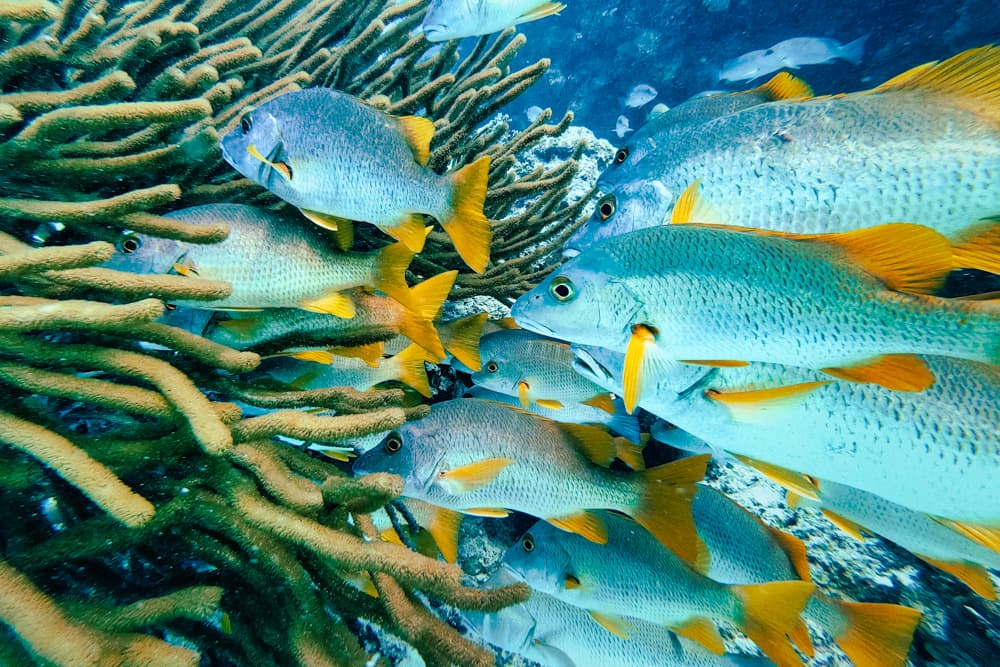
Hol Chan Marine Reserve is the crown jewel, but it is crowded. It is a protected patch of reef where parrotfish crunch on coral and sea turtles glide like prehistoric submarines. The water is warm, around 80°F (27°C), even in the cooler autumn months. The reserve is close to shore, meaning short boat rides. Short rides mean less time sitting in a plastic hull and more time in the water.
Just a few minutes further out lies Shark Ray Alley. This location is a sandy trench where nurse sharks and southern stingrays congregate. The sharks are harmless, curious, and indifferent to your Instagram fame. They hover inches from your face, their gills pumping, eyes dead and ancient. The stingrays are heavier, dragging themselves through the sand, their tails whipping slightly if you get too close. It is a primal interaction. You are not in control. The water is.
The Island Pulse: Streets and Sand
San Pedro is a grid. It is simple, predictable, and utterly unremarkable if you look for architecture. Look instead for the texture of daily life. The main streets are lined with souvenir shops selling the same trinkets found in every coastal town from Cancún to Phuket. Ignore them. Walk further.
The beach consists of packed sand, mixed with shells and debris from the sea. It is functional. Locals sit on low plastic chairs, drinking beer, watching the water taxis come and go. The light in autumn is diffused, filtered through the cloud cover. It is softer, less harsh than the summer glare. It makes the turquoise of the shallows look deeper, more mysterious.
There is no grand cathedral, no towering monument. The San Pedro Roman Catholic Church is a small, white structure, unassuming and quiet. It stands as a reminder that this is a community, not just a service station for divers. It is a place where people live, work, and age. The church bells ring, not for tourists, but for the parish. Listen to the rhythm. It is the heartbeat of the island, steady and unbothered by the seasonal influx of outsiders.
Getting There: The Reality of Transit
You cannot drive to San Pedro. You cannot take a train. The island is separated from the mainland by the Belize Barrier Reef. Your options are limited, and that is the point.
The water taxi is the lifeline. It departs from Belize City, crossing the choppy waters in about 45 minutes. It is cheap, efficient, and rough. You will get wet. You will smell the diesel. You will see the reef from the surface, a line of white foam marking the edge of the shallow lagoon. It is a visceral arrival.
For those with deeper pockets, Maya Island Air offers flights from Philip S.W. Goldson International Airport (BZE) in Belize City. The flight is short, maybe ten minutes. You see the island from above, a strip of green and concrete surrounded by blue. It is romanticized in brochures. In reality, it is just a faster way to get to the same plastic chairs and same salt spray. Choose based on your budget and your tolerance for nausea. The water taxi is the honest choice. The plane is the convenient one.
Practicalities: Money, Time, and Rain
Autumn means rain. It is not a constant deluge, but it is frequent. Afternoon storms roll in, heavy and sudden, then vanish as quickly as they arrived. Bring a rain jacket, not an umbrella. Umbrellas are useless in the Caribbean wind.
Money is US dollars. Belize uses the Belize Dollar, but the US dollar is accepted everywhere, often at a fixed exchange rate. Prices are higher than on the mainland. You are paying for the logistics of island life. A meal at a local eatery might cost around $10–15 USD. A beer at a beach bar could be $5–7 USD. Do not expect luxury for budget prices. The island extracts a premium for its isolation.
Book your snorkeling tours in advance, especially if you are visiting during a holiday. The island fills up. Space is limited. The boats are small. If you wait until you arrive, you might be stuck with the last available slot, or worse, no slot at all. Plan ahead. This approach shows respect for the limited resources of a small island.
When to Go: Holidays and Crowds
Autumn in Belize is marked by several national holidays. These dates act as disruptions to the normal rhythm of the island.
Emancipation Day (August 1) is technically late summer, but the spirit carries over. It is a day of reflection and celebration, marking the end of slavery. The island is quieter, more introspective.
Saint George's Caye Day (September 10) is a major national holiday. It commemorates the defense of Saint George's Caye by Baymen and their enslaved people against a Spanish invasion in 1798. It is a day of pride, but also of crowding. Many locals travel to the mainland or other islands. Prices for accommodation may spike. Book early.
Independence Day (September 21) marks Belize’s independence from Britain in 1981. It is a festive day, with parades and celebrations. The atmosphere is electric, but the town is busy. If you prefer solitude, avoid this week.
Indigenous Peoples' Resistance Day (October 12) honors the Maya, Garifuna, and other indigenous groups who resisted colonization. It is a day of cultural significance, often marked by traditional dances and music. It is a chance to see the deeper cultural layers of Belize, beyond the tourist facade.
Garifuna Settlement Day (November 19) is one of the most vibrant celebrations in Belize. It commemorates the arrival of the Garifuna people on the coast in 1802. The island comes alive with drumming, dancing, and traditional food. It is loud, colorful, and intense. It is not for the faint of heart, but it is an unforgettable experience. If you are here in November, do not miss it.
San Pedro in autumn is for those who want to feel the pulse of the place, not just observe it. It is for the diver, the wanderer, the one who wants to sit on a plastic chair and watch the rain hit the reef. It is not perfect. It is real. And that is enough.