Skip the ocean. Atuntaqui offers a disciplined highland itinerary: textile workshops, the 2025 railway revival, and precise transit from Ibarra.
The Reality Check
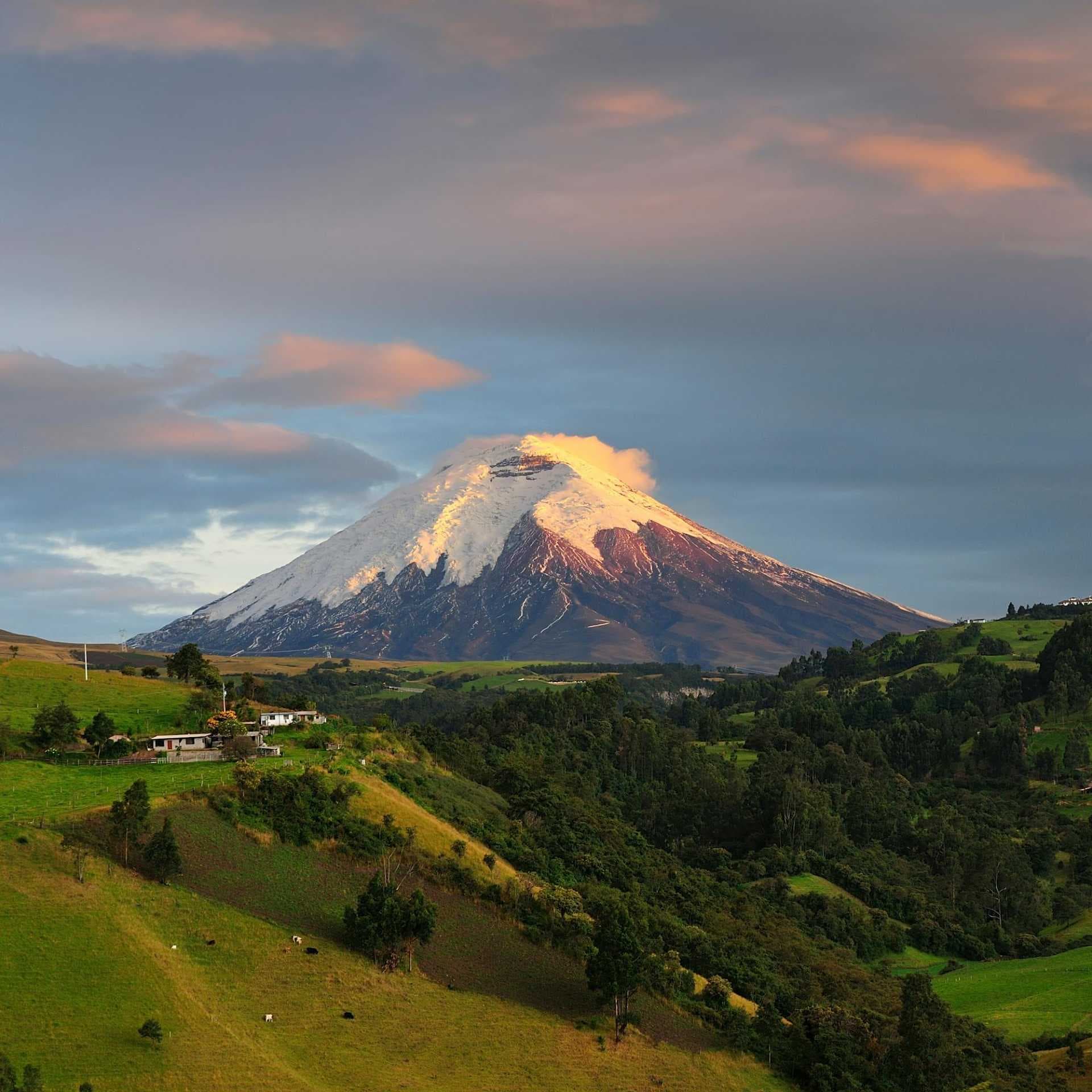
There are no cruise ships in Atuntaqui. It sits at approximately 2,000 meters elevation in Imbabura province, far from any navigable coast. To treat this destination as a maritime holiday is a logistical error. However, for travelers seeking the discipline of a cruise schedule without the chaos of a port, Atuntaqui functions as a high-efficiency node. The town is defined by its textile industry and its position on the historic Trans-Andean Railway. The appeal here lies in the satisfaction of a well-executed itinerary. You arrive, you audit the local production, you consume the regional cuisine, and you depart. There is no ambiguity in the experience. The climate is stable, averaging 18°C year-round, which eliminates the variable of weather-based disruption common in coastal destinations. This is a place for those who prefer structure over serendipity.
The Textile Infrastructure
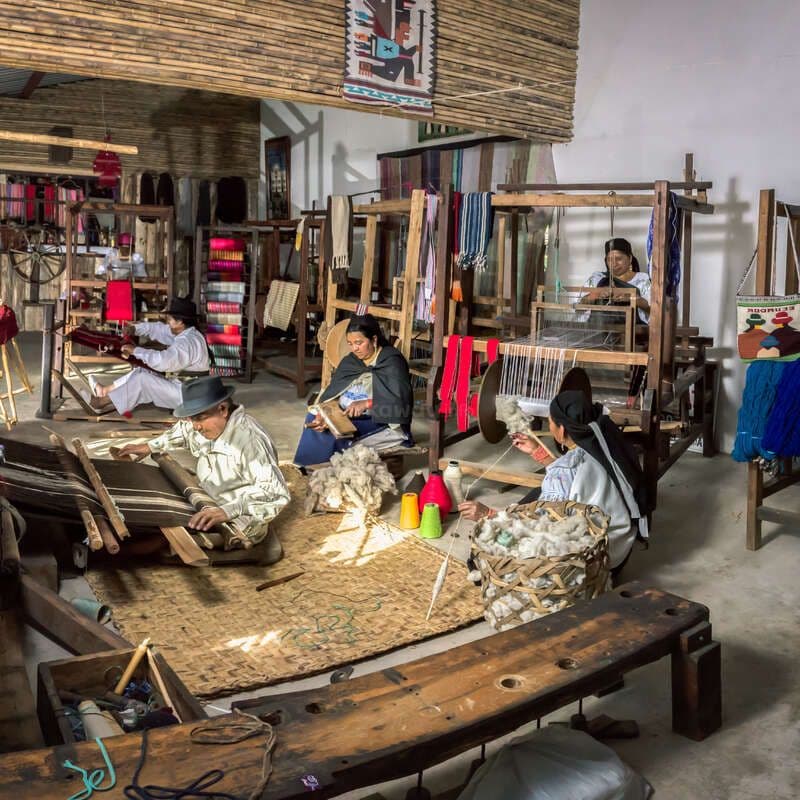
Atuntaqui is the commercial engine of the Imbabura highlands. The streets are lined with workshops and leather shops, creating a corridor of production rather than mere retail. Unlike tourist markets elsewhere, this is an active industrial zone. The rhythm of the day is set by machinery and commerce. You will see the raw materials—wool, leather, thread—processed in visible stages. The town hosts regular craft fairs, which serve as benchmarks for local quality and pricing. When evaluating a purchase, observe the construction. The stitching should be uniform. The leather grain should be consistent. This environment demands procurement rather than impulse buying. If you are sourcing goods, negotiate based on volume and quality standards. The artisans here understand their product. They do not cater to ignorance. Respect that. The sensory environment is dominated by the smell of tanning agents and the hum of looms. It is an honest atmosphere.
Transit Efficiency
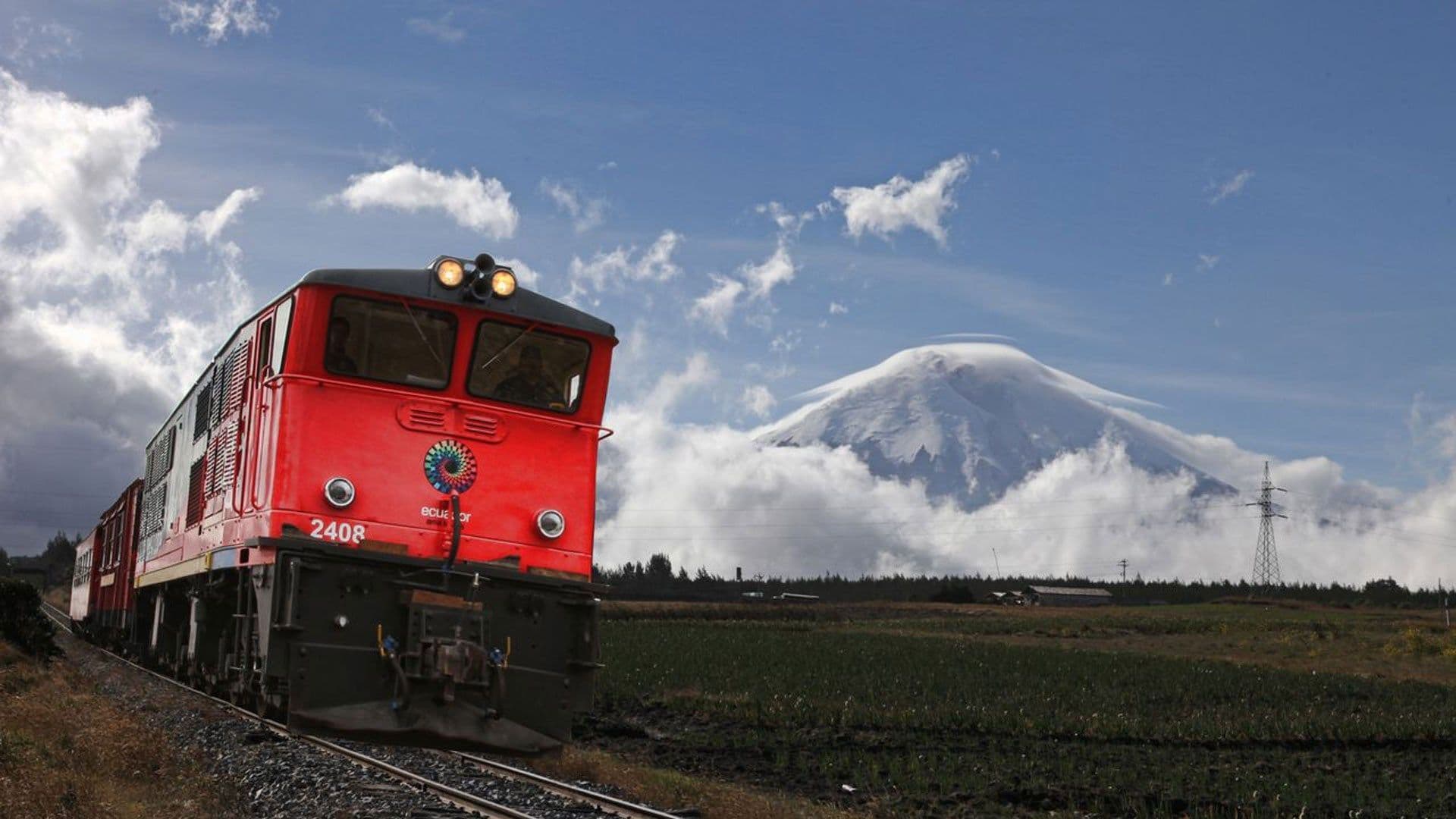
Getting to Atuntaqui requires a two-stage process, which tests your planning capabilities. From Quito, you take an interprovincial bus from Carcelén or Quitumbe terminals to Ibarra. This leg takes roughly 2–3 hours, depending on traffic conditions in the capital. Once in Ibarra, the transfer to Atuntaqui is trivial. The distance is approximately 10 kilometers. Local cooperative buses run on scheduled routes. The fare is negligible, typically between US$1 and US$4.46. The ride itself lasts about 55 minutes if you wait for the scheduled departure, or 12–14 minutes if you hire a taxi. The railway option offers a different metric. The Andrade Marín station, part of the Trans-Andean Railway, saw the Municipal Ibarra–Andrade Marín section reactivated in 2025. This is a significant update for the region. While the train may not offer the speed of a taxi, it provides a fixed track and a specific timetable, aligning with the precision required for a structured trip. Check the current operational status before relying on this mode, as reactivation schedules can fluctuate.
Culinary Audit
The local cuisine is functional and hearty. The primary dish to evaluate is the fritada. This is a traditional meal of Atuntaqui, consisting of corn dough stuffed with ground meat, onions, and spices, then fried until crisp. It is served at establishments such as Fritadas Paradero Andini, located on the Panamericana highway. The texture is critical here; the exterior must be shatteringly crisp, while the interior remains moist. Pair this with Andean corn dishes, which are a staple of the region. The flavors are earthy and direct, lacking the excessive seasoning often found in tourist-oriented restaurants. Dining in Atuntaqui serves the purpose of fuel rather than spectacle. The portions are substantial. Do not over-order. The heat index is low due to the altitude, so digestion is efficient. Focus on the quality of the corn and the freshness of the meat. If the fritada is pale, walk away. It indicates a failure in preparation.

Timing and Audience
The best window for travel is the dry season, which aligns with the global summer months (June through August). During this period, the skies are clear, and visibility to the surrounding Andean peaks is optimal. The next major holiday affecting regional travel is Independence of Guayaquil on October 9, 2026. While this is a national celebration, it primarily impacts coastal traffic. However, domestic travel patterns may shift slightly in the weeks leading up to it. All Souls’ Day on November 2, 2026, and Independence of Cuenca on November 3, 2026, will likely increase domestic movement in southern provinces, potentially affecting bus availability from Quito. Book your transit ahead if traveling during these windows. This destination suits solo travelers and those interested in industrial heritage. It lacks the amenities for families seeking amusement parks or beach activities. A stay of two to three days is sufficient to cover the textile workshops, sample the local food, and test the transit connections.
FAQ
Is Atuntaqui safe for solo travelers? Yes. The town is a working community, not a tourist trap. Standard urban precautions apply. Keep valuables secured and be aware of your surroundings in the workshop districts, particularly during evening hours when foot traffic decreases.
Can I pay in cash or card? Cash in US dollars is king in Ecuador. Most small workshops and local eateries do not accept credit cards. Carry small denominations. ATMs are available in Ibarra, so withdraw enough for your entire stay before transferring to Atuntaqui.
What is the best way to reach the waterfalls? Day trips to nearby waterfalls and hot springs are possible, but specific operator details vary. Arrange transportation through your accommodation or a local cooperative. Do not rely on informal street vendors for long-distance excursions without verifying their credentials.