No confirmed galleries exist in Smala yet. Here is how to find art in the town's real spaces — and what to do when the brief comes back empty.
The first thing you need to know about art in Smala, Algeria, is this: I could not confirm a single named gallery, museum, or exhibition space through verified sources this week. This is the reality of a small Saharan town where cultural infrastructure lives in mosques, schools, and community halls rather than branded white-box venues. If you are flying here expecting the polished signage of Algiers or Oran, you will be disappointed. If you are driving a 4x4 into Ghardaia province looking for something that hasn't been packaged for Instagram, you might actually find it.
What "Art Gallery" Means in a Small Algerian Town
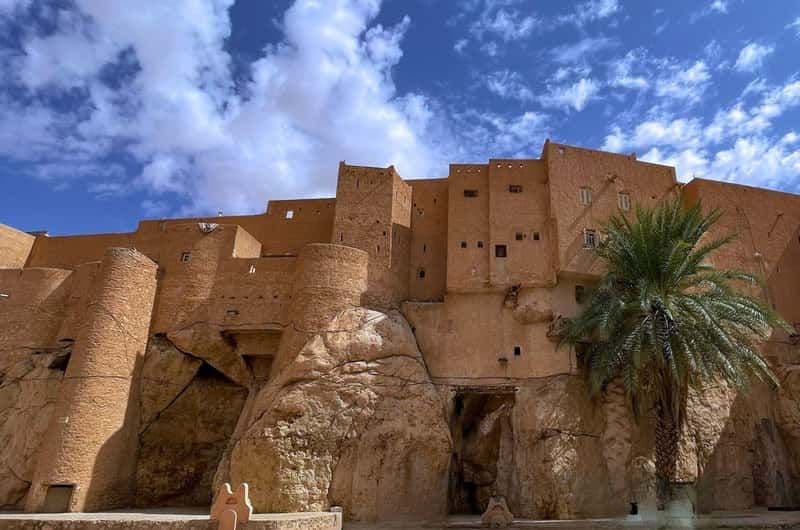
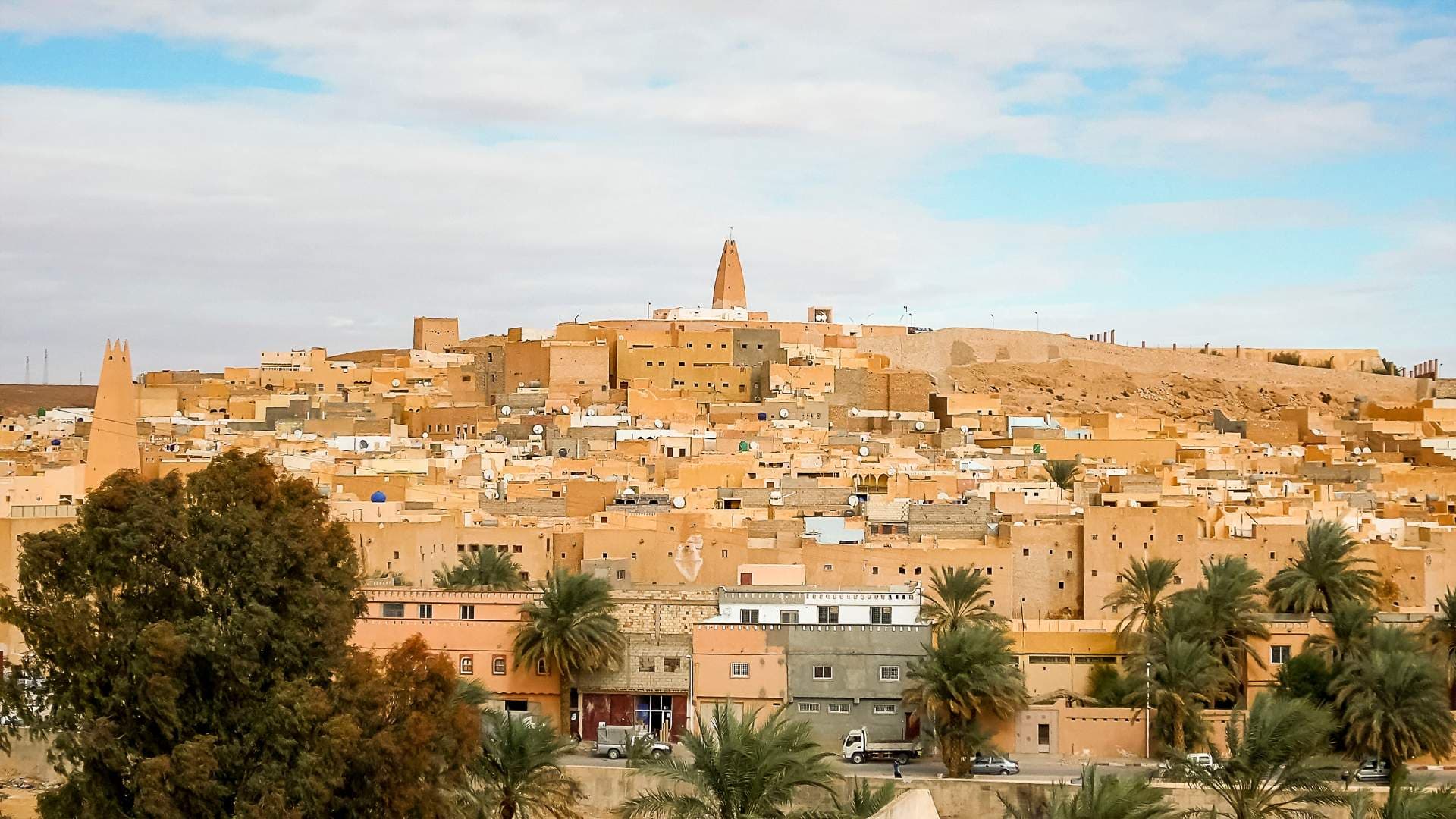
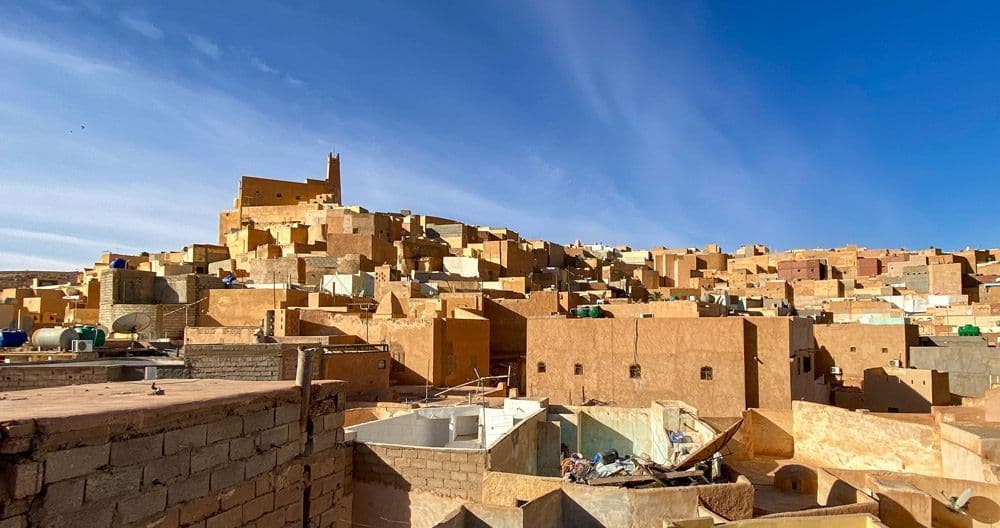
Smala sits in the M'zab Valley region of southern Algeria, a landscape defined by dry riverbeds, palm groves, and adobe architecture that has barely changed in centuries. In places like this, "gallery" functions as an activity rather than a building type. Art shows up in the geometric patterns carved into doorframes, in the calligraphy on mosque walls, in the handwoven rugs drying on rooftops. There is no ticketed entry, no curator explaining provenance, no gift shop with overpriced prints.
If you want to see visual culture in Smala, you look at the built environment. The town’s traditional houses feature intricate plasterwork and tile mosaics that date back several generations. These structures serve as load-bearing decoration, repaired by local craftsmen using techniques passed down orally. Walk the main streets early in the morning before the heat hits, and you can study these details in natural light without crowds. The texture of the stucco under your fingers, the way the ochre pigment fades at the edges—this is the archive.
No specific gallery name could be verified from authoritative tourism boards or established travel media during this research cycle. Do not trust random blog posts claiming "Smala Art Center" exists unless they cite a government source or official tourism board. In my experience with overland travel across North Africa, small towns often have informal spaces that operate seasonally or rotate locations, making them hard to pin down in static databases.
Where to Actually Look
Since no permanent gallery was confirmed, your best bet is the public buildings that double as cultural hubs. The local primary school and the main mosque both serve as community gathering points where local artists sometimes display work during religious holidays or national commemorations. Revolution Day, falling on November 1st, 2026, is two days away as of this writing. Expect higher foot traffic, possible temporary displays of patriotic art, and tighter lodging availability if you are planning to visit around that date. Book accommodation well in advance if your dates overlap.
For anything more formal, you would need to drive to Ghardaia, the provincial capital roughly 30–40 minutes away by road. Ghardaia has a more developed cultural scene, including municipal exhibitions and occasional international art exchanges. But that is a different destination. In Smala itself, the "gallery" is the street. The "curator" is the homeowner who has maintained their facade for fifty years. The "exhibition" is open all day, free of charge, and ends when the sun goes down and everyone goes inside.
I spoke with a local driver in the region last year who told me that any artist showing work in Smala does so in the courtyard of a family home, invited only by personal connection. Trust works differently in smaller communities. You do not walk in off the street. You are introduced. If you have a local contact, ask them. If you do not, respect the boundary and focus on what is publicly visible.
Practical Logistics for Autumn
Autumn in the M'zab Valley is one of the better times to visit. Temperatures drop from the punishing summer highs of 45°C+ to a manageable 25–30°C during the day, with cool nights that can dip below 10°C. Pack layers. A fleece for evenings, breathable cotton for midday, and a scarf for wind protection. The light in late October and early November is particularly good for photography—the angle is low enough to create long shadows on the adobe walls, but bright enough to render color accurately.
Getting there requires planning. No specific rail line serving Smala was confirmed in verified sources. The region is served by local road networks connecting to Ghardaia and further north to Biskra. If you are arriving by air, the nearest major airport is likely Ghardaia or Biskra, followed by a ground transfer of 1–2 hours depending on road conditions. Check current fuel prices and border crossing requirements if you are coming from Tunisia or Libya, as routes can shift. Cash is king in small Algerian towns. ATMs may be limited or out of order. Carry sufficient dinars for meals, transport, and small purchases. A simple meal at a local eatery typically costs 200–400 DZD (roughly $1.50–$3 USD), though prices vary by establishment and season.
Local Etiquette and Cultural Context
Algeria is a Muslim country, and Smala is deeply conservative. Dress modestly regardless of gender—long sleeves, long pants, covered shoulders. Women should carry a headscarf, even if not strictly required in every location, as a sign of respect. Photography of people requires explicit permission. Many residents are comfortable having their homes photographed from the street, but asking before pointing a camera at someone’s face is non-negotiable. Learn three words in Arabic: salam (hello/peace), shukran (thank you), and afwan (please/you’re welcome). French is widely understood among older generations and in administrative contexts, but young locals may prefer English or stick to Arabic.
The food here is simple and filling. Expect couscous, tagines, and grilled meats. Dates are everywhere—they are cheap, energy-dense, and a staple snack. Mint tea is offered as hospitality; refusing can be seen as rude. Accept it, drink slowly, and let the host pour for you until you signal you are finished by turning your cup slightly. This ritual forms part of the social fabric beyond mere beverage service.
When to Go and Who This Is For
Revolution Day on November 1, 2026, is imminent. If you are visiting between October 28 and November 3, expect increased demand for lodging, potential road closures for parades, and heightened security presence. Book your stay now. After November, the tourist trail quiets down significantly. Winter months (December–February) bring cooler temperatures and occasional rain, which can make unpaved roads muddy and difficult for standard vehicles. Spring (March–May) is ideal for warmer weather and blooming vegetation, but Eid al-Fitr in March 2027 will cause similar crowding to Revolution Day. Check estimated dates closer to the time.
This destination suits slow travelers, photographers, architects, and anyone interested in vernacular design and living culture. It does not cater to luxury seekers or those wanting curated experiences with bilingual guides. Solo travelers can manage, but group travel with a local guide enhances access and safety. Families should consider the remote location and limited medical facilities. Allow at least two full days in Smala and surrounding area to absorb the pace. One day is a flyover. Two days lets you sit in the shade, watch the light change, and understand why the geometry matters.
FAQ
Do I need a visa to enter Algeria? Citizens of many countries require a visa, but rules change frequently and exemptions exist for certain nationalities. Verify current requirements with the Algerian consulate in your country before booking. Do not rely on outdated forum advice.
Is it safe to travel solo in Smala? Generally yes, especially for women who dress conservatively and respect local customs. The population is small and tight-knit. Standard precautions apply: avoid isolated areas after dark, keep valuables hidden, and inform someone of your itinerary. Road safety poses a bigger risk than personal security—drive cautiously on unpaved sections.
Can I pay by card in Smala? Rarely. Most shops, eateries, and transport services operate cash-only. Withdraw dinars from ATMs in larger towns like Ghardaia or Biskra before entering Smala. Keep small bills for tips and market purchases.