Skip the mall. In Armenia's Sonsonate district, the real market stalls and hillside views beat any polished boutique.
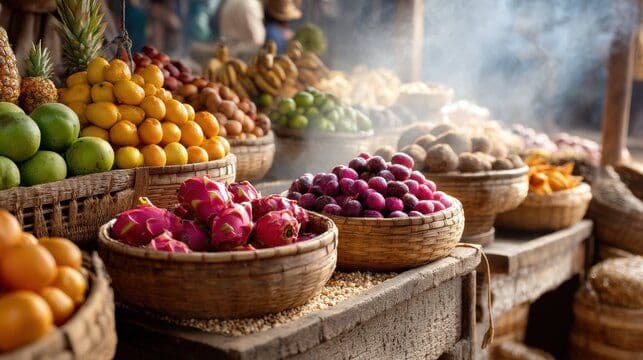
The closest thing to a "shopping district" in Armenia isn't a strip of branded stores. It's the local market area where vendors sell produce, cured meats, and handmade goods under open-air canopies. You're 41 km from San Salvador and 27.8 km from Santa Tecla, sitting at 515 m on the northern skirts of Hill Nanahuatzin. The town is small—population around 34,912 according to the 2007 census—but the market is the heart of the local economy. This is where you buy what you need and nothing you don't.
What You'll Actually Buy
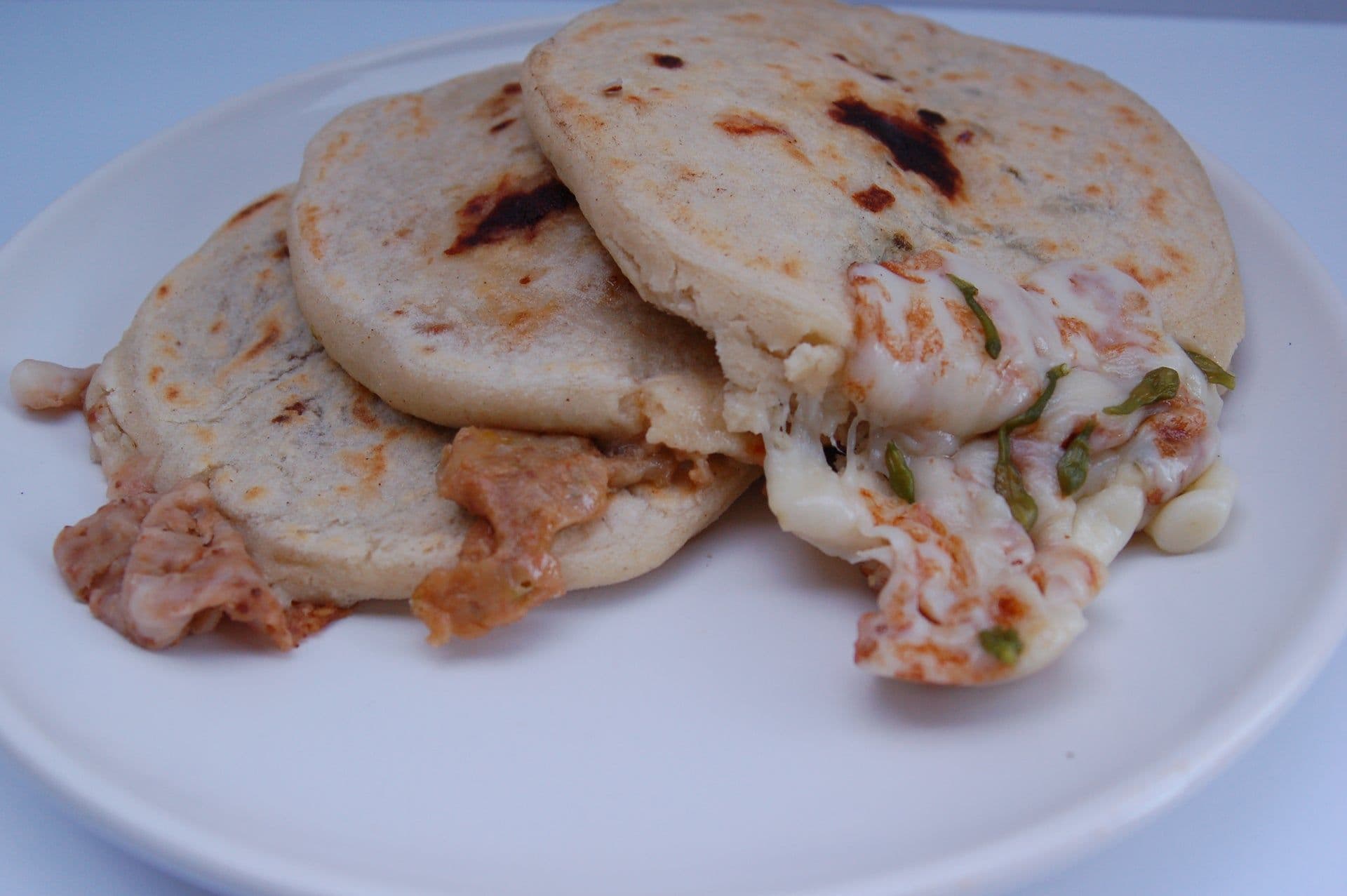
Forget the tourist traps. The market here deals in the essentials: fresh vegetables, local cheeses, and the staples that feed a rural town. You'll find pupusa vendors—hand-made corn or rice-flour tortillas stuffed with cheese, pork, beans, or loroco, topped with curtido and tomato salsa. It's not just food; it's a cultural artifact. You can also grab yuca con chicharrón (fried cassava with crispy pork) or fried pasteles (corn-dough half-moons filled with meat and vegetables). If you're looking for a souvenir, look for local textiles or crafts, but don't expect a dedicated "souvenir shop." The market is where the transaction happens.
Getting There
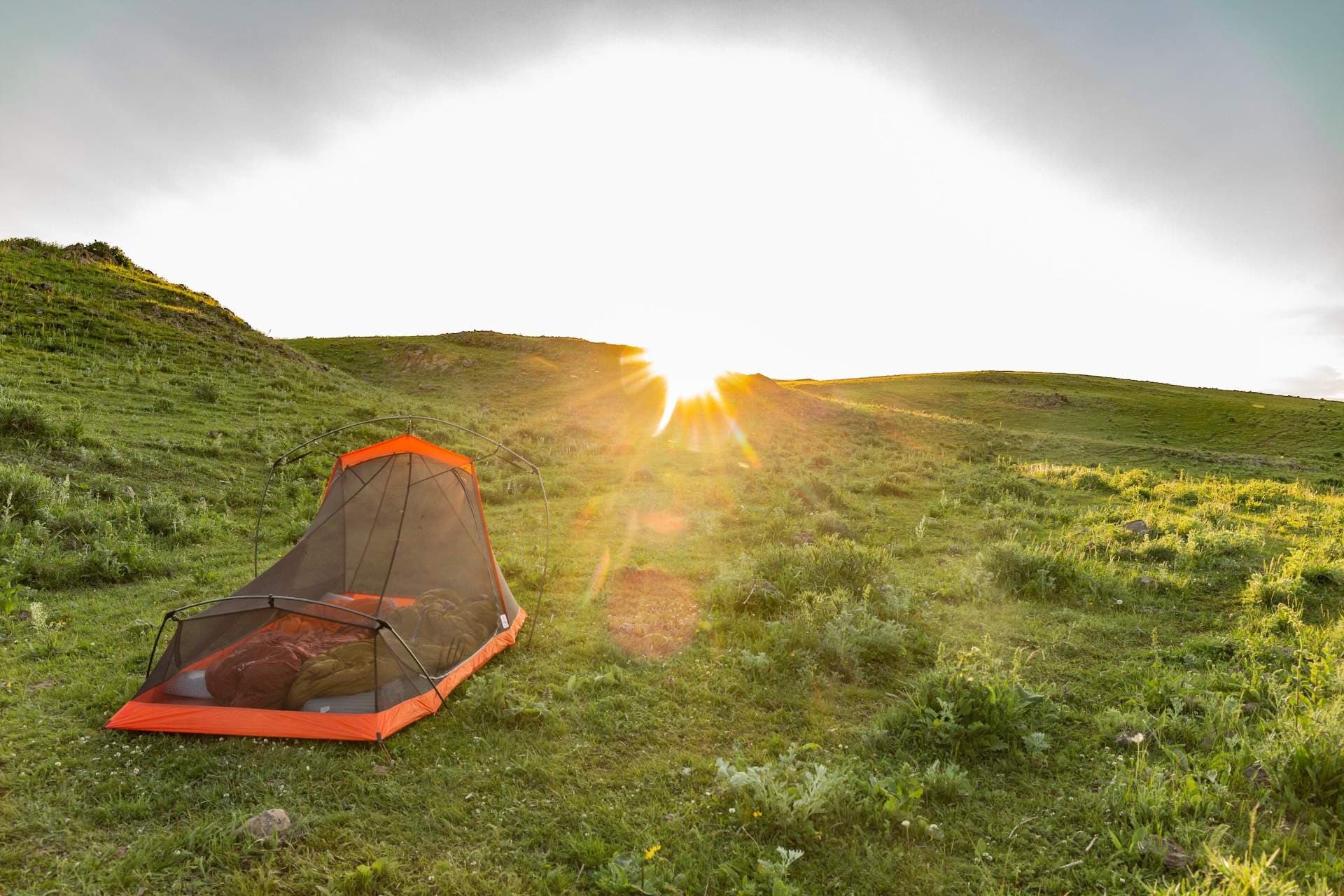
There's no rail line serving Armenia. You're driving or taking a bus. From San Salvador, it's a 41 km drive. From Santa Tecla, the route is 27.8 km via Paseo Concepción, 2a Avenida Norte, 2a Calle Poniente, CA-1, Carretera Sonsonate, CA-8, Avenida 3 de Abril, SON 03. Fares aren't widely published, so budget for a shared van or taxi. The roads are decent but hilly. The elevation at 515 m means cooler air and a different light quality than the coastal lowlands.
Local Flavor & Etiquette
Armenia is the hometown of Carmen Branon (poet Claudia Lars) and is associated with Pancho Lara, author of "El Carbonero." Rosa de Saint Exupéry, wife of the French writer Antoine de Saint-Exupéry, is also connected to the town. These literary ties give the place a quiet, intellectual vibe. When shopping, haggling is common but keep it friendly. Vendors appreciate a smile and a few words in Spanish. For lunch, try sopa de res—beef soup with corn, carrots, yuca, cabbage, plantains, and zucchini. For a weekend hangover cure, mondongo (cow's tripe, tendons, and cartilage with spices) is the local staple. Dessert? Empanadas—ground plantain balls stuffed with vanilla custard or beans, served with coffee.
When to Go
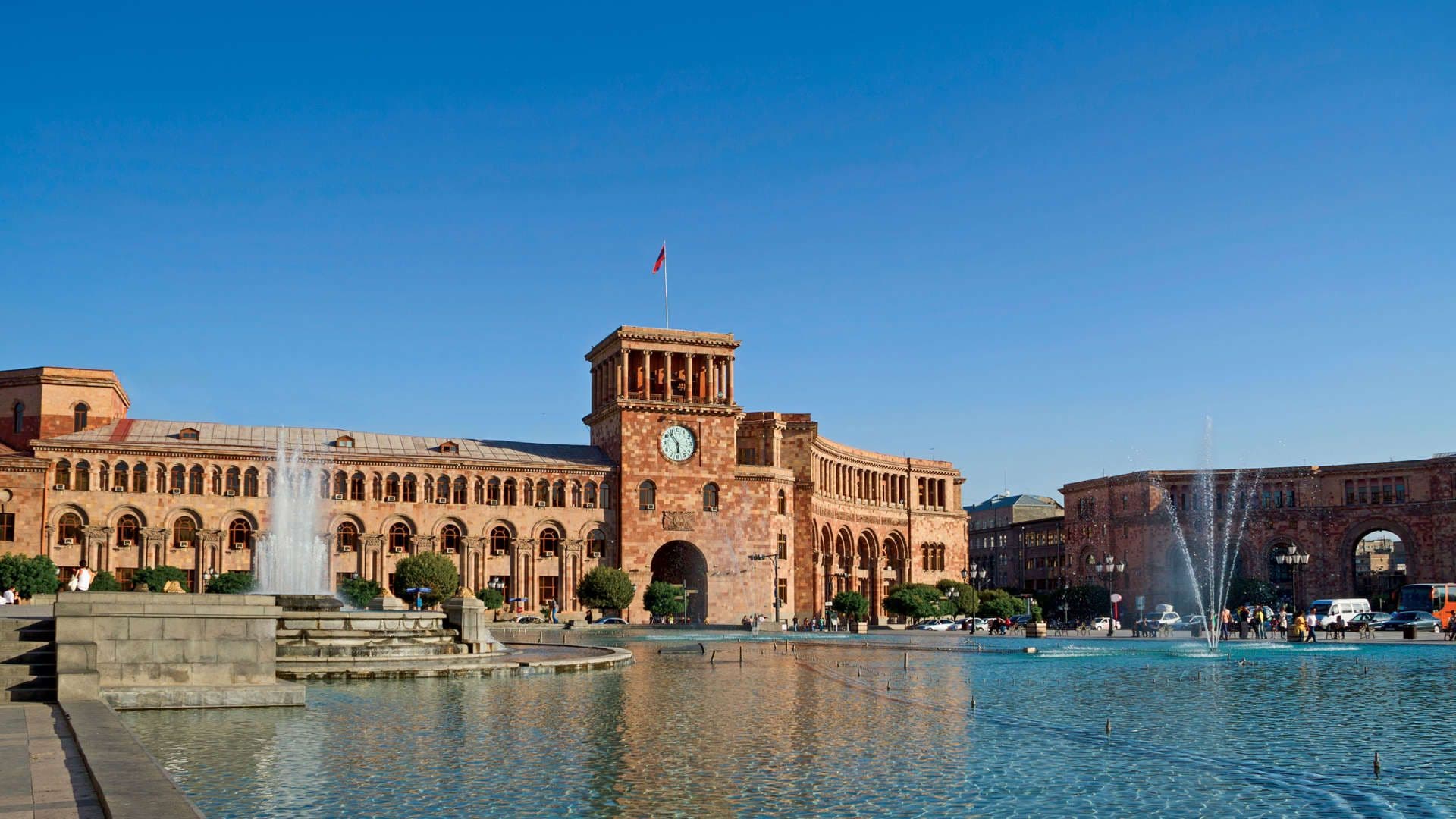
The best time to visit Armenia is during the dry season, typically from December through April. The town is small, so crowds are manageable, but holidays spike demand. All Souls' Day (November 2, 2026) is only five weeks away. Expect higher demand, surge pricing, and heavier crowding at the market. Book accommodation and transport early if you're planning to be there around that date. Christmas Day (December 25, 2026) and New Year's Day (January 1, 2027) will also bring more visitors. The cooler highland air at 515 m makes the dry season comfortable for walking the market stalls. For solo travelers or slow-travelers, this is a place to linger.
Quick FAQ
Do I need a visa? Most tourists from North America and Europe can enter El Salvador visa-free for short stays (usually up to 90 days). Check your passport rules before you fly.
How do I get from San Salvador to Armenia? Drive 41 km. Shared vans and taxis run frequently. From Santa Tecla, it's 27.8 km by road.
What should I budget for food? A meal at the market stalls runs around $3–$5 USD for pupusas or soup. Souvenirs and crafts vary, but expect to pay fair prices for handmade goods.
The market in Armenia isn't about luxury. It's about the transaction, the taste, and the hillside view. That's the real shopping district.