Skip the Accra crowds. In Anloga, a $65 night buys you the seat of Anlo State, fresh kenkey, and the quiet rhythm of the Volta coast.
The Seat of Power
Anloga serves as the traditional, ancestral, and spiritual capital of the Anlo Ewe people. Situated in the eastern Volta Region, the town houses the seat of the Awormefia, the paramount chief of Anlo State. This title carries weight beyond Instagram captions; it governs land, lineage, and the social fabric of the community. Walking the streets here means moving through a living political and cultural center rather than a mere tourist enclave. The distinction matters because it dictates the pace. Frantic nightlife designed to extract your last cedi before dawn doesn't exist here. Instead, the energy is communal, rooted in family structures and traditional authority that have persisted for centuries. For the traveler, this creates a stay that feels grounded, safe, and distinctly different from the neon-lit hustle of Accra.
Where to Stay
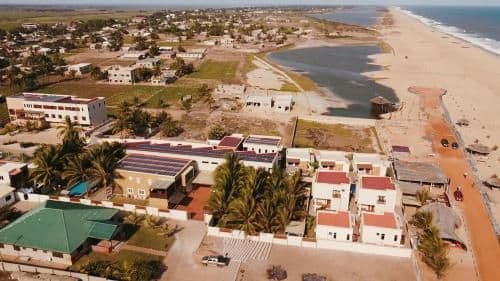
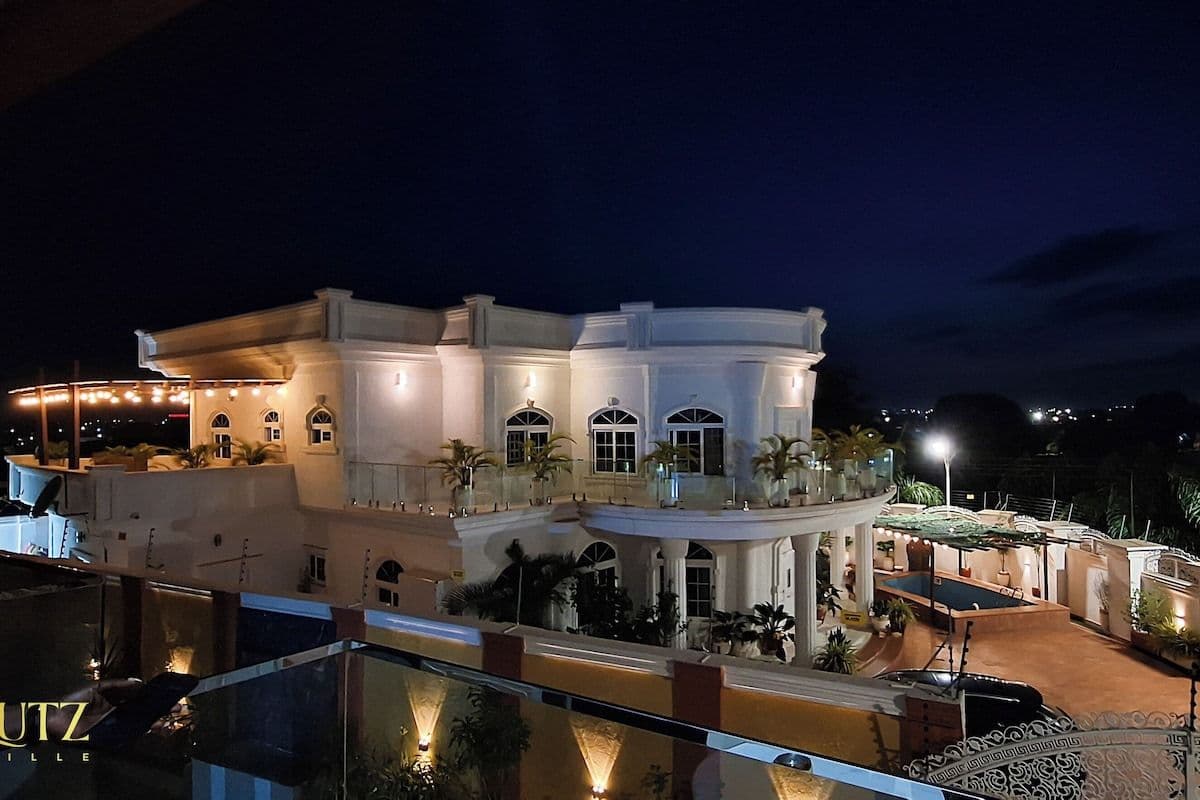
Finding a 3-star property in Anloga requires managing expectations. The inventory is small, which keeps prices interesting but availability tight during peak periods. According to recent aggregator data, 3-star rooms in Anloga start at approximately US$65 per night. However, the range is wide; some listings dip as low as US$17 for basic accommodations, while premium rooms can hit US$167–172 depending on the season and property.
Most of the mid-range options cluster around the main commercial areas, offering a balance of comfort and accessibility without the luxury markup of the beachfront resorts found further north in Keta.
- The Mid-Range Standard: Expect a clean room, a private bathroom, and air conditioning. At the US$65 baseline, you are paying for reliability. These properties often include breakfast and are centrally located, allowing you to walk to local markets and eateries.
- Budget-Friendly Options: If you are flexible on amenities, properties listed around US$17–30 offer the essential shelter. These are often guesthouses or smaller lodges. They may lack pool facilities or elaborate decor, but they provide a legitimate base for exploring the region.
- Refundability: A notable perk in this price bracket is flexibility. Many 3-star bookings in Anloga are fully refundable, a crucial advantage given the variable nature of coastal weather and travel plans.
Check cancellation policies carefully. While many rooms are refundable, the cheapest rates usually come with stricter terms. If your itinerary includes a potential shift between Anloga and nearby towns like Keta, securing a refundable rate saves you from financial headaches.
Eating Like a Local
The food in Anloga is a direct reflection of its Ewe heritage. Generic continental menus don't appear here. The staples are fermented, hearty, and deeply flavorful.
Kenkey is the undisputed king of the menu. This fermented maize dumpling is served with fried fish and a spicy pepper sauce, often accompanied by shito (a dark, pungent condiment). It is messy, wet, and absolutely delicious. Expect to pay a modest amount for a plate that will fill you for hours.
Banku is another staple, a fermented corn-and-cassava dough that pairs well with light soups or stews. It’s chewier than kenkey and has a distinct tanginess that cuts through rich flavors.
For the Ewe-specific experience, look for Ayikple, a traditional dish made from roasted corn flour or maize dough. It’s less common on tourist menus but widely prepared by local cooks in the Volta Region. Akple & Fetri Detsi is also worth seeking out; this combination of fermented corn dough and a peanut-based stew, often topped with smoked fish and dried shrimps, is a signature of the region.
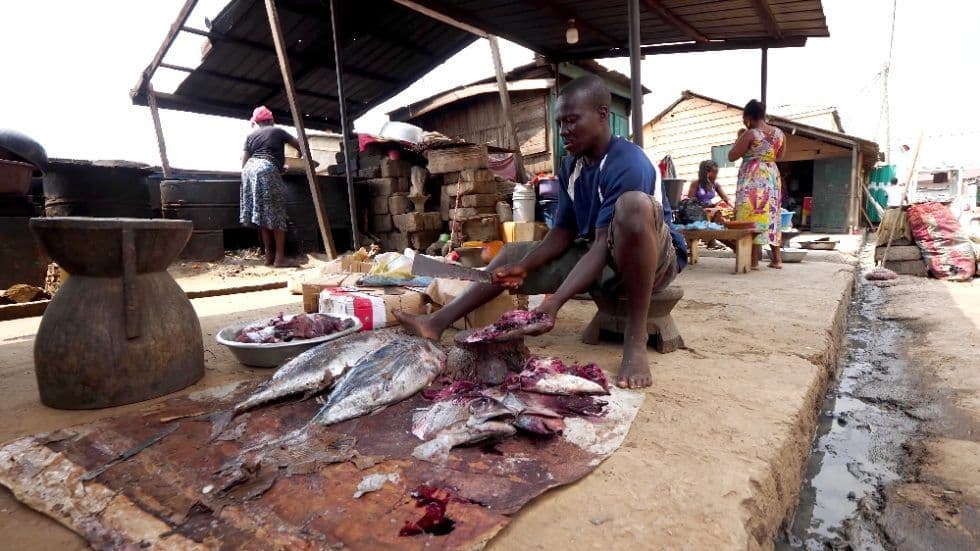
Dining out is affordable. Street vendors and local restaurants serve these dishes at prices that won’t break the bank. The taste of fresh fish is a hallmark of the coastal east, so prioritize establishments that highlight seafood on their daily specials.
Getting Around & Practicalities
There is no railway station in Anloga. Ghana’s national rail network is concentrated in the southern half of the country, leaving the eastern Volta Region reliant on road transport. To get from Accra, you will take a bus, hire a car, or use a taxi. The journey is a road trip.
Exact journey times and fares vary significantly based on traffic conditions and the specific operator. While some aggregators list rail options via connections, these require transfers and are rarely the most efficient choice for a direct trip to Anloga. Road travel is the standard. Buses from Accra are frequent, though they may make stops along the way. If you prefer speed and privacy, hiring a car with a driver is a viable option, though it comes at a higher cost.
Once in Anloga, distances are manageable. The town is compact enough that walking is feasible for many errands. Local taxis are available for longer trips within the town or to nearby attractions. Always agree on the fare before getting in. The "Keta–Anloga Enclave" area is marketed for its natural beauties, suggesting that day trips to nearby beaches or nature spots are part of the local tourism mix.
When to Go
Timing your visit to Anloga involves balancing weather, holidays, and crowd levels. The summer months (June–August) bring the rainy season, which can mean heavy downpours but also lush landscapes and fewer tourists. If you prefer drier conditions, the harmattan period (December–February) offers clearer skies, though the air can be dusty.
Upcoming holidays will impact availability and pricing:
- Kwame Nkrumah Memorial Day (Sept 21, 2026): Falling in about four weeks, this is a significant national holiday. Expect higher demand for accommodation and potential price surges. Book early if you plan to travel during this window.
- Farmer’s Day (Dec 4, 2026): A local celebration that may see increased activity in rural areas, but likely minimal impact on urban hotel rates in Anloga.
- Christmas & New Year (Dec 25–Jan 1, 2026): The festive season is peak time for travel in Ghana. Prices will be at their highest, and rooms will sell out fast. If you want a quiet retreat, avoid this window.
For solo travelers, families, or slow travelers, Anloga offers a relaxed pace. Two to three nights is sufficient to explore the town, enjoy the food, and perhaps take a day trip to the nearby coast. It is an ideal destination for those looking to escape the intensity of larger cities and immerse themselves in traditional Ewe culture.
Frequently Asked Questions
Is Anloga safe for tourists? Yes, Anloga is generally considered safe. As the seat of a traditional chief, social order is maintained through both community norms and law enforcement. As with any travel destination, exercise standard precautions: keep valuables secure, avoid walking alone at night in unlit areas, and use reputable transport services.
Do I need a visa to enter Ghana from my country? Visa requirements depend on your nationality. Many Western and Asian citizens require a visa to enter Ghana, which can often be arranged online or upon arrival depending on the specific agreement. Always check the latest requirements with your local embassy or consulate before booking flights.
What currency is used, and is cash necessary? The Ghanaian Cedi (GHS) is the local currency. While cards may be accepted at larger 3-star hotels, cash is king in local markets, street food stalls, and small taxis. Withdraw cash from ATMs in Accra or larger towns before heading to Anloga, as ATM availability in smaller towns can be limited or unreliable.