Đam Rong is Vietnam's coffee heartland, not a hub. Plan your business trip around the farms, not the flights, and you'll get more done with less friction.
Why Đam Rong Works for Business
Đam Rong is a district in Lâm Đồng Province, perched in the Central Highlands of Vietnam at an elevation that keeps its climate cool enough to grow robusta coffee without the heat stress that plagues lower-altitude regions. The district’s economy runs on agriculture, and the "business" you are likely doing here involves supply chains, farm visits, or agricultural trade negotiations.
If you are flying into Da Nang or Ho Chi Minh City for a meeting in Đam Rong, you are making a logistical error. The drive from Da Nang is roughly four to five hours over mountain roads. The drive from Ho Chi Minh City is similar, if not longer. The only way this makes sense is if your business is specifically tied to the coffee industry, the local agricultural cooperatives, or the forestry sector that defines the district's output. For general corporate travel, Đam Rong is a destination, not a base. You come here for the product, not the infrastructure.
Getting There and Around
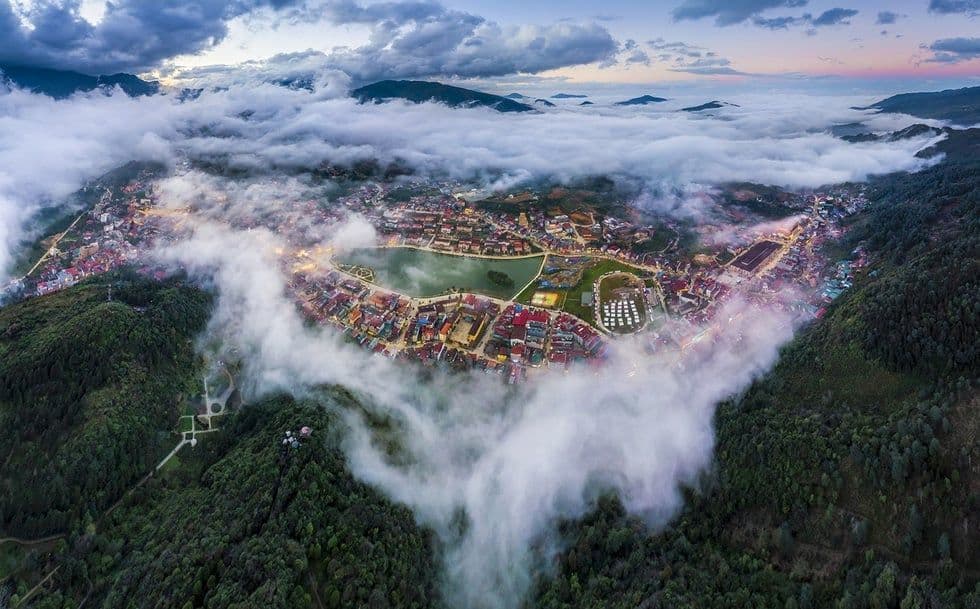
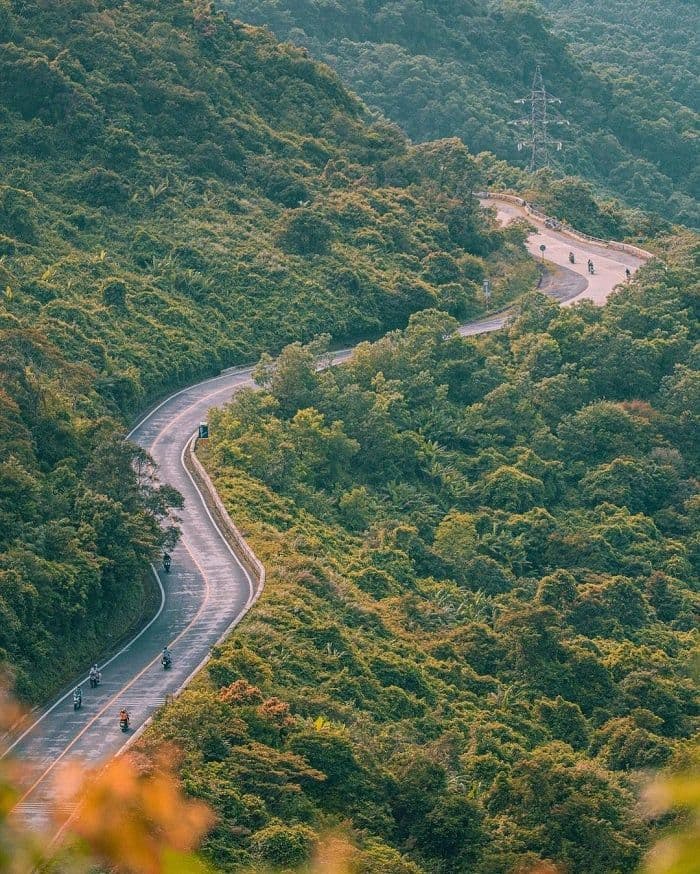
There is no commercial airport in Đam Rong. You will land in Da Nang or Ho Chi Minh City and drive. The road conditions in the Central Highlands are improving, but they are not the smooth, high-speed expressways you find near Hanoi or HCMC. Expect winding mountain passes, occasional construction, and a drive time that can stretch if you hit traffic or weather delays.
Within the district, public transport is sparse. You will likely need a hired car with a driver. This is standard for business travel in rural Vietnam. The cost will be higher than a taxi in a major city, but it is the only reliable way to move between farm sites, processing facilities, and the district center. Do not attempt to navigate the local bus system with luggage and a tight schedule. It is not designed for it.
Where to Stay
There are no major international hotel chains in Đam Rong. Your options are local guesthouses, small boutique hotels, or homestays. Prices are significantly lower than in Da Nang or HCMC. You can expect to pay the equivalent of $20–$50 USD per night for a clean, comfortable room with air conditioning and hot water.
The district center is the most logical base. It is close enough to the main roads and has a concentration of restaurants and shops. If your business involves farm visits, you may prefer a homestay in a coffee-growing village. This gives you a direct line to the people you are meeting and a more authentic experience of the local rhythm. Book ahead, especially if you are traveling during the harvest season. The local hospitality industry is not as formalized as in the cities, so confirm your booking by phone or email before you arrive.
Food and Business Etiquette
You will eat well in Đam Rong. The local cuisine reflects the Central Highlands: grilled meats, fresh vegetables, and rice. Coffee serves as a cultural anchor in the region. Expect to be offered strong, dark robusta coffee during meetings. It is a sign of respect and hospitality. Refusing it politely is acceptable, but accepting it is the better move.
Business etiquette in rural Vietnam is less formal than in the cities. Handshakes are common, but a slight nod or a hand over the heart is also appropriate. Dress is business casual, but you may need to adjust for the environment. If you are visiting farms, wear closed-toe shoes and long pants. The terrain is uneven, and the weather can be unpredictable.
When to Go and Who It's For
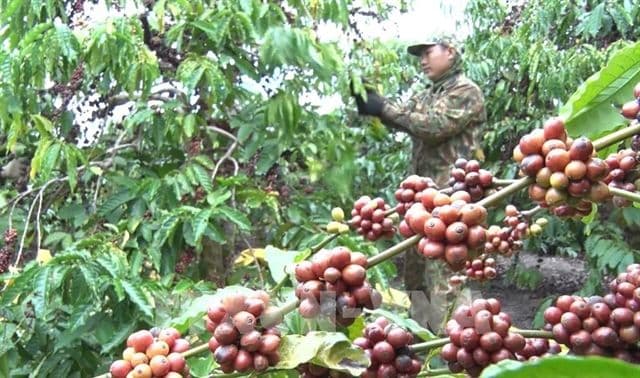
The best time to visit Đam Rong for business is during the coffee harvest, which typically runs from September to December. This is when the district is most active, and you will have the most opportunities to see the supply chain in action. The weather is cool and dry, making it comfortable for outdoor work.
Avoid the rainy season, which can make roads treacherous and delay travel. If you are not tied to the harvest, the dry season from February to August is also good. The district is quiet, which is good for focused work, but you will have fewer people to meet.
Đam Rong is not for the typical business traveler who wants a hotel with a gym, a conference room, and a 24-hour reception. It is for the specialist. If your work is in agriculture, forestry, or rural development, this is the place. If it is not, save your time and money for Da Nang or HCMC.
FAQ
Do I need a visa to enter Vietnam for business? Yes. Most nationalities require a visa. You can apply for a business visa (DN1 or DN2) at a Vietnamese embassy or consulate, or use an e-visa if your nationality is eligible. Check the latest requirements before you travel.
Is it safe to travel alone in Đam Rong? Yes. The district is rural and generally safe. However, you should still take standard precautions: keep your valuables secure, use reputable transport, and let someone know your itinerary.
What is the currency? The Vietnamese Dong (VND). Credit cards are not widely accepted in rural areas. Carry cash. ATMs are available in the district center, but they can run out of cash or have long queues. Withdraw money in Da Nang or HCMC before you arrive.