The air in Alaïli Ḏaḏḏa‘ carries a distinct, earthy perfume long before you spot the first roastery. It is a blend of dark roasted beans, cardamom, and the dry heat rising off the Horn of Africa. In this quiet corner of Djibouti, coffee is not merely a morning stimulant for commuters; it is the social lubricant, the diplomatic tool, and the central rhythm of daily life. For travelers visiting in spring, when the temperatures are warm but not yet scorching, experiencing the local buna ritual offers a window into a culture that values connection over speed.
Djibouti sits at a crossroads of trade routes, and its coffee culture reflects that intersection. While the country imports much of its green beans, the preparation methods remain deeply rooted in Ethiopian and Somali traditions. The ceremony is slow, deliberate, and communal. You do not grab a cup and run. You sit. You wait. You share. This guide explores how to navigate these coffee customs, where to find the best brews in Alaïli Ḏaḏḏa‘, and what to expect when you are invited into a local home.
The Buna Ceremony: Patience as Hospitality
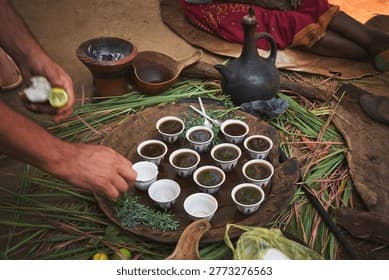
To understand coffee in Alaïli Ḏaḏḏa‘, you must first understand the buna ceremony. This is a traditional preparation method that can take up to an hour to complete. It begins with washing and roasting green coffee beans in a large, long-handled pan called a menkeshkesh. The roasting happens right in front of the guests. The aroma is intense, filling the room with a smoky, nutty scent that signals the start of the gathering.
Once the beans are roasted to a deep mahogany color, they are ground by hand using a mortar and pestle known as a mukecha. The grinding is rhythmic, a steady pounding that serves as a background beat to the conversation. The grounds are then brewed in a clay pot, the jebena, which is heated over charcoal embers. The coffee is poured from a height, creating a frothy head that is considered the best part of the cup.
There are three rounds of coffee, each with a specific name and strength. The first round, Abol, is the strongest and most concentrated. It is thick, dark, and intense. The second round, Tona, is brewed with the same grounds but with added water, making it lighter and smoother. The third round, Baraka, is the weakest, often described as having the blessing of the previous two. Refusing any of the three rounds is considered rude. Even if you are not a heavy coffee drinker, partaking in all three is a sign of respect for your host.
Where to Brew: Cafés and Social Hubs

While home ceremonies are the heart of the culture, Alaïli Ḏaḏḏa‘ has a growing number of small cafés and tea houses that cater to both locals and visitors. These spaces are often simple, with plastic chairs, small tables, and a central focus on the coffee preparation area. Look for establishments near the main market districts or along the residential streets where community life unfolds.
One notable spot in the area is a small, family-run café tucked near the neighborhood mosque. Here, you can observe the daily ritual of men gathering in the late afternoon to discuss politics, sports, and family news over endless cups of coffee. The atmosphere is relaxed, with the hum of conversation mixing with the clinking of small glass cups. Prices are incredibly low, often just a few hundred Djibouti francs for a cup, making it an accessible experience for any traveler.
For a slightly more modern twist, some newer cafés in the outskirts of Alaïli Ḏaḏḏa‘ blend traditional buna with contemporary espresso machines. These hybrids appeal to younger Djiboutians who appreciate the ritual but also enjoy the convenience of a quick latte. However, the traditional spots remain the most authentic. Seek out places with a jebena visible on the counter and a line of small, handle-less cups ready for pouring.
Etiquette and Invitations: Navigating Social Norms
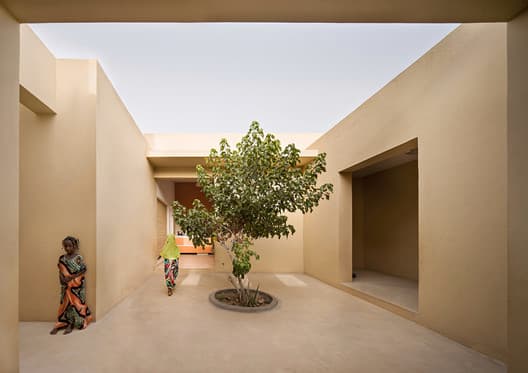
Being invited to a home for coffee is a significant honor in Djibouti. It signifies trust and a desire for deeper connection. If you are invited, accept graciously. Arrive on time, but do not rush. Punctuality is respected, but the event itself is designed to stretch out. Bring a small gift, such as sweets, fruits, or spices, as a token of appreciation. It is customary to wash your hands before the ceremony begins, often with water provided by the host in a decorative ewer.
During the ceremony, observe the host’s cues. Do not reach for the cup until it is offered to you. The host will pour the coffee, often starting with the eldest or most honored guest. When the cup is placed in front of you, take a small sip. It is polite to praise the coffee, noting its aroma and strength. Silence is comfortable during the pouring, but conversation flows freely between rounds.
If you are unfamiliar with the taste, know that traditional buna is often served with salt rather than sugar, especially in the first round. This might seem unusual, but the salt enhances the flavor of the beans and cuts the bitterness. Do not be alarmed; it is a regional preference that highlights the coffee’s natural notes. If you prefer sweetness, wait for the second or third round, or ask if sugar is available, though adding it to the first round is less common.
Pairings: Food and Flavors

Coffee in Alaïli Ḏaḏḏa‘ is rarely consumed alone. It is typically accompanied by popcorn, which is sprinkled with salt and sugar, or by small bites of bread and cheese. Popcorn is the classic pairing, providing a crunchy contrast to the smooth, liquid coffee. The act of eating popcorn while sipping coffee is a sensory experience that defines the ritual.
Local bakeries often sell khubz, a flatbread that is perfect for dipping or tearing into pieces to soak up any spilled coffee. Some hosts may also offer gored, a spicy meat dish, or lamb in coconut milk, especially for more formal gatherings. However, for a casual coffee visit, the focus remains on the drink and the popcorn. The simplicity of the pairing ensures that the coffee remains the star of the show.
Seasonal fruits are also common, particularly in spring when mangoes and citrus are fresh. A slice of mango with a strong cup of Abol creates a sweet and sour balance that is refreshing in the warm weather. These pairings are not just about taste; they are about sharing. The host will often distribute the popcorn and fruit, ensuring that everyone has a bite to accompany their drink.
Practical Tips for Spring Visitors

Spring in Djibouti is characterized by warm days and cooler nights, with temperatures ranging from the mid-20s to low 30s Celsius (77–86°F). This makes it an ideal time for outdoor coffee gatherings. Many cafés and homes set up seating in courtyards or on rooftops to enjoy the evening breeze. Dress modestly and comfortably, respecting local customs. Light, breathable fabrics are best, but cover your shoulders and knees, especially when visiting homes or religious sites.
Hydration is key. While coffee is a diuretic, the dry climate can be dehydrating. Drink plenty of water throughout the day, and do not rely solely on coffee for hydration. Carry a reusable water bottle and refill it at trusted sources. Many cafés provide water alongside coffee, so take advantage of it.
Finally, engage with your hosts. Ask questions about the beans, the roasting process, and the local traditions. Djiboutians are proud of their coffee heritage and are eager to share it. A genuine interest in the culture will open doors and lead to more meaningful connections. Whether you are in a bustling café or a quiet home in Alaïli Ḏaḏḏa‘, the coffee is just the beginning. The real gift is the time spent together, savoring the moment, one slow cup at a time.