Skip the Dubai crowds. Fujairah offers direct mountain access, a 16th-century fort, and a coastline that remains strictly utilitarian.
The drive from Dubai to Al Fujairah covers approximately 107 to 122 kilometers. At a steady pace, you arrive in one hour and twenty-one minutes to one quarter. The cost is minimal—roughly $6 to $9 for shared transport or a basic ride-share. This destination serves those seeking raw geography and functional heritage rather than curated spectacle. You come here because the Hajar Mountains rise directly off the coast, and because the infrastructure allows you to see them without waiting in traffic.
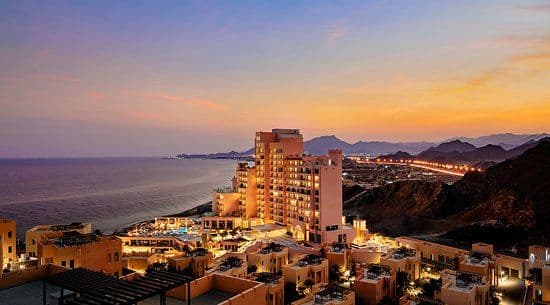
The Historical Core
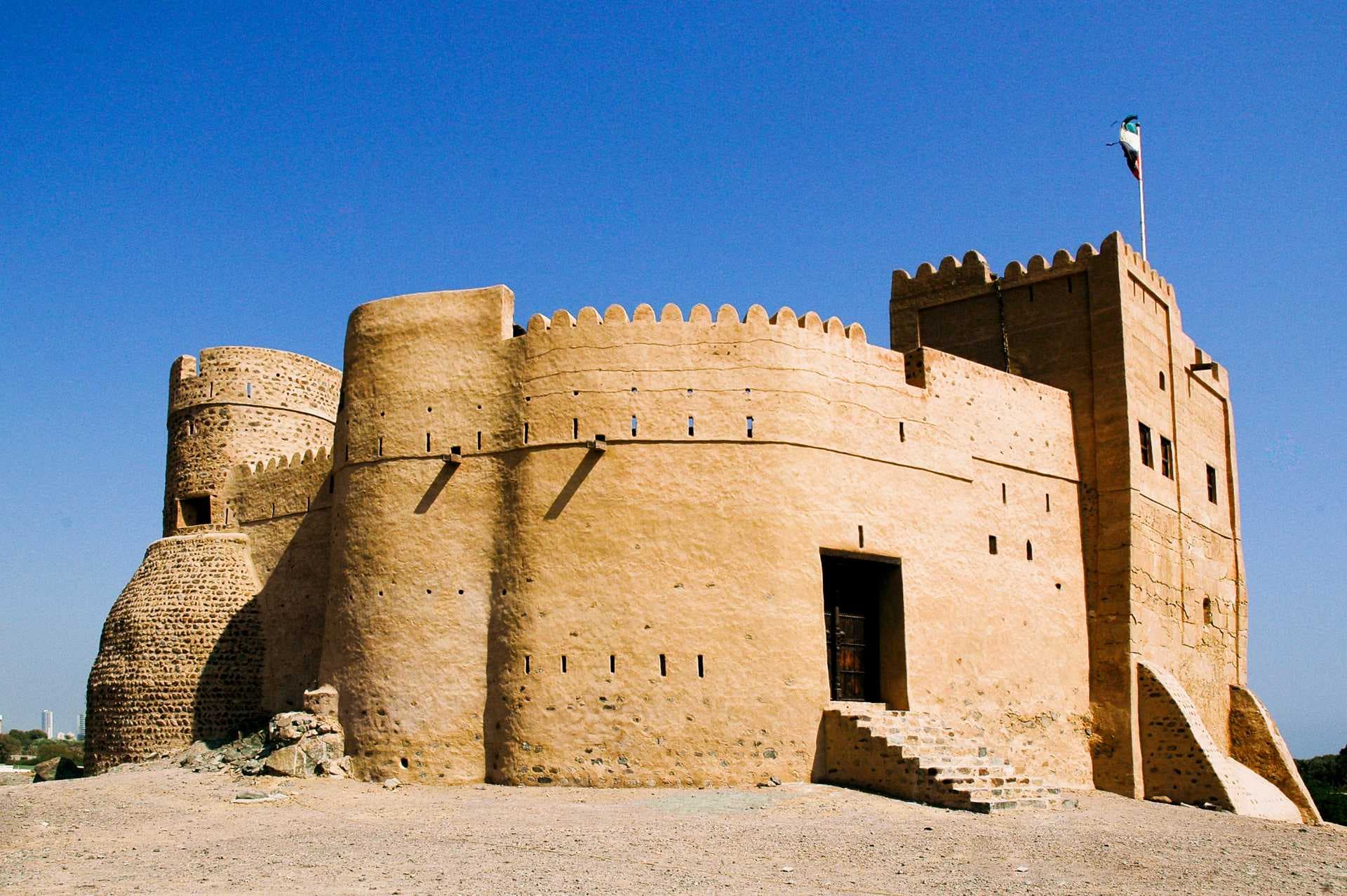
Fujairah Fort, also known as Fujairah Castle, defines the city’s historical spine. Dating to the 16th century, it stands approximately 20 meters above sea level. The structure is one of the oldest and largest forts in the United Arab Emirates. Its position is strategic: it overlooks the harbor and the approach to the city.
Directly adjacent to the fort is the Fujairah Museum. The proximity is intentional. You examine the defensive architecture of the castle, then step into the museum to understand the trade and tribal dynamics that necessitated such fortification. The transition is seamless. There is no wasted space. The fort functions as a preserved administrative center. The walls are thick, the stone is weathered by salt air, and the views from the ramparts offer a clear line of sight to the Fujairah Heritage Village nearby.
Coastal Utility
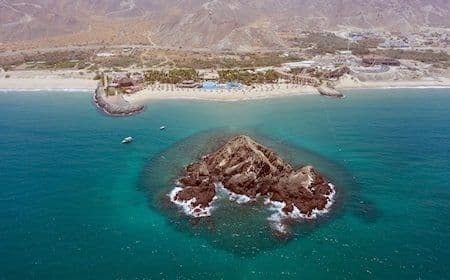
The coastline in Al Fujairah is defined by utility. Al Aqah Beach is the primary recreational strip. It operates as a public space where the sand meets the turquoise water of the Gulf of Oman. The water clarity is high, particularly in the early morning before the wind picks up.
Further north, the landscape shifts. The Fujairah Free Zone occupies the northern waterfront, marked by large oil-storage tanks. This is the industrial face of the emirate. It reminds visitors that Fujairah’s economy is rooted in logistics and energy storage, not just tourism. The contrast between the quiet beaches of the south and the heavy industry of the north is stark. You walk the corniche, and the visual shift is immediate. There is no pretense here. The city serves its function.
Mountain Access
The Hajar Mountains are the primary asset of this region. Unlike the coastal emirates where the desert dominates, Fujairah offers immediate vertical relief. Hiking trails lead directly from the city into the range. The elevation gain is significant, providing a physical challenge that contrasts sharply with the flat terrain of the Gulf coast.
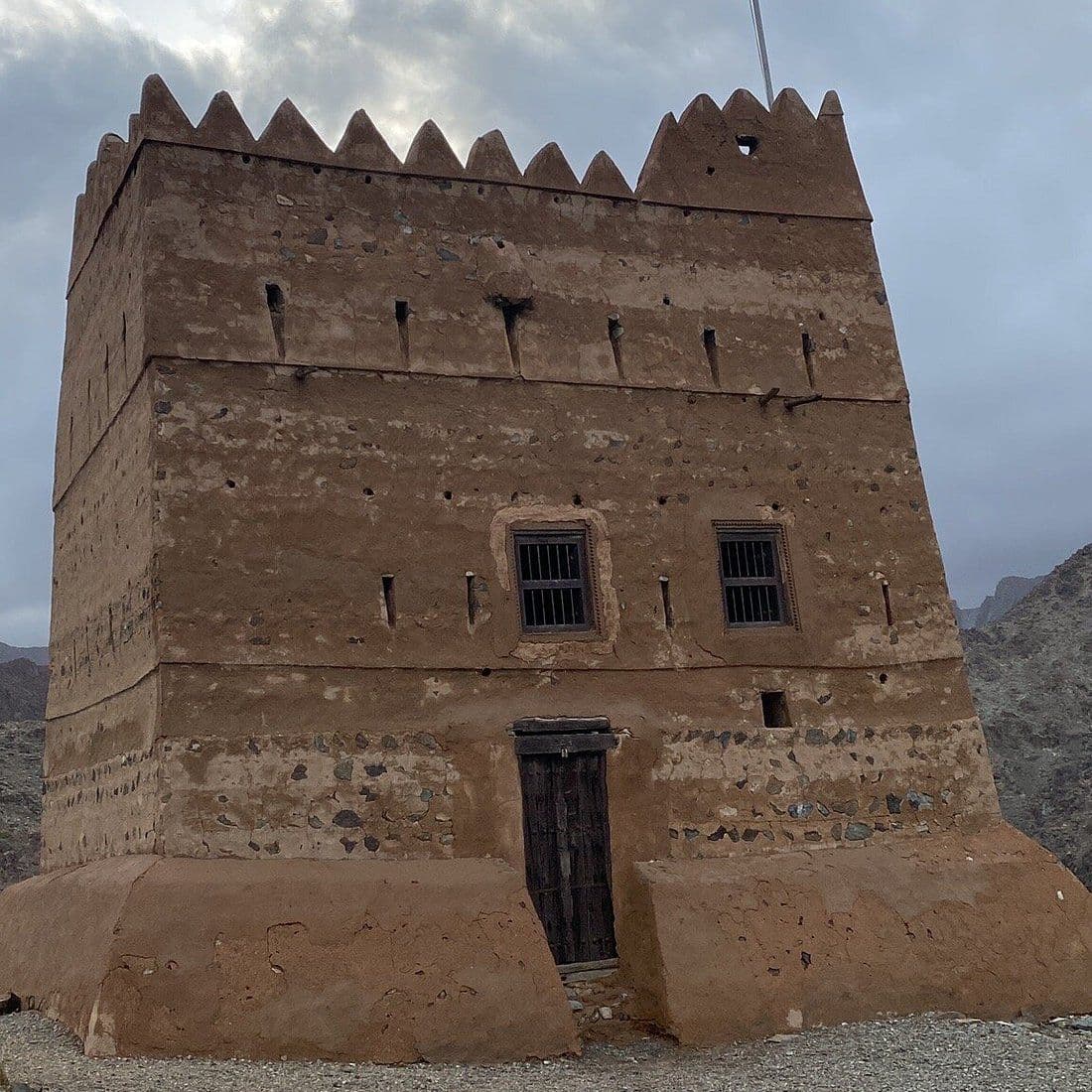
For those who prefer a more rugged exploration, Al Hayl Castle sits approximately 10 kilometers from the city center. Believed to date to 1830, this fort is accessible only by 4x4 vehicle. The road is unpaved and requires a capable drivetrain. This restriction ensures that the site remains uncrowded. You are not walking past tour groups. You are navigating a remote trail to reach a solitary stone structure in the mountains. The effort is the filter.
Ancient Foundations
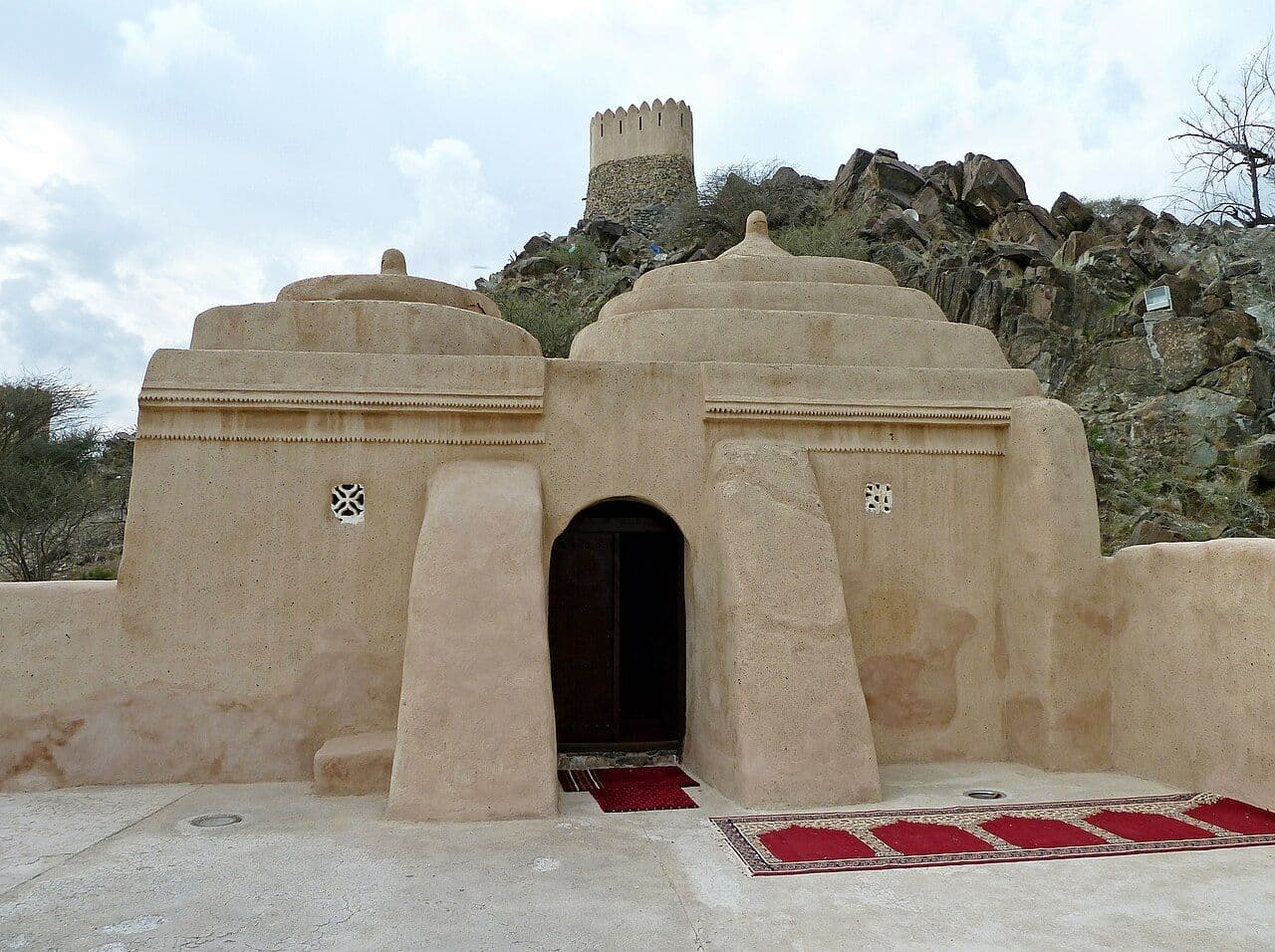
Before the forts, there was faith. Al Badiyah Mosque, located on the Fujairah–Dibba road near Khorfakkan beach, is widely regarded as the oldest mosque in the UAE. Its origins trace back to the early Islamic period. The structure is simple, built from local stone and coral. It lacks the ornate decoration of modern mosques. Instead, it offers a tangible connection to the region’s pre-oil era.
Visiting Al Badiyah requires a short drive out of the city center. The setting is quiet, away from the main commercial districts. The architecture is austere. The interior is cool and dim. It is a place for reflection, not performance. The presence of this mosque anchors the city’s history in a timeline that predates the modern nation-state by centuries.
Practical Logistics
Transportation is straightforward. There is no metro or rail service connecting Al Fujairah to the rest of the UAE. The road is the only link. From Dubai, the route is direct. If you are renting a car, ensure it is serviced; the roads are well-maintained, but the distance is non-trivial. Public transport options exist but are limited in frequency. For maximum flexibility, especially if you plan to visit Al Hayl Castle or the Hajar Mountains, a private vehicle is essential.
Currency is the UAE Dirham (AED). Credit cards are accepted in most urban establishments, but cash is advisable for smaller vendors or remote locations. Dress code should respect local norms, particularly when visiting religious sites like Al Badiyah Mosque. Modesty is expected. Shoulder and knee coverage is the baseline.
Timing and Audience
The best time to visit depends on your tolerance for heat. Summer temperatures are extreme, often exceeding 40°C (104°F). Outdoor activities like hiking the Hajar Mountains are impractical during midday in July and August. Early morning or late evening is the only viable window.
Upcoming holidays will impact availability. Prophet’s Birthday (estimated) falls on August 25, 2026. Expect higher demand and potential surges in local transport pricing during this week. National Day celebrations occur on December 2 and 3, 2026. These dates mark the end of the peak tourist season. Booking accommodation for these periods requires advance planning.
This destination suits travelers who value authenticity over comfort. It is ideal for solo explorers, history enthusiasts, and hikers. Families with young children may find the lack of dedicated tourist infrastructure challenging. However, the beach and museum offer safe, engaging environments. Stay for two to three days. One day is sufficient for the city center and fort. Two days allow for a mountain hike or a trip to Al Hayl Castle. Three days provide the leisure necessary to appreciate the slower pace of the emirate.
FAQ
How do I get from Dubai to Al Fujairah? The most common method is by car. The distance is approximately 107–122 km, taking 1 hour 21 minutes to 1 hour 15 minutes depending on traffic. Shared taxis or ride-share services are available for around $6–$9.
Is Al Hayl Castle accessible by regular car? No. Al Hayl Castle is approximately 10 km from the city center and requires a 4x4 vehicle to access due to the unpaved road conditions. Standard sedans or SUVs without all-wheel drive are not recommended.
What is the best time to hike in the Hajar Mountains? Avoid midday heat, especially during summer months (June–September). Early morning starts are essential. Winter months (November–March) offer the most comfortable conditions for sustained outdoor activity.