Evaluate the nightlife infrastructure of Lebanon’s southern hills. Three venues, zero rail, and a strict assessment of southern hospitality.
The Operational Context
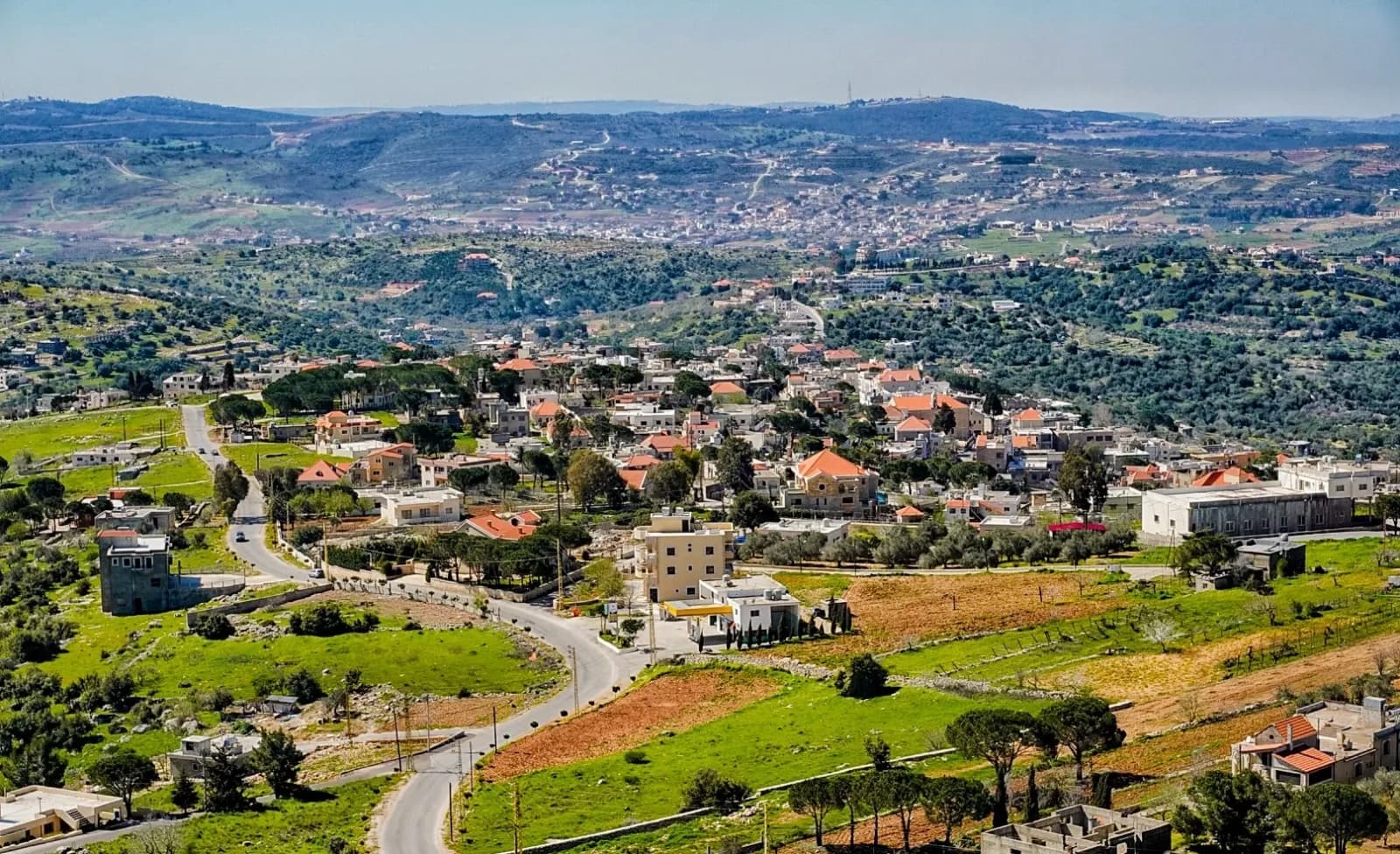
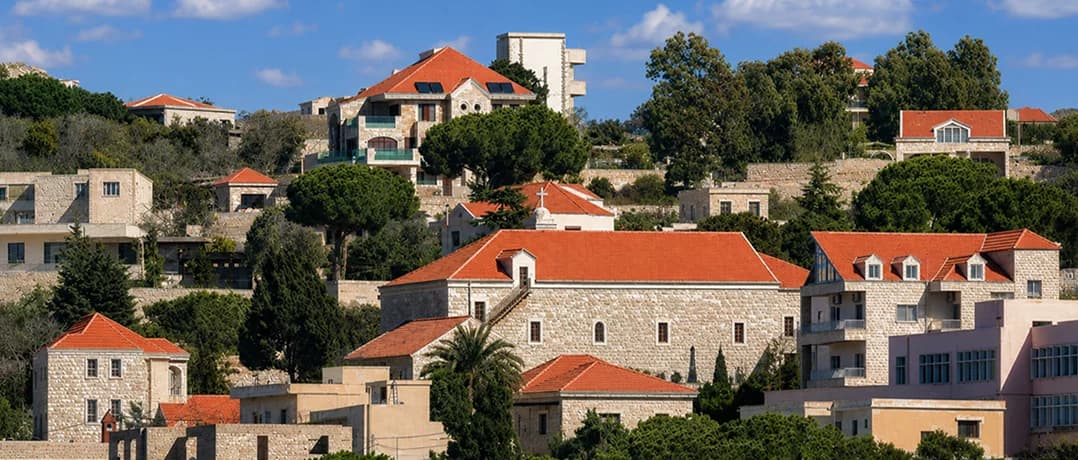
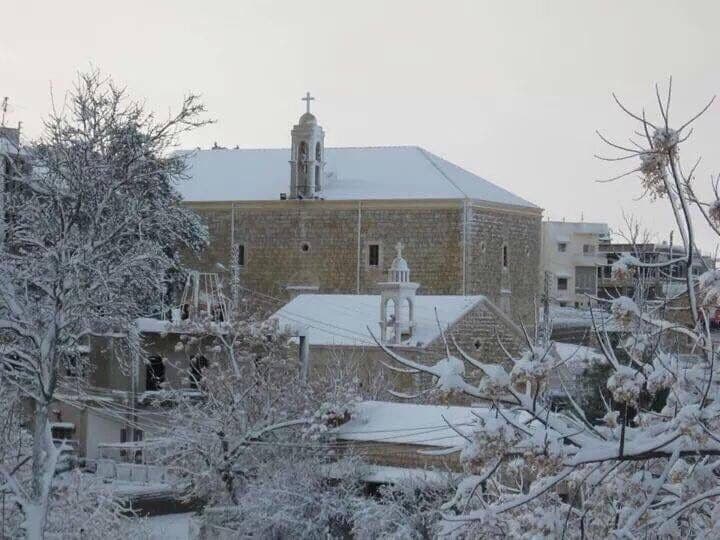
Ain Ebel sits in the Nabatieh Governorate, approximately 90 km south of Beirut. The municipality is predominantly Christian and occupies a position in the southern hills of Jabal Aamel. It is a rural municipality with a specific history; it was caught between Israeli and Palestinian fire from 1972 to 2000 and sustained significant damage during the July 2006 war.
The infrastructure reflects this reality. There is no railway line serving the village. Access is strictly via road. The nearest major urban node is Nabatieh. For the business traveler or the discerning visitor, the journey is defined by the drive, not the transit hub. You are measuring the distance in kilometers and fuel, not in ticket prices. The environment is controlled by the geography of the southern hills. The night here is quieter than Beirut’s, and the venues that exist are specific to the local demographic. You are auditing a village’s attempt at late-night recreation.
Venue Performance Review
The nightlife offering in Ain Ebel is limited to a handful of established operators. I have evaluated three specific properties based on their presence and described offerings.
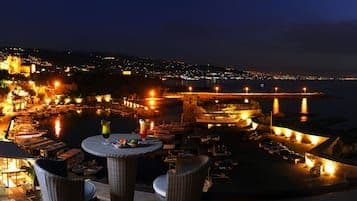
Soho Rooftop This venue is marketed as the primary destination for "night life" in Ain Ebel. The rooftop positioning suggests an emphasis on view and atmosphere rather than high-density clubbing. The contact number listed for reservations is +961 76 581 782. For a serious evaluation, you must assess the quality of the service against the rural backdrop. The expectation is a controlled, elevated social space.
Stark Bar & Lounge This establishment is described as a "new luxurious bar/lounge" with an inspiration drawn from Game of Thrones. The thematic branding is a specific choice, signaling a target audience interested in curated aesthetics rather than generic pub culture. The term "luxurious" in a rural context requires scrutiny. Does the interior symmetry match the exterior promise? The lighting and material finishes are the key metrics. If the theme is executed with precision, it becomes a distinct asset. If it is sloppy, it is a liability.
Route 66 Pub & Eatery The name suggests an American-style influence, likely focusing on food and a relaxed drinking environment. In a village with limited dining options, the eatery component is critical. The quality of the kitchen determines the longevity of the visit. If the food is mediocre, the venue fails its primary function as a destination for the late hours.
Logistics and Access
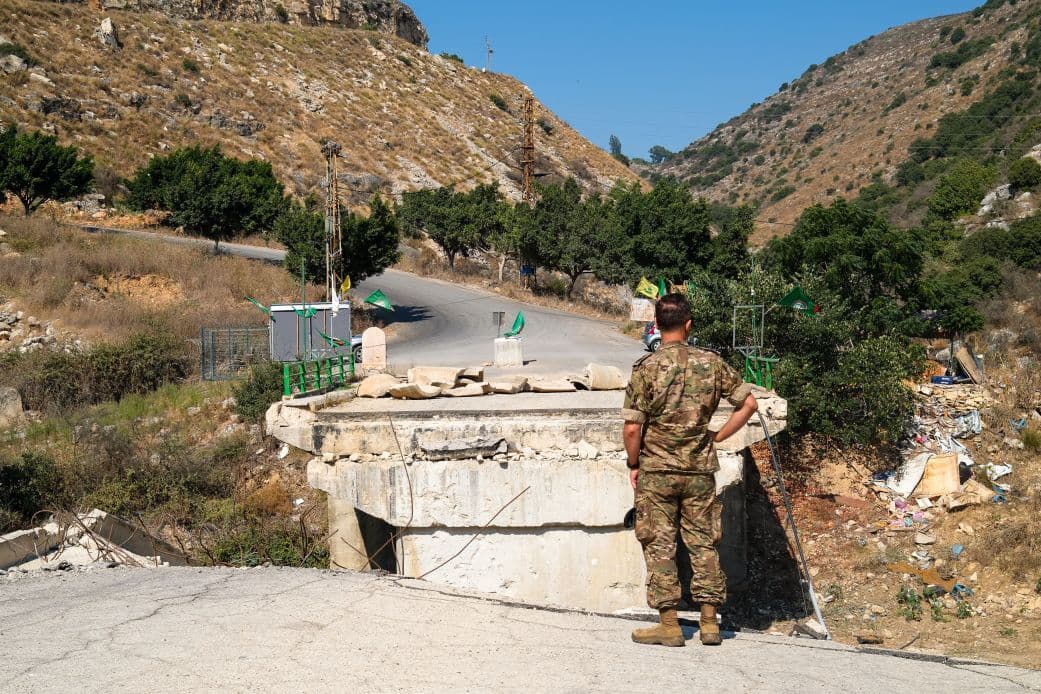
Transport to Ain Ebel is a logistical exercise in road travel. The distance from Beirut is roughly 90 km. There are no confirmed rail connections. You must plan for a private vehicle or a hired driver. The road network connects the southern border towns, such as Rmeish and Hanin, to the interior. Recent official visits by Lebanese ministers to these border areas confirm the road access from the Tyre direction.
For the business traveler, this implies a lack of flexibility. You cannot simply "take the train." You must schedule the drive. The journey time will vary with traffic and road conditions, but the core fact remains: you are driving into a rural municipality. There is no airport in Ain Ebel. You will likely fly into Beirut or Rafic Hariri International Airport and then drive south. The final leg of the journey is the most critical. The transition from the highway to the village roads marks the shift from infrastructure to locality.
Culinary and Social Protocol
No specific traditional dish unique to Ain Ebel has been confirmed in available sources. The culinary landscape is represented by general restaurant dining near the village. The venues listed above, particularly Route 66, likely offer standard Lebanese fare alongside their specific thematic offerings. Do not expect a unique local specialty that cannot be found in Nabatieh or Tyre. The food is a support function for the nightlife, not the primary draw.
Social etiquette in this context is straightforward. It is a small community. The population is predominantly Christian. Interactions are likely to be personal and direct. The "martyr village" status adds a layer of historical weight to the social environment. Conversations may touch on the past, particularly the 2006 war. Acknowledge the history without dwelling on it. The goal is a smooth, professional interaction.
Timing and Audience
The best time to visit Ain Ebel for late-night activities is during the cooler months. Autumn, the current season, offers comfortable temperatures for rooftop dining at Soho Rooftop. The nights are longer, extending the window for social activity. There are no major public holidays recorded in the next six months that would significantly impact crowd levels or pricing. This makes the autumn period ideal for a quiet, controlled visit.
The audience for Ain Ebel is specific. The traveler seeking a high-energy, all-night dance floor will find the environment mismatched. The venue suits the traveler who values authenticity and a controlled environment. Families may find the venues suitable for a late dinner, but the bar atmosphere at Stark or Soho may be more tailored to adults. Solo travelers should book a private car for ease of movement. A stay of one or two nights is sufficient to evaluate the venues and the village.
Frequently Asked Questions
Is Ain Ebel accessible by public transport from Beirut? No. There is no confirmed rail or direct bus service. You must use a private vehicle or a hired taxi. The 90 km distance requires planning.
What is the dress code at the bars? Smart casual is appropriate. Stark Bar & Lounge is described as "luxurious," so avoid overly casual attire. Soho Rooftop is likely similar. Route 66 may be slightly more relaxed, but neatness is expected.
Is the village safe at night? Ain Ebel is a rural municipality with a history of conflict, but it is currently a functioning community. The venues operate in a controlled environment. Standard urban precautions apply. Isolation means you should have a reliable means of transport back to your accommodation.