A 31 km drive from Yerevan, Aghavnatun offers a 13th-century tomb and tonir-baked bread. A place where the workday ends when the sun hits the Ararat Plain.
The bus from Yerevan costs between $4 and $7. It takes 42 minutes to cross the 31 km of road that separates the capital’s noise from the stillness of Aghavnatun. You do not arrive here to be impressed. You arrive here to see what remains when the modern world stops pushing. The village sits at 926 meters in the Ararat Plain, a flat expanse of earth that has been worked for centuries. There is no specific digital nomad hub, no branded coworking space with bean bags and fast Wi-Fi. There is only the land, the ruins, and the quiet. For the traveler who needs to work, this place functions as a pause. It is a location where the coin toss of your day is determined by the weather, not the algorithm.
The Architecture of Silence
Aghavnatun is defined by what it has lost and what it has kept. The village contains the ruins of an Iron-age fortress. These stones have been exposed to the wind for millennia, sitting within the village itself. To walk among them is to accept that time is a physical force here. It erodes. It leaves marks.
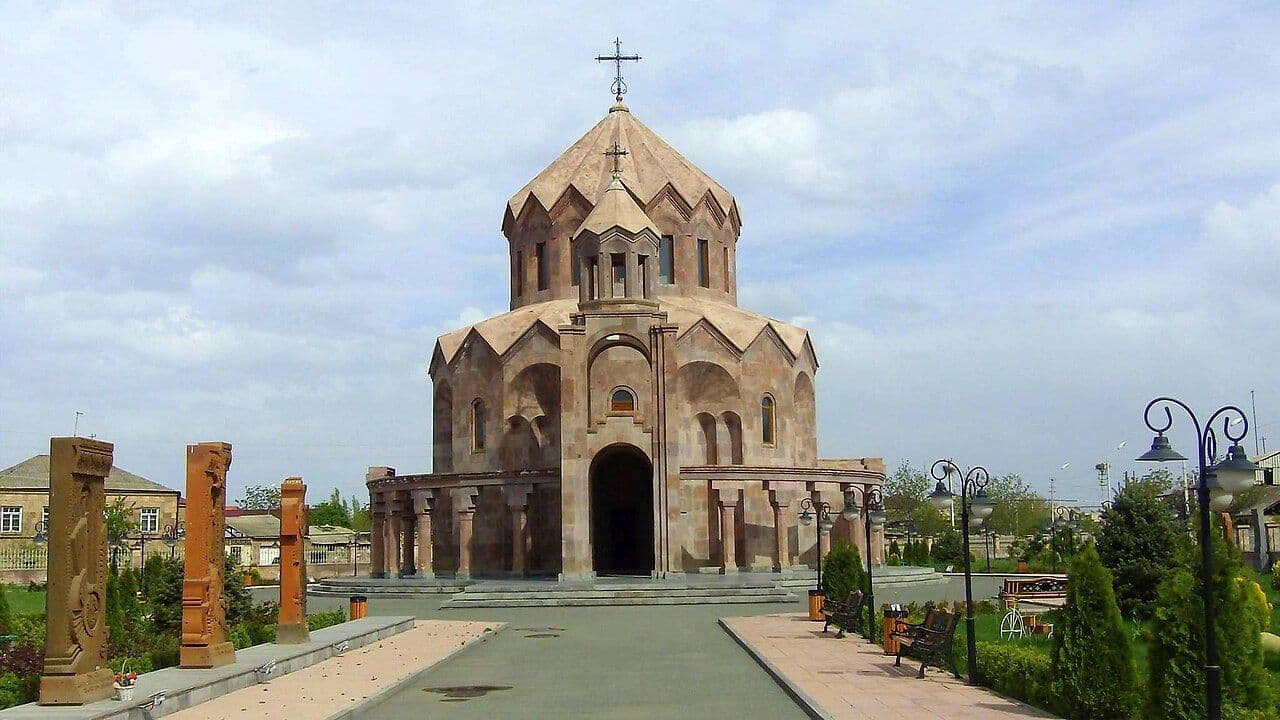
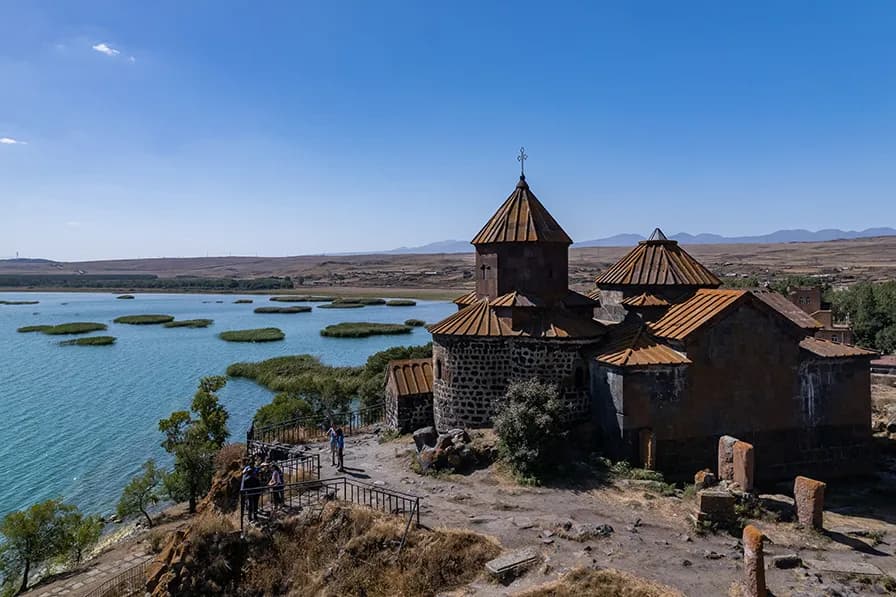
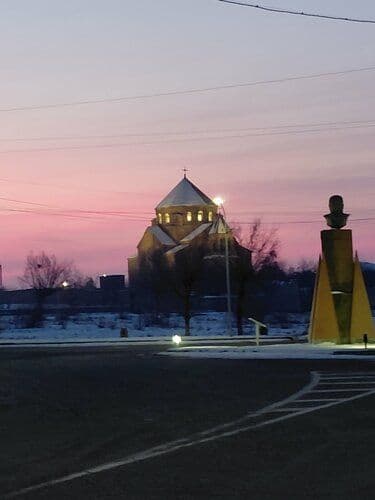
Nearby, the Surp Stepanos Church stands as the oldest of the churches in the town, dating back to the 10th century. Its presence is a reminder of the continuity of faith in this region. Then there is the 13th-century tomb, a silent witness to the lives that were lived and buried in this soil. The 19th-century Saint Gevorg Church adds another layer to this stratigraphy of history. You can also find the Church of St. Anna in the vicinity. Each structure tells a different part of the same story: that this place has endured. There is also a circular hilltop tower just outside the town. Its purpose and date are unknown. It stands on a hill, watching the plain. It is a mystery that does not need solving. It just is.
The Work of Bread
In Aghavnatun, work is something you do with your hands. The Aghavnatun Traditional Hospitality Center offers master classes in the preparation of losh, the traditional Armenian flatbread. This is a skill. You learn to bake the bread in a tonir, a traditional wood-fired oven. The heat is intense. The smoke is real. The bread comes out with a char that cannot be replicated by any modern appliance.
The center also serves barbecue as part of these experiences. The food here is tied to the land. It is slow. It requires time. If you are a digital nomad, this is a lesson in pacing. You cannot rush the bread. You cannot rush the fire. You must wait for the oven to reach the right temperature. You must wait for the dough to rise. This is the rhythm of the place. It is a rhythm that will either ground you or frustrate you. There is no middle ground. The tonir-baked bread is noted as a necessity for local losh baking in the region. It is the foundation. Without it, the meal is incomplete.
The Rules of Transit
Getting to Aghavnatun is simple, but it requires a decision. You have two main options from Yerevan. The first is the bus. It is the cheaper option, costing around $4. It is also the slower option, though "slower" is relative to the 42-minute drive. The second option is the taxi. It costs up to $7. It is faster. It is more direct. You choose based on your budget and your patience.
There is no specific railway line serving Aghavnatun directly. The South Caucasus Railway is the main railway company of Armenia, but it does not stop here. If you want to use the train, you must go to Armavir. Armavir is a nearby hub with seven travel options, including train, bus, and car. It is a logical stop if you are coming from further away. But for the direct route from Yerevan, the road is the only way. The distance is 31 km. The time is 42 minutes. The cost is between $4 and $7. These are the numbers. They do not change. You plan around them. You do not fight them.
The Weight of the Plain
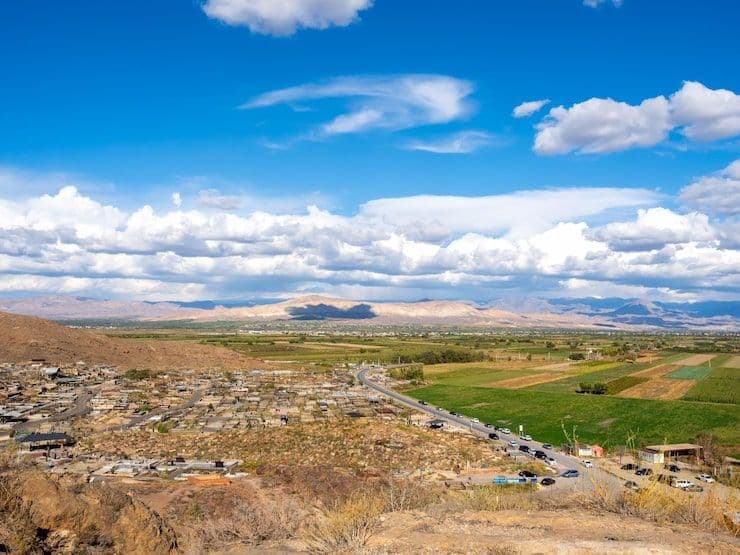
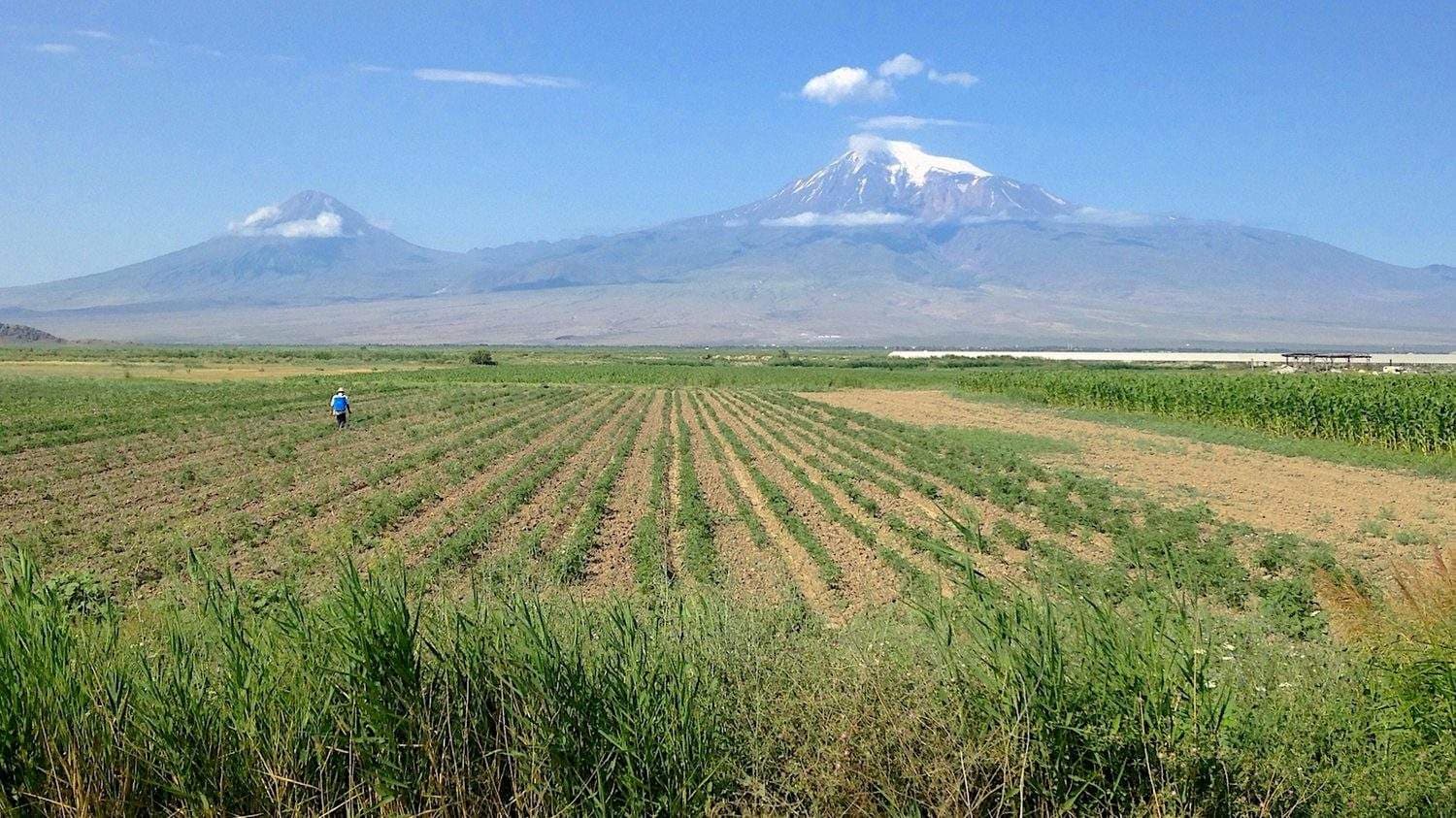
Aghavnatun is located in Armavir Province, near the Turkish border. The Ararat Plain is fertile. It is flat. It is open. In autumn, the light is different. It is lower. It stretches across the fields. The temperature can still reach 30°C, but the nights are cooler. The air is dry. This is the season for the harvest. It is the season for the fields to be worked.
The village is a place where people live. The postal code is 1113. The coordinates are 40.23N, 44.25E. These are facts. They are cold. They are precise. But they do not tell you what it feels like to stand in the field at dusk. They do not tell you the sound of the wind in the ruins. They do not tell you the smell of the wood smoke from the tonir. You have to be there to know. You have to be there to feel the weight of the silence.
When to Go
The next major holiday is New Year's Eve, on 2026-12-31. This is in about three months. It will be cold. The fields will be bare. The ruins will be stark. It is a good time for those who want to see the bones of the place without the distraction of the harvest. New Year's Day follows on 2027-01-01 and 2027-01-02. The crowds will be thin. The prices will be stable.
Christmas and Epiphany Day fall on 2027-01-06. This is a religious holiday. The churches will be important. The Surp Stepanos Church will be central to the observances. Army Day is on 2027-01-28. Women's Day is on 2027-03-08. These dates are fixed. They do not move. You plan around them.
For the digital nomad, the best time is autumn. The light is good. The temperature is manageable. The fields are active. It is a time of work. It is a time of result. You come here to work. You come here to see the work of the land. You stay for as long as you need to. There is no pressure to leave. There is no pressure to stay. You just are.
Practical Questions
Is there reliable internet in Aghavnatun? There is no specific data on internet speeds in the village. It is a rural area. You should assume that connectivity will be slower than in Yerevan. Bring offline work. Bring patience. The connection is part of the experience.
Can I get a visa for Armenia as a nomad? Armenia has a visa-free regime for many nationalities. However, specific digital nomad visas were not confirmed in the sources. You should check the current regulations with the Armenian embassy before you travel. Do not assume. Verify. The rules are the rules.
How much does it cost to stay? There are no specific hotel prices confirmed for Aghavnatun. The cost of living is lower than in Yerevan. You can expect to pay less for food and lodging. The exact price depends on the season and your choices. Budget accordingly. The cost of the bus is $4. The cost of the taxi is $7. The rest is up to you.