Laclo offers hiking and rural exploration in Manatuto, not surf or rails. Here is the honest logistics for visiting this inland village 31km from Dili.
The Reality Check: No Surf, No Rails
Let’s cut through the noise immediately. If you are looking for a surf break, you are in the wrong place. While some online surf reports list a "Laclo" spot in Manatuto, the administrative post is firmly inland, situated in the dry, hilly interior of East Timor. The water is nowhere near. Similarly, do not expect a train. Timor-Leste has no operating railways; the master plans for lines like Dili–Betano are still on paper, and none serve this part of Manatuto.
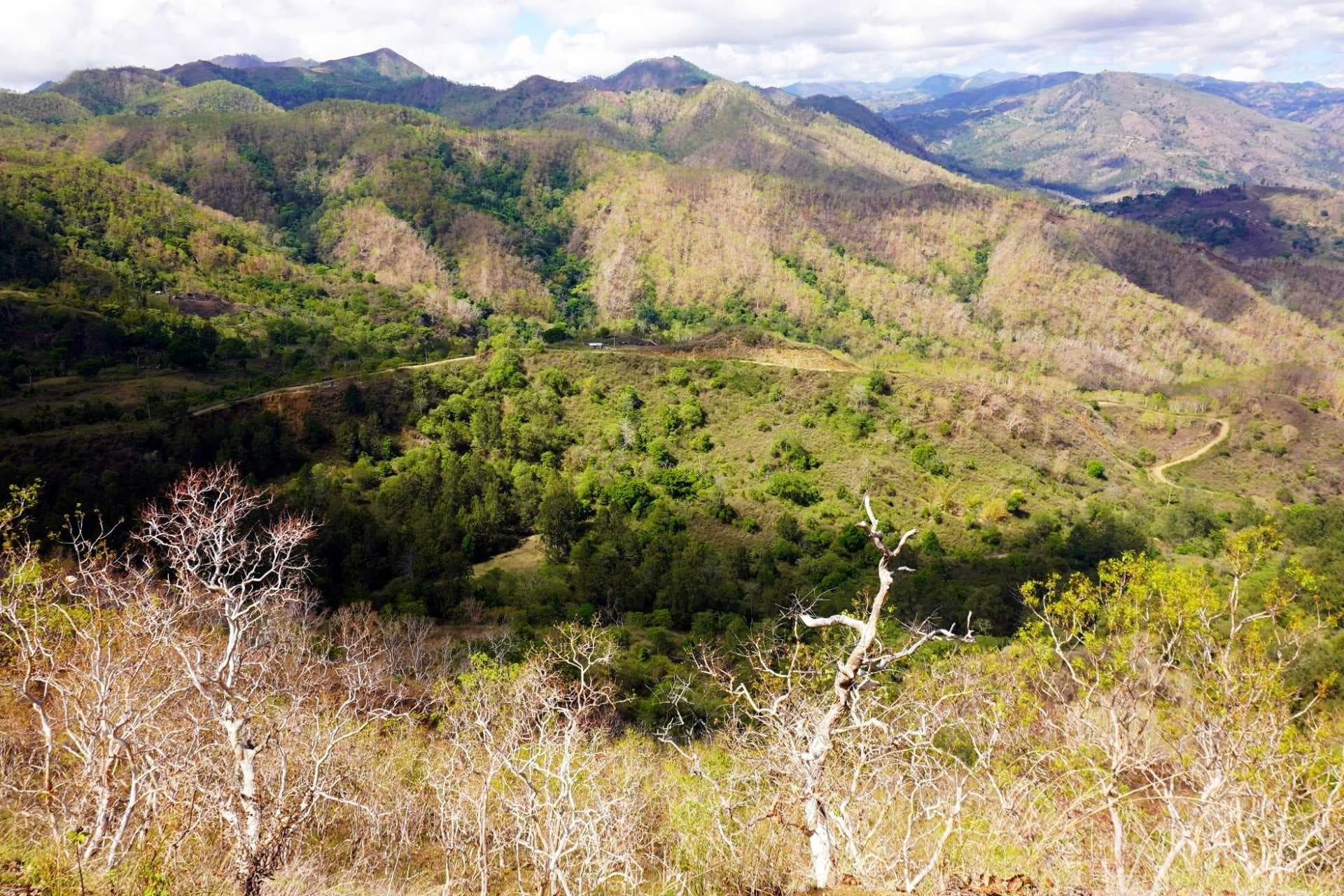
So, what is there? Adventure in Laclo is about the landscape itself. It is a rugged, agricultural region defined by its distance from the coast and its sparse infrastructure. The primary "sport" here is hiking and overland travel through the interior highlands. You are coming for the physical act of moving through a place that is largely unmapped by international tourists. The terrain is dry scrubland and steep hills, typical of the interior. The challenge is the access, not the activity.
Hiking the Interior Highs
The core adventure in Laclo is walking. The administrative post, with its seat at Uma Caduac, sits in a region that is largely rural and undeveloped. There are no marked trails, no trailheads with signage, and no huts. You are walking through a working agricultural landscape. The population is small—just over 7,000 people according to the 2004 census—which means you will see very few other visitors.
The best approach is to treat the area around the main village, Laclo (also known as Lacumesac), as your base. From there, you can head into the surrounding hills. The views are open, dry, and vast, lacking the lush green jungles found along the coast. You will see traditional weaving and handicrafts in the local market area, which is a cultural highlight rather than a sport, but it adds to the immersion. The physical exertion comes from the heat and the uneven ground. Expect dusty tracks, not paved paths. It is a slow-burn adventure. You are measuring progress in kilometers of dirt road and hours of walking, not in heart-rate spikes.
Getting There: The Road from Dili
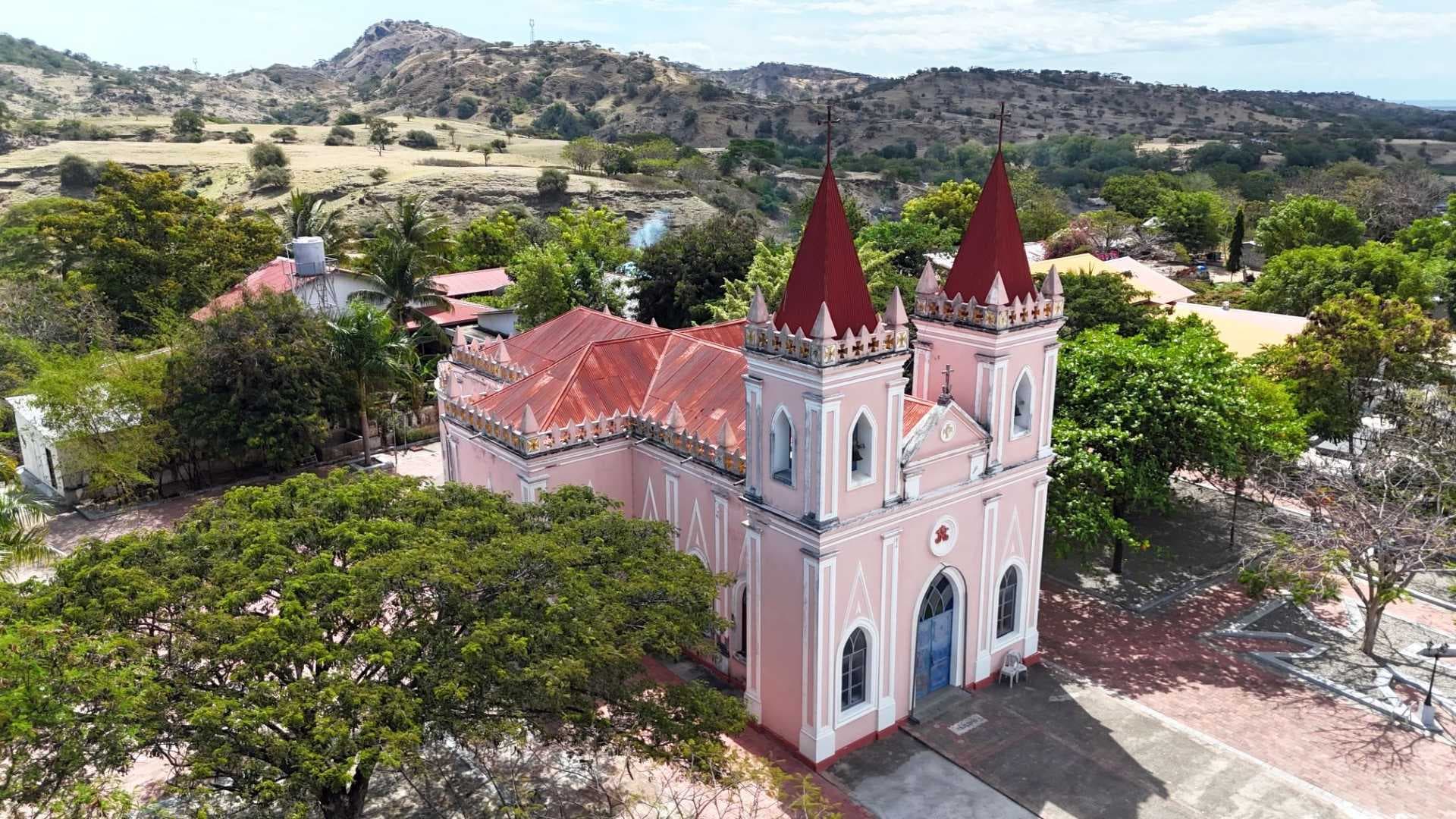
Logistics are the biggest hurdle. Laclo is approximately 31 km east of Dili, the capital. Do not expect a direct bus service. Public transport in East Timor is informal, often relying on shared minibuses or "bemos" that run on schedules dictated by passenger demand rather than timetables. You will likely need to travel from Dili to Manatuto, the district capital, and then arrange a local connection or a private vehicle to Laclo.
The roads are a mix of paved asphalt and unpaved dirt. The condition varies significantly with the season. In the dry season, the dirt roads are dusty but passable. In the wet season, they can become muddy and difficult for standard vehicles. If you are driving yourself, a 4x4 is strongly recommended for the final stretch. Fuel stations are sparse. The last reliable fuel stop before entering the deeper interior is typically in Dili or Manatuto. Plan your fuel accordingly. Do not run on fumes in the interior. The journey from Dili to Laclo is a proper drive that requires attention to road conditions and local traffic patterns.
Practical Logistics & Money
There is no formal tourist infrastructure in Laclo. You will not find hotel booking sites with reviews for this specific village. Accommodation is basic, often homestays or simple guesthouses run by locals. Prices are low, but availability is not guaranteed. You need to arrange lodging in advance if you want certainty, or be prepared to sleep in a tent if you are hiking.
Money is cash only. ATMs are non-existent in Laclo. You will need to withdraw cash in Dili before you leave. The local currency is the US Dollar, which is widely accepted. Carry small bills, as change can be hard to find in rural areas. Mobile phone coverage is patchy. You may lose signal in the hills. Download offline maps before you go. The administrative center, Uma Caduac, is the most likely place to find any form of local services, but do not expect a bank or a pharmacy. This is a remote area. You are on your own.
When to Go & Local Context
The best time to visit is during the dry season, which runs from May to October. The weather is hot and dry, making hiking and driving more manageable. The wet season, from November to April, brings heavy rains that can make roads impassable and hiking difficult.
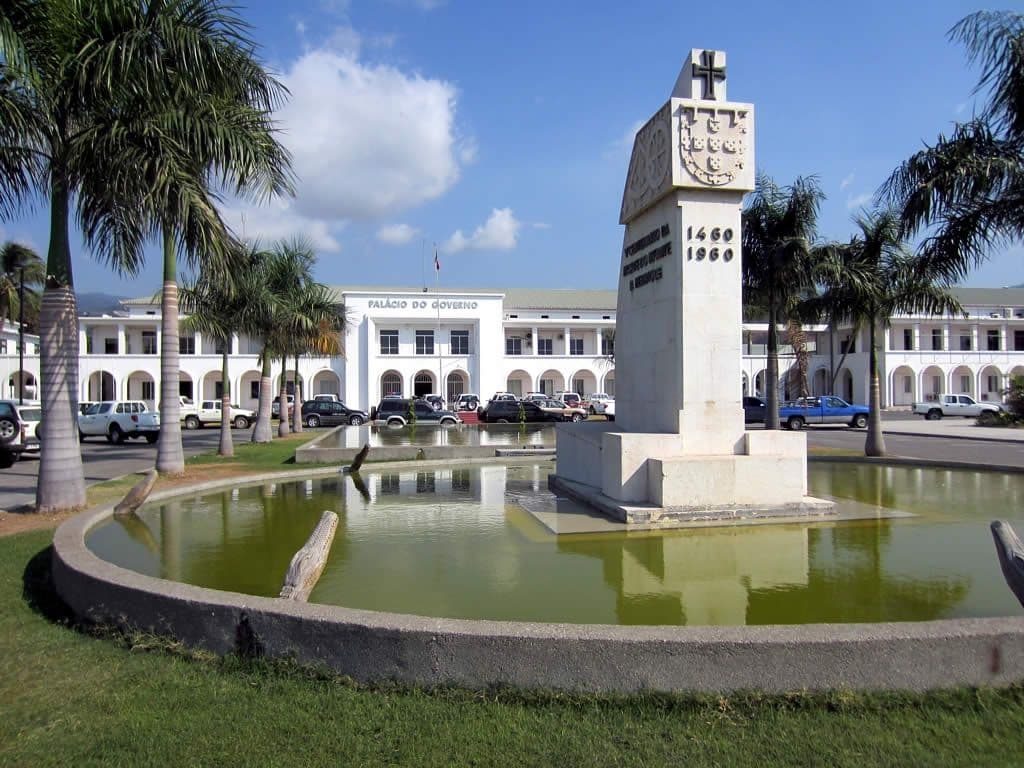
In the near future, be aware of the holiday calendar. All Saints' Day is on November 1, 2026, and All Souls' Day is on November 2. These are significant religious holidays in East Timor, a predominantly Catholic country. Expect higher demand for transport and accommodation if you are traveling during this period. It is best to book early if you plan to be in the region around these dates.
The local culture is centered around community and tradition. The weaving and handicrafts are a vital part of local life, far more than mere souvenirs. When you visit, be respectful. Dress modestly, especially when entering villages. Learn a few basic phrases in Tetum, the national language, or Portuguese. The people are generally welcoming, but they are not accustomed to large numbers of tourists. Your presence is a novelty. Treat it with respect.
FAQ
Do I need a visa to visit Laclo? Yes, you need a visa for Timor-Leste. Most nationalities can get a visa on arrival in Dili for around $30–$50, valid for 30 days. Ensure your passport is valid for at least six months beyond your entry date.
Is Laclo safe for solo travelers? Generally, yes, but it is remote. The main risks are logistical: getting lost, vehicle breakdowns, or medical emergencies. There is no hospital in Laclo. The nearest major medical facility is in Dili or Manatuto. Carry a first-aid kit and know how to reach help.
Can I find food in Laclo? Yes, but options are limited. You will find local rice, fish, and vegetables in the village. Restaurants are basic. If you have specific dietary requirements, bring your own food. The local cuisine is simple and fresh, but not diverse.