Skip the resort fees. In Chewelah, Washington, the adventure is in the dirt, the snow, and the silence you buy with your own sweat.
You don’t come to Chewelah to be entertained. You come here to work. The town sits in Stevens County, Washington, a place where the landscape doesn’t care about your Instagram followers or your credit score. It cares about traction. It cares about breath. If you are looking for a zip-line park with a gift shop, turn your car around. If you want to strip away the noise of the modern world and replace it with the rhythmic crunch of snow or the grind of gravel under your tires, you are in the right place. This isn’t a vacation. It’s a recalibration.
The Winter Grind: Frater Lake
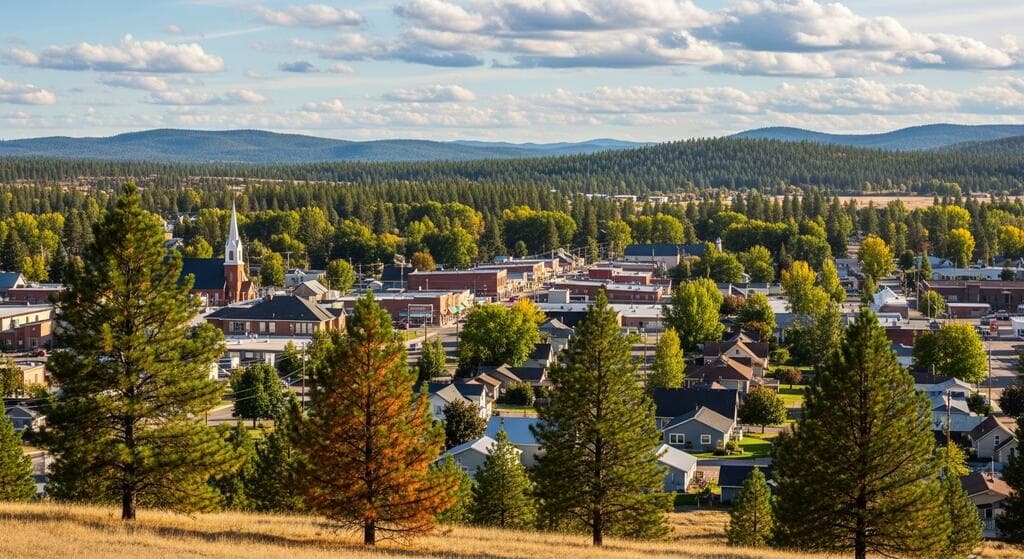
Winter in Chewelah is a discipline. From December through March, the town transforms into a non-motorized SnoPark, a sanctuary for those who understand that movement should be earned, not purchased. The epicenter of this quiet rebellion is Frater Lake. This is a vast, groomed trail system where the only engine is your body.
Nordic skiing here is stripped back to its essentials. There are no luxury lodges waiting to sanitize your experience. You strap into your skis, step out onto the frozen ground, and engage with the terrain. The trails loop through the snow-covered pines, offering a meditative, punishing rhythm. You glide, you push, you breathe. The air is thin and sharp, biting at your lungs in a way that reminds you you’re alive. It is a physical argument against the sedentary comfort of city life.
The versatility of Frater Lake extends beyond just skiing. The trail system is designed for year-round use, but in winter, it is a masterclass in solitude. You might see a handful of locals moving through the trees, silent and efficient. There is no chatter. No music. Just the sound of skis cutting through packed snow and the distant caw of a crow. This is the last honest corner of the outdoors. It doesn’t perform for you. It just exists. And if you can keep up, it lets you in.
Year-Round Resistance: Lake Leo Trail
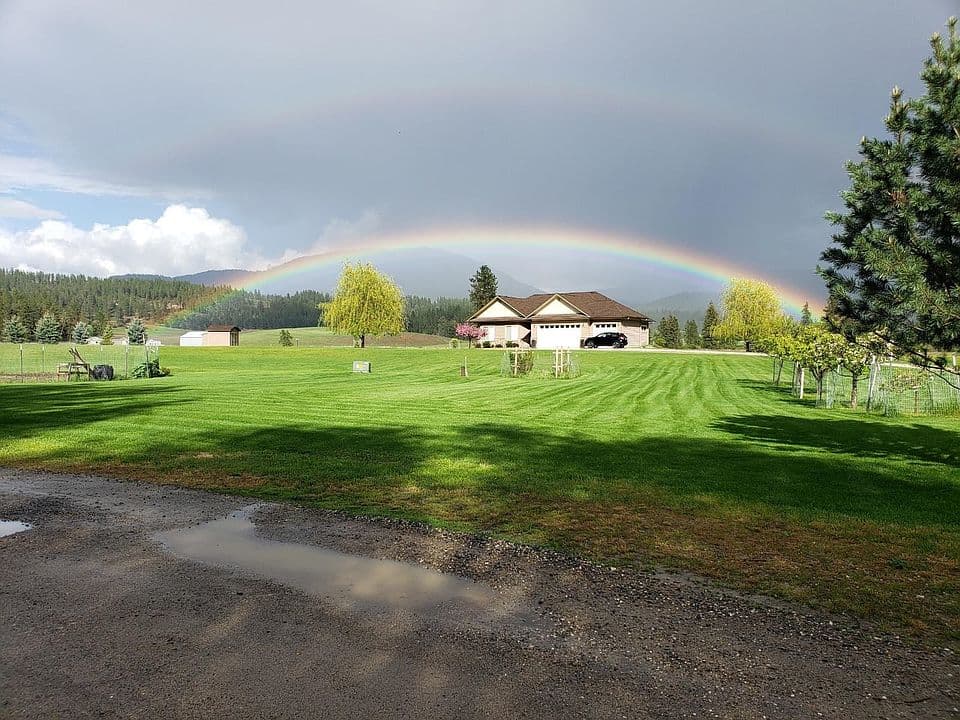
When the snow melts, the work doesn’t stop. The Lake Leo Trail, connected to the Frater Lake system, ensures that the ground remains a constant challenge. This trail is a rugged interface between you and the earth.
During the summer months, the trail system at Lake Leo and Frater Lake becomes a test of endurance for hikers, runners, and mountain bikers. The terrain is uneven, rooted, and unforgiving. It demands attention. You cannot zone out. You cannot scroll through your phone while navigating the roots and rocks. You have to be present, or you will fall. This forced mindfulness is the point. The trail strips away your digital distractions and leaves you with the raw mechanics of movement.
The light here is different in the summer. It filters through the dense canopy of the Colville National Forest region, dappled and shifting. The heat radiates off the ground, mixing with the scent of pine resin and damp earth. It is a sensory overload that grounds you in the immediate moment. Whether you are running, biking, or hiking, the Lake Leo Trail offers a continuous loop of resistance. It doesn’t give you anything. It takes your energy and asks for more. That is the deal.
The Reality of Access
Chewelah resists accidental discovery. It is absent from the main tourist circuit. No Amtrak station drops you off at your doorstep. There are no shuttle services waiting to whisk you away to the trailhead. Getting here is part of the adventure. It requires intent.
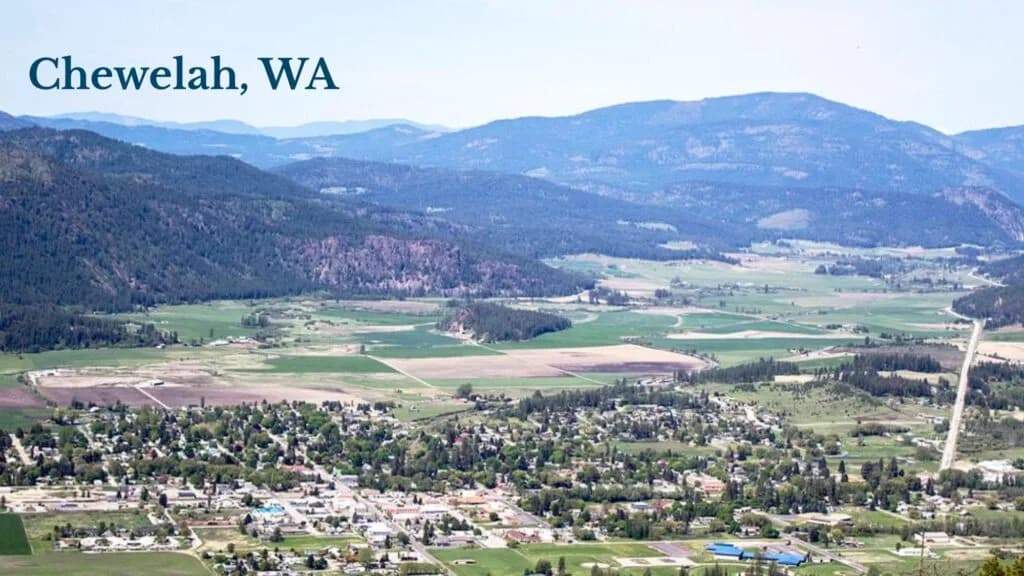
You arrive by car, navigating the highways of eastern Washington to reach Stevens County. The town is small, quiet, and largely ignored by the travel industry. This is a feature, not a bug. The lack of infrastructure means you are responsible for your own logistics. You bring your own gear. You bring your own food. You bring your own water. There is no concierge to solve your problems. If you forget your gloves, you freeze. If you run out of fuel, you push your bike.
This isolation is what protects the experience. It filters out the casual tourists who want convenience. It leaves only those who are willing to put in the effort. The drive to Chewelah is a transition zone. As you leave the denser populations behind, the landscape opens up, the pace slows, and the noise fades. By the time you reach the trailheads at Frater Lake or Lake Leo, you have already begun the process of shedding your urban identity. You are no longer a consumer. You are a participant.
Eat What You Can Carry
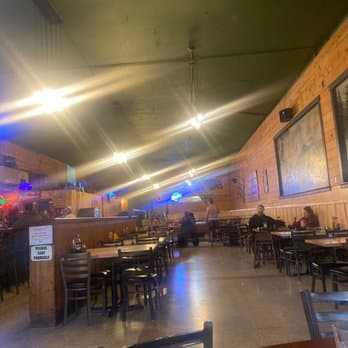
There are no famous restaurants in Chewelah. There are no Michelin-starred dinners waiting to reward your exertion. The local food scene serves as a necessity. You eat to fuel the work.
In a town this size, dining options are limited to practical sustenance. You will find local diners and small eateries that serve straightforward, hearty meals. Think eggs, bacon, coffee, and burgers. These are not culinary experiences designed for review sites. They are fuel. They are cheap, filling, and honest. They taste like salt and grease and effort.
If you are staying for more than a day, you will likely do your own cooking. The local grocery stores are stocked with the basics. You buy your own vegetables, your own meat, your own bread. You chop, you cook, you clean. This is part of the rhythm of life here. It connects you to the basic act of survival. In a world of delivery apps and ghost kitchens, cooking your own meal in a rented cabin or hotel room is a radical act of self-reliance. It reminds you that you are capable of taking care of yourself.
Timing Your Exit
The best time to come to Chewelah depends on what kind of pain you are seeking. For Nordic skiing, the window is December through March. The snow is reliable, the trails are groomed, and the crowds are non-existent. This is the prime season for the winter grind.
However, be aware of the national holidays. Independence Day, observed on July 3 and July 4, 2026, brings a surge of domestic travelers. While Chewelah is not a typical holiday destination, the increased traffic on the highways and the slight uptick in local activity can disrupt the solitude you are seeking. If you want true isolation, avoid the July 4th weekend. Labor Day in September and Thanksgiving in November are quieter, but the weather can be unpredictable. Winter is the most consistent, but also the most demanding.
Who is this for? It is for the solo traveler who wants to disappear. It is for the couple who wants to communicate without words. It is for the family that wants to teach its children that fun is not something you buy, but something you make. It is not for the luxury seeker. It is not for the comfort addict.
Stay for two or three days. Long enough to break in your gear. Short enough to keep the hunger for more. Chewelah does not hold you. It releases you. You leave with sore muscles, dirty clothes, and a clear head. You leave having remembered who you are when the screens are off and the world is quiet. That is the only souvenir that matters.
FAQ
Do I need to book trails in advance? No. The trails at Frater Lake and Lake Leo are public recreational areas. There are no reservations required. First come, first served. But in winter, the SnoPark status means the trails are groomed daily. Arrive early to avoid any rare congestion.
Is there public transit to the trailheads? No. There is no public transportation serving Chewelah or the trail systems. You must have your own vehicle or arrange private transport. The town is car-dependent. Plan accordingly.
What gear should I bring? For winter, bring your own Nordic skis, poles, and boots if you have them. Rentals may be limited or unavailable. Dress in layers. The weather can shift quickly. For summer, bring sturdy footwear, water, and sun protection. The trails are rugged and exposed.