Bernissart has no five-star hotels. It has dinosaur bones, closed rails, and a strict audit of expectations. Here is how to stay and move.
The standard luxury travel itinerary fails here. Bernissart, Belgium, is a municipality of approximately 11,800 residents in the province of Hainaut. International hospitality chains do not operate here. Five-star properties are absent. There are no rooftop bars with panoramic views of the skyline. The skyline is flat. The buildings are low. The town exists primarily as the custodian of a paleontological anomaly: the discovery of Iguanodon skeletons in the 19th-century Collière coal mine. You come for the bones. You stay in the region. You manage your expectations accordingly.
The Accommodation Audit
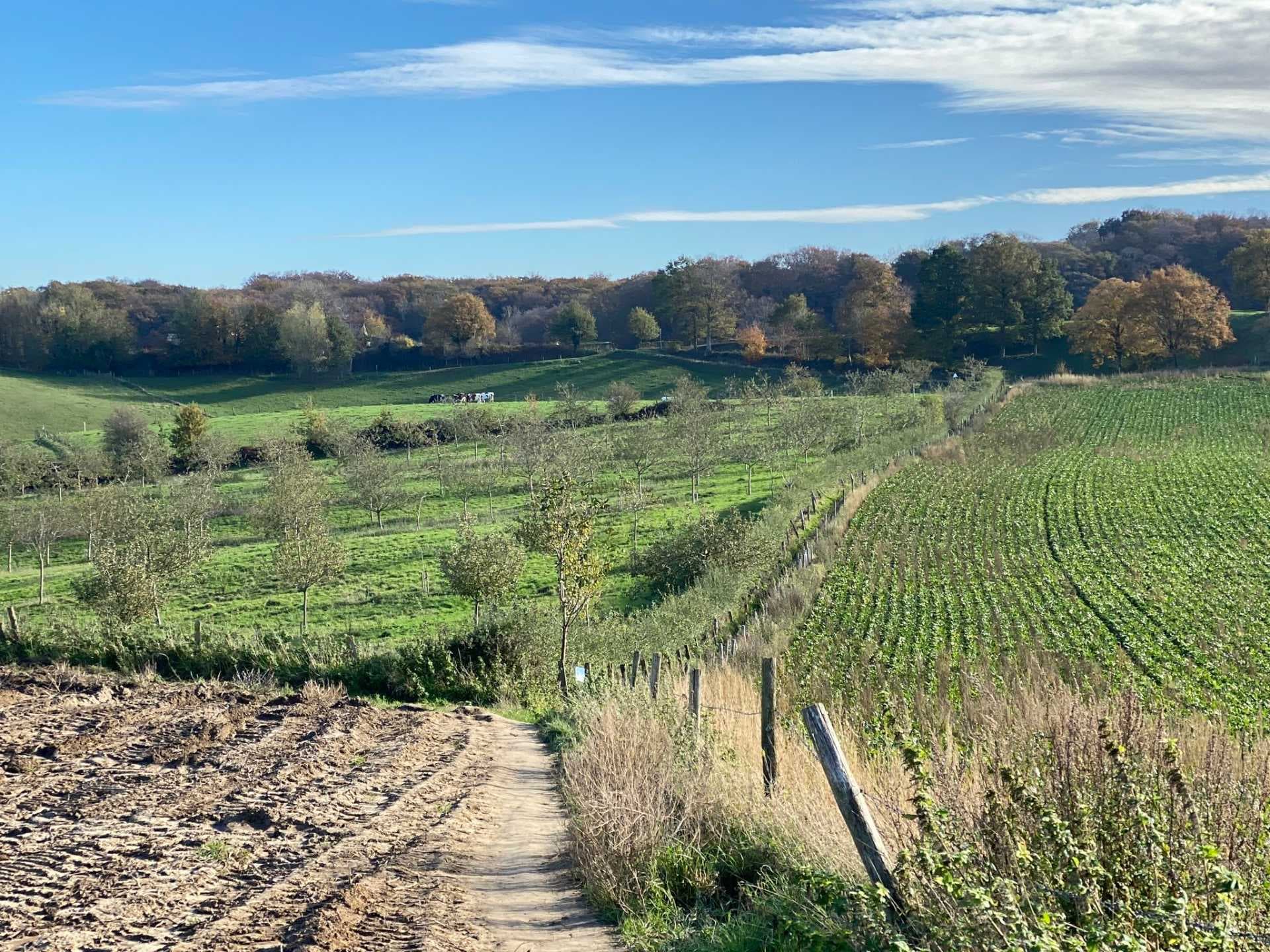
Luxury in Bernissart is a theoretical concept. The accommodation landscape consists of rural guesthouses (chambres d’hôtes) and budget-friendly bed and breakfasts. These are functional units. They offer a bed, a bathroom, and proximity to the museum. They do not offer concierge services, valet parking, or Michelin-starred dining.
The nightly rate for these establishments typically ranges between €60 and €100. This reflects the market rate for a small Belgian municipality. If your requirement is a five-star experience—thread count above 300, turndown service, a lobby that impresses—you must exit Bernissart.
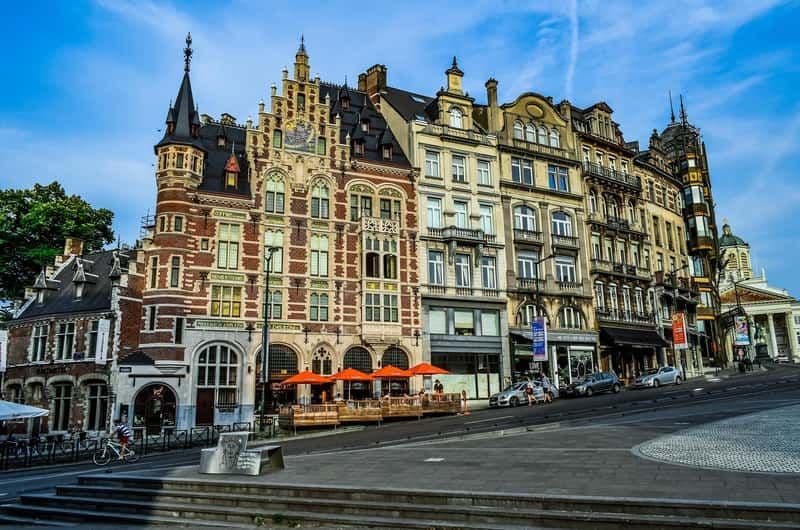
The nearest viable alternatives for high-end lodging are Mons (Bergen), Tournai, or Brussels. Mons is approximately 15 to 20 minutes away by car or bus. It offers a broader selection of hotels, including some four-star options that approach the aesthetic standards of modern European comfort. Brussels, roughly one hour away by train from Mons, provides the full spectrum of international luxury brands. However, this adds significant transit time to a day dedicated to Bernissart.
If you remain in Bernissart, you accept the trade-off. You gain exclusive access to the Musée de l'Iguanodon without the congestion of a metropolitan center. You lose the amenities of a luxury resort. This is a binary choice. Plan your logistics around the constraint.
The Primary Asset: Musée de l'Iguanodon
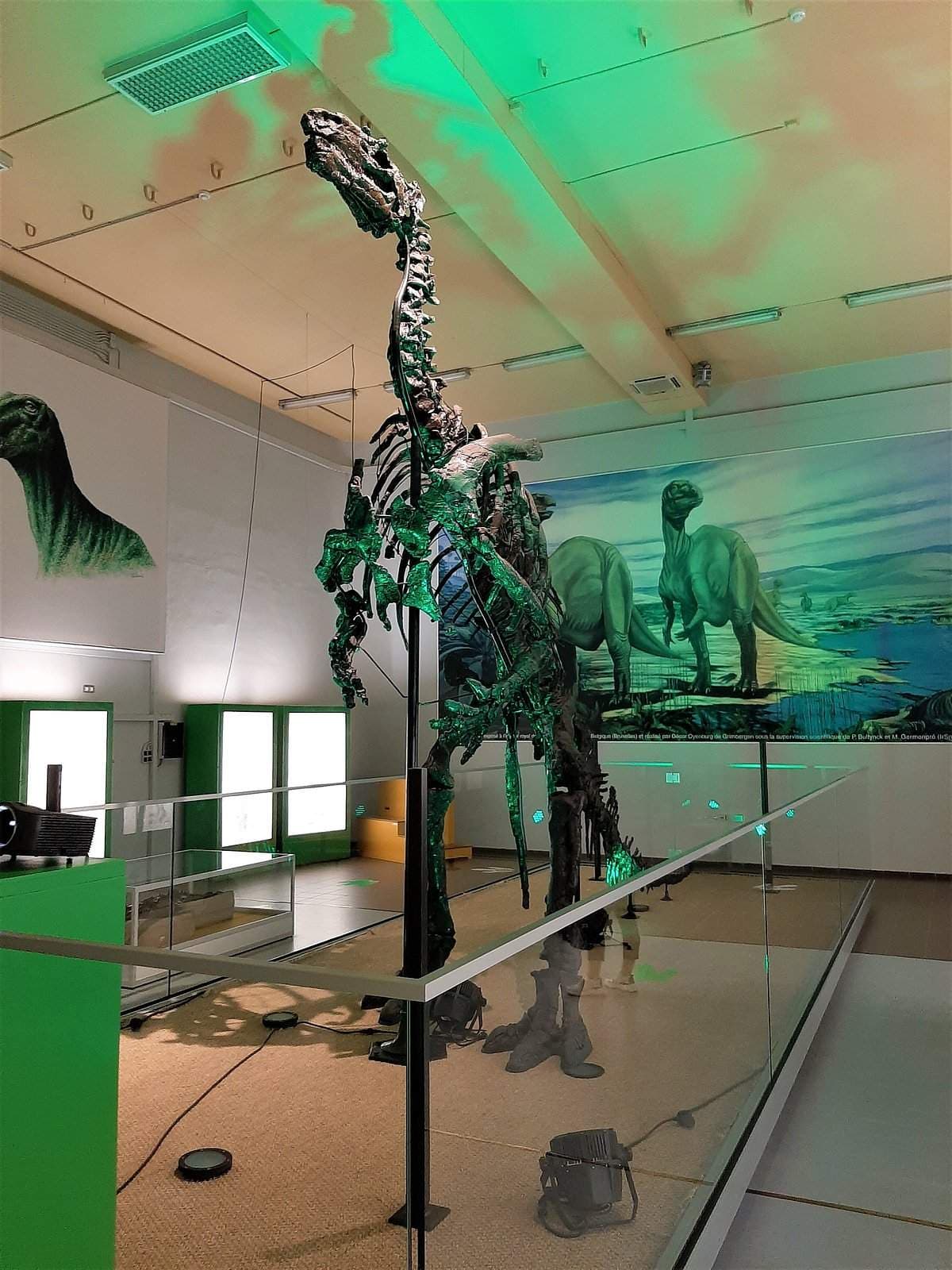
The town’s justification for existence is geological. The Musée de l'Iguanodon houses the history and remnants of the fossil discovery that occurred in the Collière coal mine between 1784 and 1878. The exhibits are presented in French and Dutch. English signage is limited. This is a detail that matters for non-local speakers. Bring a translation tool or rely on visual interpretation.
The museum is compact. It is efficient. It focuses on the narrative of the excavation and the scientific significance of the finds. Nine of the original twenty-nine skeletons reside in the Royal Belgian Institute of Natural Sciences in Brussels. Bernissart holds the context and the remaining artifacts. The atmosphere is quiet. The lighting is functional. The museum serves as a repository of data. For the specialist, it is essential. For the casual tourist, it is a concise stop. Allow one to two hours. Do not linger expecting interactive entertainment.
Transit Realities
Bernissart does not have an active railway station. Station Bernissart, formerly located on line 80 (Blaton – Bernissart), is closed. Passenger rail service is unavailable. This is a critical logistical fact. You cannot arrive by direct train.
Travelers must utilize nearby hubs. Mons (Bergen) is the primary rail access point. From Brussels Central, the train to Mons takes approximately one hour. From Mons, you must transfer to a bus or taxi to reach Bernissart. The journey takes 15 to 20 minutes. Bus schedules are managed by TEC (Transport Express Commun). Verify current timetables before departure. Connections may be infrequent during off-peak hours. Relying on public transport requires precision. Missing a bus means waiting. In a small municipality, taxis are not abundant. Book in advance or have a backup plan.
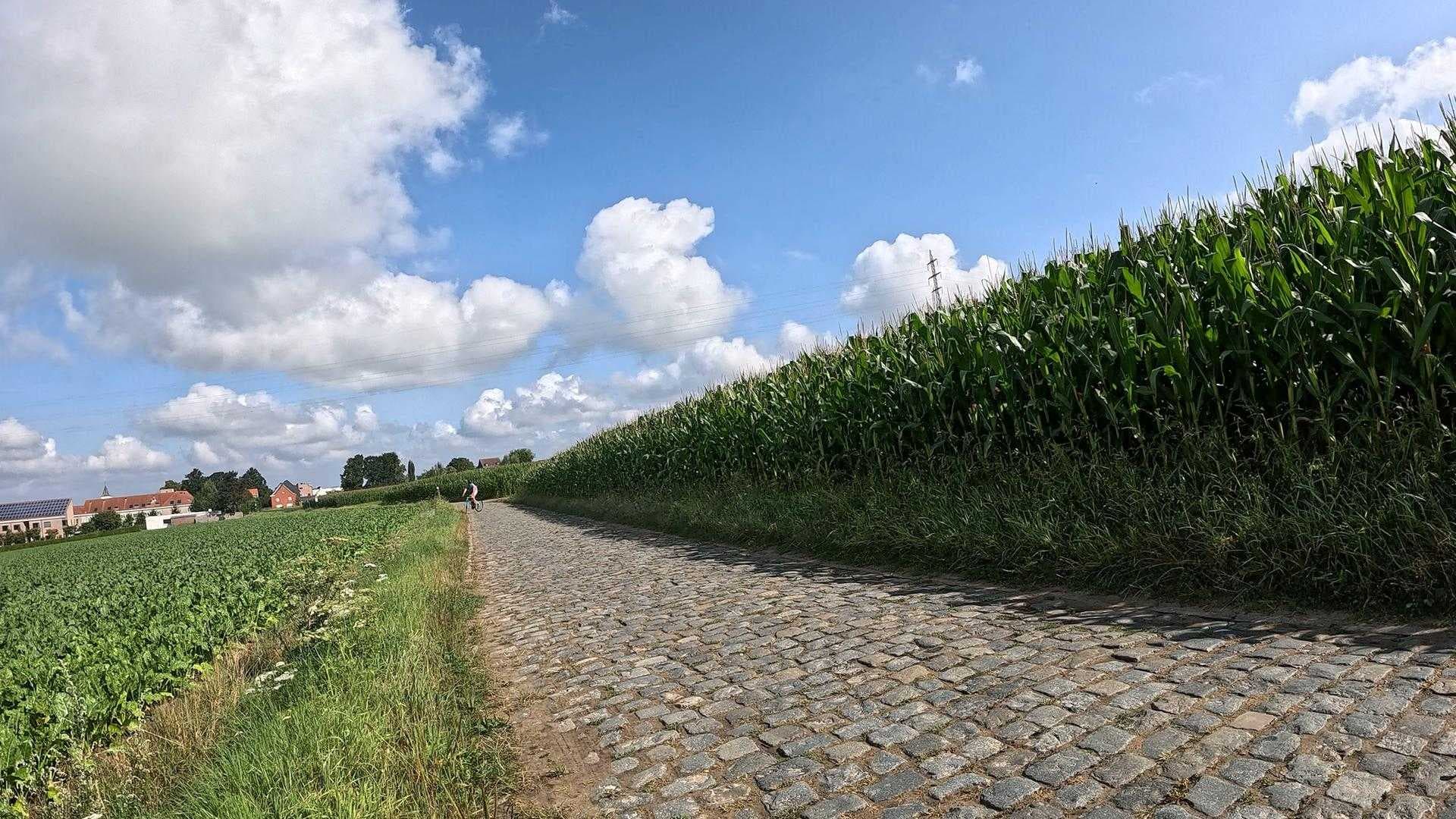
Driving is the most efficient option. Parking in Bernissart is straightforward. The roads are narrow but navigable. The lack of heavy traffic is an advantage. You park close to the museum. You walk. You inspect. You leave. The friction of transit is low if you drive. High if you depend on buses.
Dining and Local Context
There is no unique culinary identity tied exclusively to Bernissart. The town shares the gastronomic profile of Hainaut and Wallonia. You will not find a signature dish invented in Bernissart. You will find regional staples.
Expect Carbonade Wallonne, a beef stew cooked in beer, which is the traditional preparation in this region. Waterzooi, a creamy chicken or fish stew, is also prevalent. Frites are ubiquitous. Quality varies. Look for stands with a deep fryer and a queue. Moules-frites is a safe bet. The Cervelas de Bouvignes, a blood sausage from the nearby city of Charleroi, may appear in local markets. Gaufres de Liège are available in bakeries, despite their eastern origin.
Dining in Bernissart is informal. Restaurants are small. Service is direct. Prices are moderate. A meal typically costs between €15 and €25 per person. The food provides sustenance. If you require a multi-course tasting menu, you must travel to Mons or Brussels. In Bernissart, you eat to refuel. You do not eat for prestige.
Timing and Practicalities
The optimal window for visiting Bernissart is spring to autumn (May to October). The weather is mild. Outdoor exploration is comfortable. Winter is damp. The gray skies amplify the industrial heritage of the coal mining past. It is atmospheric but cold.
Summer holidays see higher demand for accommodation. Expect potential surge pricing in the wider Hainaut region. Book early. Major national holidays such as Assumption Day and All Saints’ Day may affect local availability. Focus on the immediate horizon.
This destination suits solo travelers, historians, and those who prefer quiet. It is not ideal for families seeking amusement parks or couples seeking romance. It is a place of observation. Stay for one night. Visit the museum. Eat a simple meal. Leave. The value is in the specificity of the site, not the breadth of the amenities.
FAQ
Is there a direct train to Bernissart? No. The station is closed. You must take a train to Mons or Tournai and transfer to a bus or taxi.
Are there luxury hotels in Bernissart? No. There are no five-star hotels. Accommodation consists of budget to mid-range guesthouses and B&Bs.
What language is spoken? French is the primary language. Dutch is also present due to federal requirements. English is limited outside of major tourist hubs.